






The Slow Fade of Sound
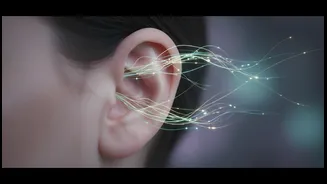
For most people, hearing loss isn't a sudden event. It’s a gradual decline that can be easy to ignore or dismiss as a normal part of ageing. You might find yourself turning up the volume on the television, or notice that you think people are mumbling
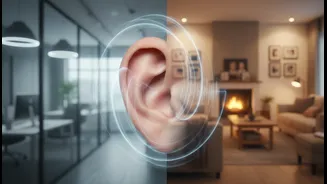
more often. Because it happens slowly, many adapt by subconsciously developing coping mechanisms. Perhaps you start watching people’s lips more intently or position yourself strategically in a room. These small adjustments can mask the underlying issue, allowing it to progress unnoticed until it starts to have a more significant impact on daily life.
From Hearing to Hiding
The path from having difficulty hearing to social isolation is paved with mental fatigue and frustration. Conversations that once felt effortless now require intense concentration. This increased cognitive load—the brain working overtime to fill in the gaps left by missing sounds—is exhausting. After a social gathering, you might feel unusually tired, not from the activity itself, but from the strain of trying to keep up. Over time, the effort can feel overwhelming, and avoiding social situations may seem like the easiest option. A dinner party, a family celebration, or a community gathering can transform from a source of joy into a source of anxiety, leading many to decline invitations and slowly withdraw from their social circles.
Recognising the Early Signs
Recognising hearing changes early is the key to preventing this slide into isolation. Beyond asking people to repeat themselves, there are other red flags to watch for in yourself or a loved one. Do you struggle to follow conversations in places with background noise, like a bustling café or market? Do you have trouble hearing on the phone? Do family members complain that the TV is too loud? Another common sign is finding yourself misunderstanding what people say or feeling frustrated during conversations with family. Noticing any of these patterns is a strong signal that it’s time to pay closer attention to your hearing health.
The Brain and Social Connection
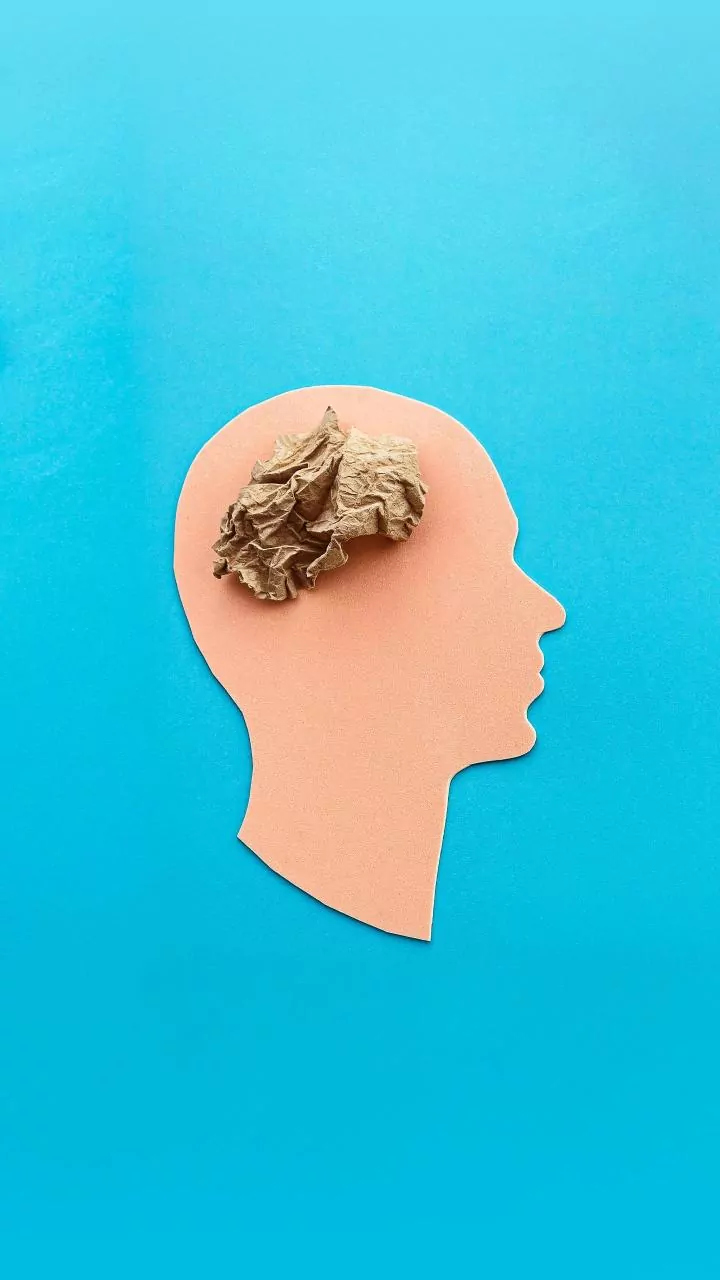
The consequences of untreated hearing loss extend beyond just social well-being. A growing body of research highlights a strong link between hearing loss and cognitive decline. When the brain is deprived of auditory stimulation, it can affect its structure and function over time. Moreover, the social isolation that often accompanies hearing loss is itself a significant risk factor for cognitive issues. Social engagement is crucial for brain health, providing the stimulation needed to keep it sharp. By treating hearing loss, you are not just improving your ability to communicate; you are taking a vital step in protecting your long-term cognitive health.
Taking Action and Reclaiming Connection
The good news is that hearing loss is a manageable condition, and taking action can dramatically improve your quality of life. The first and most important step is to get a professional hearing assessment. If a hearing loss is confirmed, modern hearing aids can be transformative. Studies show that people who use hearing aids report significant improvements in their social interactions, confidence, and overall well-being. These devices don't just amplify sound; they restore clarity, reduce listening effort, and make it easier to engage in the conversations that bind us to our communities, friends, and families. By addressing hearing changes proactively, you can ensure that you remain an active participant in your own life.