


The Science of Protein and Dough
In traditional pizza dough, the star protein is gluten. Formed when flour mixes with water, gluten creates an elastic network that traps gas from yeast, allowing the dough to rise and giving the final crust its signature chew. When you add other proteins,
like whey powder, pea protein, or even protein-rich flours, you change this delicate balance. These new proteins compete with gluten for water, which is essential for proper gluten development. If not balanced correctly, this can disrupt the dough's structure, leading to a denser, less elastic, and sometimes drier result. However, one exception is vital wheat gluten, which is pure, concentrated gluten. Adding it can actually strengthen the dough, making it more resilient and chewy, which is especially helpful when using low-protein flours.
Popular High-Protein Add-ins
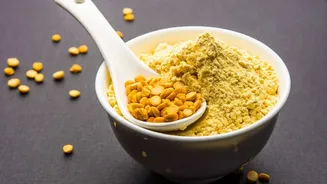
Several ingredients can boost your pizza's protein content, each with a different effect. Unflavoured whey or plant-based protein powders are a common choice, but they are highly absorbent and can make the dough dry if you don't increase the liquid in your recipe. Dairy products like Greek yogurt or blended cottage cheese are another popular method; they add both protein and moisture, creating a softer, more tender crust that often requires no yeast or rise time. High-protein flours like chickpea or almond flour are also used, but they create a very different end product. A chickpea flour crust, for instance, won't taste like traditional pizza and often has a texture more like a dense, earthy flatbread or a rigid pancake.
The Impact on Taste and Texture
Boosting protein is rarely a simple swap without consequences for flavour and mouthfeel. Using protein powders can sometimes introduce a chalky texture or a subtle, undesirable aftertaste, which is why choosing a finely milled, unflavoured variety is crucial. A crust made with Greek yogurt or cottage cheese may have a slight tang and a softer, more cake-like consistency than a classic chewy crust. Crusts made from chickpea flour are known for being sturdy and having a distinct nutty or earthy flavour that is delicious but not a direct substitute for a traditional crust. The final texture can also become dense or tough if the dough is overmixed or if the protein addition makes it too dry.
Key Adjustments for Home Bakers
If you want to experiment with high-protein pizza, a few adjustments are key to success. First, don't just swap flour for protein powder one-for-one. A good starting point is to replace about 25-30% of the flour with protein powder. You will almost always need to increase the amount of liquid in your recipe to compensate for how much moisture protein powder absorbs. Another essential tip is to par-bake the crust for a few minutes before adding toppings. This helps the structure set and prevents the centre from becoming soggy, which is a common issue with these modified doughs. Finally, be mindful of your toppings; overly wet sauces or vegetables can weigh down a delicate protein crust and make it gummy.