






The Grand Plan's First Stumble
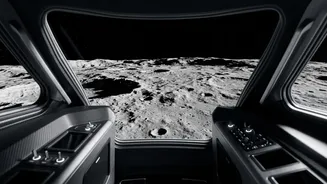
The Artemis program is NASA's multi-stage effort to establish a sustainable human presence on and around the Moon. Artemis I was an uncrewed success, and Artemis II successfully flew astronauts around the Moon in April 2026. Artemis III was originally
meant to be the historic return, landing astronauts on the lunar surface for the first time since 1972. However, NASA has since revised the plan. Artemis III is now slated as a critical test flight in Earth orbit, where astronauts will practice docking with the new generation of lunar landers. An internal NASA memo recently revealed that even this revised mission is running approximately three months behind schedule, pushing a best-case launch to the summer of 2027. This seemingly minor slip has major ripple effects, threatening the timeline for the first actual landing, now planned for Artemis IV in 2028.
The Billion-Dollar Dependencies
Unlike the Apollo era, where NASA built nearly everything in-house, the Artemis program relies heavily on commercial partners. This new model is designed to foster innovation and reduce costs, but it also introduces complex dependencies. The two biggest hurdles for Artemis III are the very vehicles it's meant to test: the Human Landing Systems (HLS). NASA has contracted two companies, SpaceX and Blue Origin, to develop landers capable of taking astronauts from lunar orbit down to the surface. Both are revolutionary, but neither is ready. The primary lander, a version of SpaceX's massive Starship, has faced engine issues in recent tests. An engine shutdown during its first orbital flight on September 28, 2026, has raised concerns about whether it's a one-off glitch or a deeper design issue that could take significant time to fix.
Dressing for a New Era
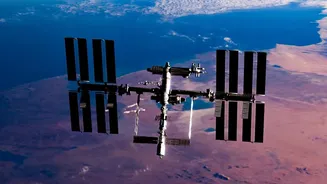
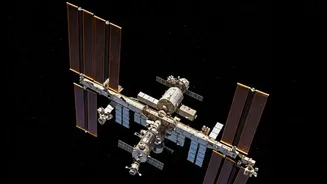
It’s not just the rockets. To walk on the Moon, astronauts need brand-new spacesuits. The suits used on the International Space Station are not designed for a planetary surface. Axiom Space was contracted to develop the new AxEMU spacesuits, which must offer more mobility and protection for the harsh lunar environment. While development is progressing and the suits have passed significant reviews, the schedule has little to no margin for error. Reports have even emerged that NASA and Axiom are working on a simplified 'sortie suit' to meet the initial 2028 landing deadline, deferring more advanced features for later missions. This highlights the immense pressure across the entire program, where every component, from rocket valves to spacesuit gloves, must come together perfectly and on time.
A Schedule with No Room to Breathe
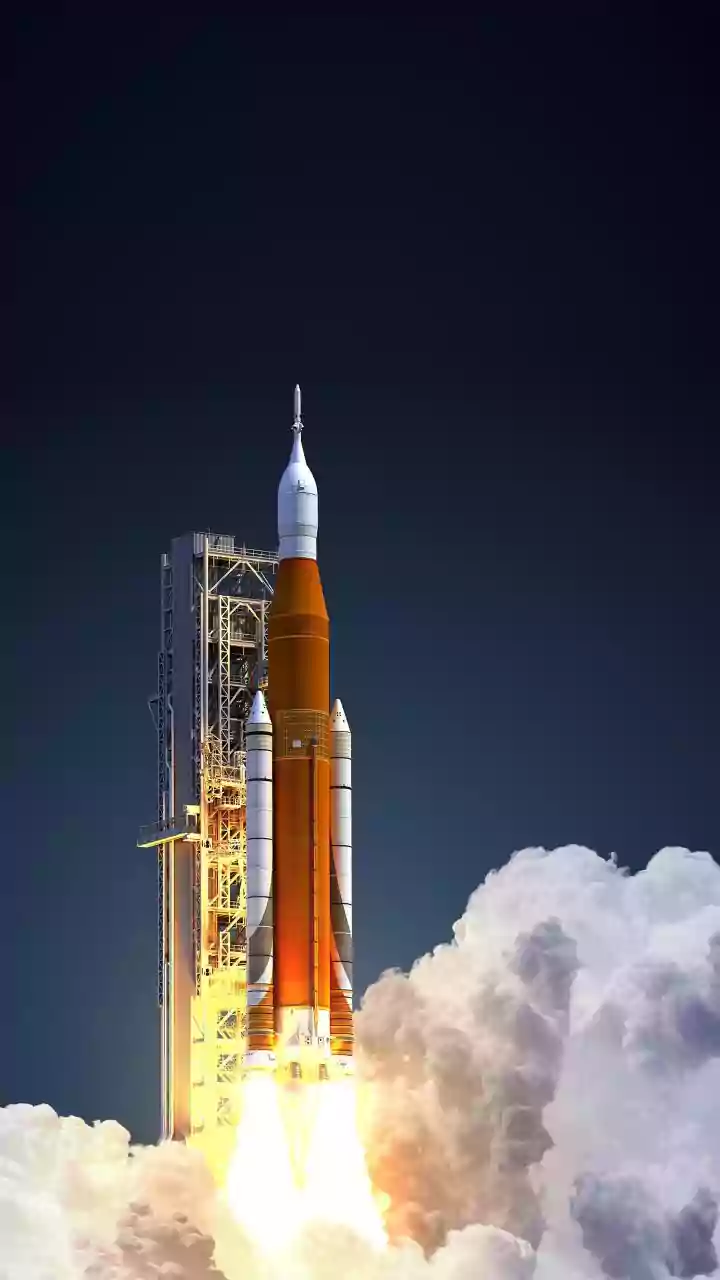
A 90-day delay may not sound like much for a mission years away, but in the intricate dance of orbital mechanics and multi-billion-dollar hardware development, it's a significant disruption. In an internal memo, NASA's administrator noted that the entire program is under pressure, with delays affecting not just the landers but also the core SLS rocket and the Orion crew capsule. Every piece is a domino. A delay in a Starship test flight could push back the Artemis III orbital rendezvous. A delay in Artemis III could mean NASA gets only one chance, instead of two, to attempt a lunar landing in 2028. While NASA leadership stresses that they will only fly when ready, the pressure is immense, not least because of a perceived new space race with China, which aims for a crewed lunar landing by 2030.