




The Ring of Fire
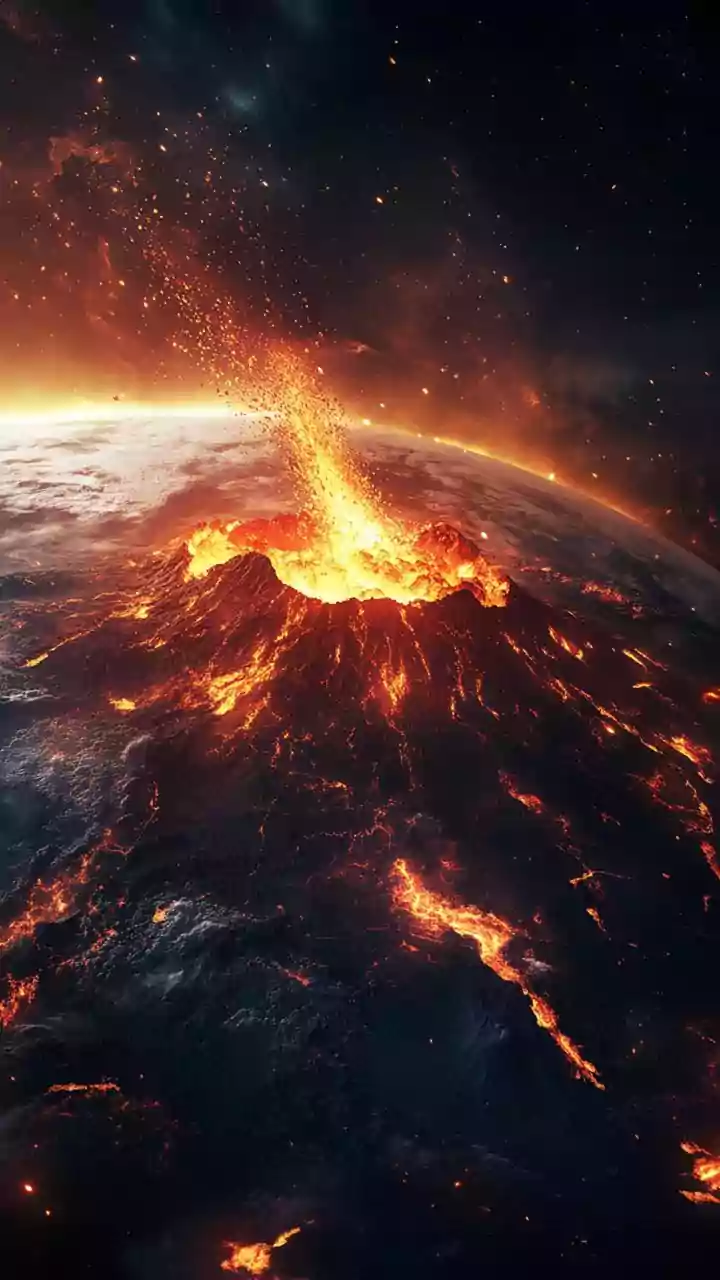
Japan's seismic vulnerability stems from its location on the Pacific Ring of Fire. This is not a literal ring of fire, but a massive 40,000-kilometre, horseshoe-shaped zone that borders the Pacific Ocean. This zone is infamous for hosting approximately
90% of the world's earthquakes and 75% of its active volcanoes. The Ring of Fire is a direct result of plate tectonics, where massive slabs of the Earth's crust grind against, slide under, and push over one another. This continuous, powerful movement results in the frequent release of energy as earthquakes and volcanic eruptions, a reality for nations all along this belt, from New Zealand to Japan and down the west coast of the Americas.
A Four-Plate Traffic Jam
What makes Japan's situation particularly intense is that it's located at the junction of four major tectonic plates: the Pacific, North American, Eurasian, and Philippine Sea plates. Most places on the Ring of Fire contend with two plates interacting, but Japan is caught in a complex four-way intersection. The massive Pacific Plate moves westwards, sliding under the North American Plate in a process called subduction. To the south, the Philippine Sea Plate dives beneath the Eurasian Plate. This geological squeeze creates immense and complex stress on the Earth's crust beneath the Japanese islands, leading to an average of 1,500 noticeable earthquakes each year and countless smaller tremors. It is this unique and volatile tectonic setting that makes Japan one of the most seismically active places on Earth.
A Culture of Preparation
Living with this constant threat has deeply embedded a culture of preparedness into Japanese society. The country has become a world leader in disaster readiness, learning painful lessons from past events like the 1923 Great Kanto earthquake and the 2011 Tohoku earthquake and tsunami. Strict building codes, first introduced in 1923 and significantly strengthened over the decades, ensure that modern structures are designed to withstand intense shaking, often using technologies like flexible steel frames and shock-absorbing rubber bases. From a young age, citizens participate in regular emergency drills at school and in the workplace, reinforcing evacuation protocols. Emergency kits are a common household item, and the entire nation is united by an understanding that preparedness is a shared responsibility.
Harnessing Technology for Safety
Beyond societal drills, Japan has invested heavily in cutting-edge technology to mitigate risks. The country operates one of the world's most advanced Earthquake Early Warning (EEW) systems. A dense network of thousands of seismometers detects the initial, faster-moving P-waves of an earthquake. This data is instantly analyzed to predict the intensity and arrival time of the more destructive, slower S-waves. This can provide precious seconds, or even over a minute, of warning to the public via television, radio, and mobile phone alerts. This brief lead time allows people to take cover, factory assembly lines to halt, and high-speed trains to apply emergency brakes, saving countless lives and preventing further damage. During the 2011 Tohoku quake, millions received warnings that enabled them to take action before the worst shaking began.