


A Tale of Two Roots
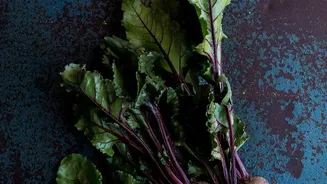
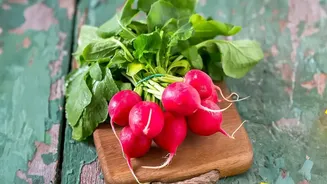
Beetroot, with its deep, earthy sweetness and jewel-toned flesh, and the radish, with its peppery, crisp bite, are fixtures in kitchens worldwide. While both grow underground, they offer distinctly different culinary experiences. Beetroots are often enjoyed
cooked—roasted, boiled, or pickled—which softens their texture and concentrates their flavour. Radishes, conversely, are frequently eaten raw, sliced into salads or served as a crunchy side to cut through richer dishes. Though they belong to different botanical families, they are both celebrated for being low-calorie additions to a healthy diet. But a closer look reveals they each have unique nutritional strengths that can be enhanced or diminished long before they reach your plate.
The Nutritional Showdown: Raw Power
When compared gram for gram in their raw state, beetroot and radish present different advantages. Beetroot is a nutritional powerhouse in many respects. It is significantly richer in fiber, which aids digestion, and contains more protein. It also packs a greater punch in minerals like iron, potassium, and magnesium, and is a standout source of folate (a B vitamin crucial for cell growth). On the other hand, the radish is the undisputed champion of Vitamin C, containing substantially more than beetroot. It is also lower in calories, carbohydrates, and sugar, making it a lighter option. Radishes also provide more calcium than beetroots. So, if you're seeking minerals and folate, beetroot has the edge. If you want a low-sugar, high-Vitamin C crunch, radish is your go-to.
The Heat Effect: How Cooking Changes the Game
Preparation is where the nutritional comparison gets truly interesting. Cooking alters the composition of both vegetables. For beetroot, boiling can cause water-soluble vitamins like folate and Vitamin C to leach into the water. Roasting or steaming is often a better method to preserve its nutrient profile. Heat can also degrade some of beetroot's potent antioxidants, known as betalains, though its overall antioxidant activity tends to remain stable. For radishes, cooking tames their signature peppery spice. This happens because heat deactivates the enzyme that produces the pungent compounds. While some Vitamin C is lost during cooking, certain preparation methods like roasting can actually increase the availability of other antioxidants. Steaming or stir-frying radishes with minimal water helps retain more nutrients than boiling. Ultimately, raw is often best for retaining heat-sensitive vitamins in both, but gentle cooking methods can make other compounds more accessible and the vegetables easier to digest.
Portion Distortion: More Isn't Always Better
How much you eat matters just as much as what you eat. While beets are incredibly nutritious, they are also higher in natural sugars compared to most other vegetables. For those monitoring their sugar or carbohydrate intake, portion control is key. A single medium beet is a standard serving size. Radishes, being about 95% water and very low in calories, can generally be eaten more freely. However, their high fiber content and spicy compounds can cause digestive discomfort like gas or bloating for some individuals if consumed in very large quantities, especially raw. Enjoying a handful of radishes in a salad is typically unproblematic, but moderation helps ensure you reap the benefits without any unwanted side effects.
Maximising Benefits in Your Kitchen
To get the best of both worlds, incorporate both vegetables into your diet using smart preparation techniques. Enjoy radishes raw in salads and sandwiches to maximize their Vitamin C content. Try roasting them with a little oil to bring out a surprising sweetness and mellow their spicy bite. For beetroot, consider grating it raw into salads for a boost of folate and fiber. When cooking, opt for steaming or roasting instead of boiling to better preserve its nutrients. Don't discard the cooking water from boiled beets; it's full of leached nutrients and can be added to stocks or soups. And remember, the leafy greens of both beetroot and radish are edible and packed with nutrients, so use them in stir-fries or as a garnish.