

Manas National Park: A Himalayan Foothills Treasure
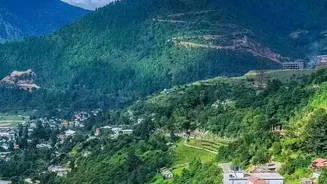
Nestled against the misty foothills of the Bhutan Himalayas, Manas National Park is a UNESCO World Heritage Site offering a wilder, more rugged experience than its famous counterpart. Its landscape is a stunning mosaic of alluvial grasslands, dense semi-evergreen
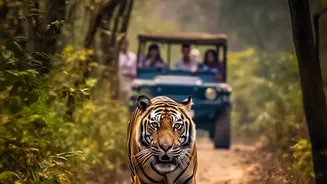
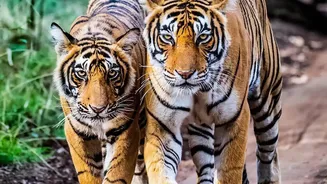
forests, and the crystal-clear Manas River that flows down from Bhutan. While it is a designated Tiger and Elephant Reserve, the park’s special residents include the rare golden langur and the pygmy hog, the latter of which is found nowhere else in the wild. Unlike many parks, Manas offers a range of activities. Jeep safaris take you through its central, eastern, and western ranges, each providing different vistas. For a truly immersive experience, you can also explore via an elephant safari or take a boat ride on the river, a perfect activity for birdwatchers hoping to spot some of the 450-plus avian species recorded here, including the Great Hornbill.
Nameri National Park: The Birdwatcher's Paradise
For those whose idea of paradise involves the thrill of a rare bird sighting, Nameri National Park is an essential stop. Located in the foothills of the Eastern Himalayas, this park is a haven for ornithologists and adventure seekers alike. It is particularly famous for being one of the best places to spot the state bird of Assam, the endangered White-winged Wood Duck. With over 370 bird species, including four species of hornbills, ibisbills, and numerous migratory birds, the air is alive with calls. What makes Nameri truly unique is that it is one of the few national parks in India where you can explore the forest on foot. Accompanied by an armed forest guard, these walking safaris offer an intimate and thrilling connection to the wilderness. The Jia Bhoroli River, which flows through the park, adds another layer of adventure, with opportunities for scenic river rafting and angling.
Dibru-Saikhowa National Park: River Islands and Feral Horses
Imagine a landscape shaped by the mighty Brahmaputra and its tributaries, creating a vast riverine island of swamps, grasslands, and forests. This is Dibru-Saikhowa, a National Park and Biosphere Reserve in eastern Assam. It’s most famous for a truly unique sight: a thriving population of feral horses, believed to be descendants of animals that escaped from army camps during World War II. As the park is essentially a river island, exploration here is different. Instead of jeeps, you'll rely on boat safaris that navigate the park's waterways, offering spectacular views of its diverse habitats. This aquatic environment makes it a prime destination for spotting the endangered Gangetic river dolphin and a host of water birds. With over 350 bird species, including many rare grassland specialists, it's a critical site for conservation and a tranquil escape for visitors. For a complete experience, consider staying overnight in a houseboat.
Dehing Patkai: The Amazon of the East
As Assam’s newest national park, Dehing Patkai represents one of the last remaining stretches of lowland rainforest in India, earning it the nickname 'Amazon of the East'. This dense, evergreen wilderness is a treasure trove of biodiversity, offering a completely different atmosphere from the state's grassland parks. The forest is home to an incredible array of species, including the elusive clouded leopard, Assamese macaques, and seven different species of wild cats. It's also a paradise for primate lovers, being the only place in India where you can find the Hoolock Gibbon, the country's only ape. The park's rich flora includes rare orchids, and its vibrant butterfly population adds to the enchanting atmosphere. For adventurous travellers, jungle trekking is the primary way to explore its dense terrain, offering a chance to truly disconnect and immerse oneself in the sounds and sights of a pristine rainforest ecosystem.