



The Calcium Champion
When the conversation turns to calcium, the winner is clear and decisive. Ragi, or finger millet, is an absolute powerhouse. Per 100 grams, uncooked ragi contains approximately 344mg to 364mg of calcium. To put that into perspective, it's about seven
times more than quinoa, which offers around 47mg for the same amount. In fact, ragi’s calcium content is one of the highest among all cereals, even surpassing milk when compared gram for gram. While it's true that ragi contains natural compounds called phytates that can slightly hinder calcium absorption, traditional preparation methods like soaking, sprouting, or fermenting (as in a dosa batter) can significantly reduce these compounds and improve how much calcium your body can use. For anyone focused on bone health, especially those on plant-based diets, ragi is the undisputed champion.
The Protein Question
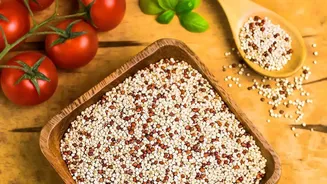
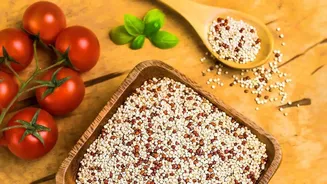
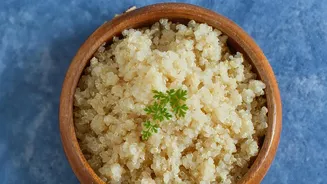
While ragi dominates the calcium debate, quinoa takes the lead on protein. A 100-gram serving of uncooked quinoa provides about 14 grams of protein, whereas ragi offers around 7 to 8 grams. More importantly, quinoa is a 'complete protein'. This means it contains all nine essential amino acids that our bodies cannot produce on our own. Ragi, like most other cereals, is not a complete protein. However, this isn't a deal-breaker for ragi. In a typical Indian diet, grains are rarely eaten in isolation. When ragi is paired with dals (lentils), curd, or beans, the combination creates a complete protein profile, effectively making up for what the millet lacks on its own. So, while quinoa wins on protein quality straight out of the bag, a balanced meal with ragi can be just as effective.
A Focus on Fibre
Dietary fibre is essential for good digestion, stable blood sugar levels, and feeling full and satisfied after a meal. Here, ragi once again shows its strength. Finger millet contains a robust 11 grams of fibre per 100 grams. Quinoa is also a good source, but contains a lesser amount, typically around 7 grams per 100 grams. The higher fibre content in ragi makes it an excellent choice for managing blood sugar levels and promoting gut health. This slow-digesting quality contributes to a sustained release of energy, helping to avoid the sharp spikes and crashes associated with more refined grains.
Other Key Nutrients
Beyond the big three, both grains offer a wealth of other micronutrients. They are neck-and-neck on iron, with some data showing quinoa having a slight edge. Ragi is a notable source of antioxidants and magnesium. Quinoa also boasts a strong profile of magnesium, phosphorus, and folate. Both are naturally gluten-free, making them safe and excellent choices for individuals with celiac disease or gluten sensitivity. Ultimately, both grains are nutrient-dense options that can significantly boost the vitamin and mineral content of your diet, just with different specialities.
The Practicality Test: Cost and Access
For most Indian households, this is where the comparison becomes most stark. Ragi is an ancient crop deeply rooted in Indian agriculture and cuisine, especially in the southern states. It is widely available in local markets and is incredibly affordable, with prices often ranging from ₹60 to ₹120 per kilogram. Quinoa, on the other hand, is primarily native to South America. Though now grown in some parts of India, it is largely treated as a premium, often imported, health food. Its price can be five to eight times higher than that of ragi, often costing ₹400 to ₹800 per kilogram. This significant price difference makes ragi a far more accessible and sustainable daily option for the average consumer.
Making Them Work for You
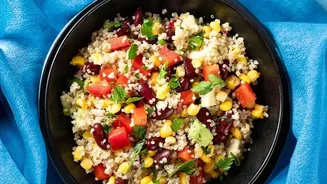
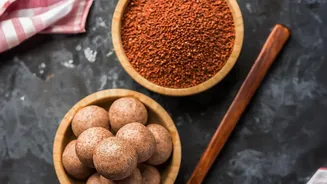
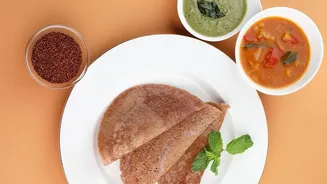
Integrating these grains into your diet is easy, thanks to their versatility. Ragi's flour form lends itself perfectly to traditional Indian cooking. It can be used to make soft rotis, nutritious porridge (ambli), crispy dosas, and hearty mudde (steamed balls). Its earthy flavour pairs well with a variety of spices and ingredients. Quinoa has a milder, nuttier taste and a slightly chewy texture. It works beautifully as a substitute for rice, a base for salads and pulao, or an addition to soups and upma. While it might be less familiar in traditional kitchens, its quick cooking time and adaptable flavour make it a convenient option for modern meals.