



What is Facial Layering?
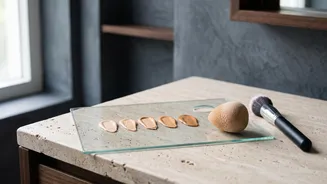
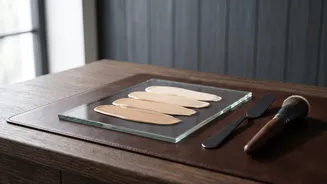
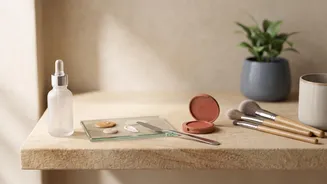
Facial layering is a makeup application method that prioritises patience and precision over speed and quantity. Instead of applying one thick coat of foundation or concealer, the technique involves applying multiple, whisper-thin layers of product. The
core principle is to give each individual layer—from primer to foundation to setting powder—a moment to dry and set before applying the next. This intentional pause prevents products from mixing into a muddy mess, allowing them to perform as designed. The result is a seamless, skin-like finish that offers buildable coverage without the weight or texture of heavy makeup. It’s a shift from slathering to strategically building.
The Science of the Set
Why is waiting so important? When you apply liquid or cream products, they need time to form a stable film on the skin. Rushing the process by immediately applying another layer on top of a wet one can cause the products to slip, pill (form little balls), or separate throughout the day. Letting a layer set—even for just 30 to 60 seconds—allows it to adhere properly to the skin or the layer beneath it. This creates a stable canvas for the next product, enhancing blendability and dramatically improving the longevity of your makeup. Think of it like painting a wall: you wouldn't apply a second coat of paint before the first is dry. The same logic applies to your face for a streak-free and durable result.
A Step-by-Step Guide to Layering
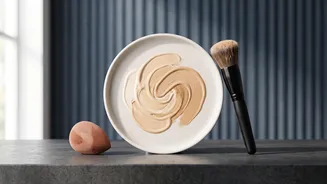
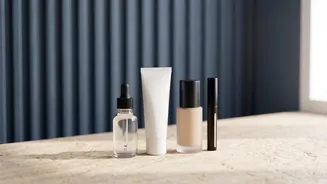
Mastering this technique is about following a logical order and being light-handed. The general rule is to apply products from the thinnest to thickest consistency, and liquids and creams before powders. 1. Skin Preparation: A flawless base starts with good skincare. Cleanse, gently exfoliate to remove any dry patches, and moisturise. Give your moisturiser a minute or two to absorb fully before moving on. 2. Primer: Apply a thin layer of primer to create a smooth, grippy canvas for your foundation. This helps fill in pores and control oil. Wait about a minute for it to set. 3. Foundation: Using a damp sponge or a buffing brush, apply a very thin layer of foundation, starting from the center of your face and blending outward. Press or stipple the product into the skin rather than swiping. If you need more coverage in certain areas, wait a minute and then apply a second thin layer just where needed. 4. Concealer: After foundation, dab a small amount of concealer only where necessary, such as under the eyes or on blemishes. Use a gentle tapping motion to blend the edges seamlessly into your foundation. 5. Cream Colour (Optional): If you use cream blush or bronzer, apply it now, before any powder. The cream texture will melt beautifully into the unset foundation. Some artists even use a spritz of setting spray at this stage to help fuse the layers. 6. Setting Powder & Spray: Once your cream products are blended, strategically apply a fine, lightweight setting powder to areas that tend to get oily, like your T-zone. To finish, a setting spray will melt all the layers together, removing any powdery look and locking everything in place for hours.
Pro Tips for a Perfect Finish
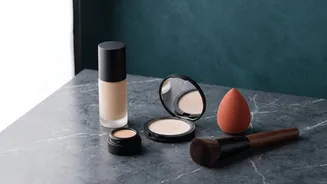
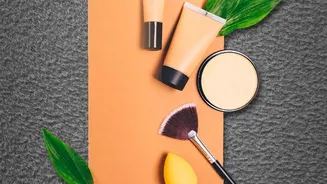
To elevate your layering game, keep these expert tips in mind. First, less is always more. Start with half the amount of product you think you need; it's easier to add more than to take it away. Second, your tools matter. A damp beauty sponge is excellent for pressing products into the skin for a seamless melt, while dense brushes are great for buffing and diffusing. Finally, tailor the technique to your skin. If you have oily skin, a mattifying primer and strategic powdering are your best friends. For dry skin, hydrating formulas and cream products will prevent makeup from clinging to dry patches and deliver a luminous glow. The goal is to enhance your skin, not mask it.