





A North Kolkata Classic: Bagbazar Sarbojanin
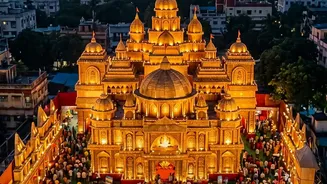
To understand the soul of Kolkata's community celebrations, a visit to a North Kolkata pandal is essential. Bagbazar Sarbojanin, one of the city's oldest and most revered pujas, is a perfect starting point. For nearly a century, it has prioritized tradition
over trendy themes. Here, the focus remains on the beautifully crafted, classic Durga idol and the age-old rituals. The atmosphere is less about spectacle and more about devotion, offering an authentic glimpse into the community spirit that defines the festival. The area around the pandal often hosts fairs with carnival rides and exhibitions, making it a wholesome cultural experience. This stop offers a connection to the heritage of 'parar pujo' (neighbourhood puja) that remains the backbone of the festival.
Artistic Grandeur in the South: Suruchi Sangha
In contrast to the classicism of the North, South Kolkata's pandals are famous for their innovative and artistic themes. Suruchi Sangha in New Alipore is a prime example of this creative excellence. For over 50 years, this club has been a major crowd-puller, renowned for its stunning artwork and thematic depth. Each year, it showcases the culture of a different Indian state, modelling its pandal and even the idol on the artistic traditions of that region. Having won awards for its masterfully decorated pandals, Suruchi Sangha guarantees a visual feast. A visit here is not just about seeing an idol, but about appreciating a large-scale art installation that changes every year, reflecting the dynamic and evolving nature of Durga Puja's creative expression.
A Glimpse of History: A Bonedi Bari Puja
Before Durga Puja became a large-scale public festival, it was celebrated within the city's aristocratic family homes, known as 'Bonedi Baris'. Many of these households continue their centuries-old traditions and graciously open their gates to visitors. A visit to a Bonedi Bari like the Sovabazar Rajbari offers a vastly different experience. Started in 1757 by Raja Nabakrishna Deb, this historic puja is intertwined with the city's colonial past. Instead of a temporary pandal, the idol is housed within the grand 'thakur dalan' (a courtyard with pillars). The rituals are steeped in family tradition, providing a quieter, more intimate and deeply historic perspective on the festival, away from the bustling crowds of the public pujas.
The Birthplace of the Gods: Kumartuli
To truly appreciate the artistry of Durga Puja, one must visit Kumartuli, the potters' colony where the idols are born. In the narrow lanes of this North Kolkata neighbourhood, generations of artisans (or 'kumors') craft the magnificent clay idols from scratch. Weeks before the festival, the area is a hive of activity as artists transform bamboo frames, straw, and clay into divine figures. While most idols have been transported to pandals by the time the festival begins, a walk through Kumartuli offers a powerful insight into the painstaking craftsmanship and human effort behind the grandeur. It reveals the creative journey of the festival, making you appreciate every finished idol you see in a new light.
A Festival for the Taste Buds: Street Food Delights
Durga Puja is as much a culinary festival as it is a religious and artistic one. Pandal hopping is incomplete without savouring Kolkata's legendary street food. The streets come alive with stalls selling an array of snacks that fuel the festive energy. An essential stop is any food stall near a major pandal for some iconic treats. Start with puchkas, the city's beloved version of pani puri. Follow it up with a Kathi Roll, a delicious paratha wrap filled with egg, chicken, or mutton, which serves as the perfect on-the-go meal for a long night of exploration. Other must-try items include ghugni (a spiced pea curry), chowmein from a street-side wok, and crispy fish fry served with sharp kasundi mustard.