



A Sweet Surprise for the Holy Month
The month of Sawan is a deeply spiritual time in the Hindu calendar, dedicated to Lord Shiva. Many devotees observe fasts, particularly on Mondays (Somvar), adhering to a 'vrat' or fasting diet. This diet is typically sattvic, meaning it consists of pure,
light, and easily digestible foods. Grains, lentils, and certain spices are avoided, while fruits, dairy products, and specific vegetables and flours are permitted. Among the approved ingredients, the potato stands out for its incredible versatility. It is filling, provides a slow release of energy from complex carbohydrates, and adapts beautifully to a wide range of preparations, from savoury snacks to, surprisingly, indulgent desserts.
Introducing Aloo ka Halwa
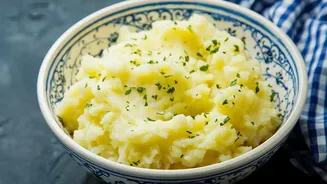
The dessert in question is Aloo ka Halwa, or potato pudding. It’s a classic fasting sweet, particularly popular in Uttar Pradesh. While it might sound unusual, the concept is culinary genius. Potatoes have a neutral flavour and a starchy texture, making them a perfect canvas. When cooked down with generous amounts of ghee (clarified butter), milk, and sugar, they lose their savoury identity and morph into something unctuously sweet and satisfying. The final dish is a dense, fragrant halwa, often scented with cardamom and saffron and studded with nuts like almonds and pistachios. It's a melt-in-your-mouth experience that is both comforting and deeply flavourful.
The Magic of Transformation
The headline's description is spot-on. The magic of Aloo ka Halwa lies in how the mashed potatoes absorb the rich fats and sugars. The process begins by sautéing boiled and mashed or grated potatoes in a generous amount of hot ghee. The potato acts like a sponge, soaking up the nutty, aromatic ghee as it roasts. This step is crucial; it must be done patiently over medium heat, stirring constantly until the potato turns a light golden colour and releases a pleasant aroma, a process that can take 10 to 15 minutes. Once the raw taste of the potato is gone, sugar and milk are added. The sugar melts, initially making the mixture liquidy, but as you continue to stir, the potato absorbs the sweetened milk, and the halwa thickens, eventually pulling away from the sides of the pan. This absorption process is what creates the dish's signature rich and seamless texture.
A Guide to Making Potato Halwa
Creating this dessert at home is surprisingly straightforward. You’ll need a few medium-sized boiled potatoes, which should be peeled and then mashed or grated until smooth. Using grated potatoes is a popular technique to ensure a lump-free, silky texture. Heat a few tablespoons of desi ghee in a heavy-bottomed pan and roast the potatoes for 8-10 minutes. Next, add sugar and continue cooking until it dissolves completely. Some recipes also call for a splash of saffron-infused milk at this stage for colour and aroma. A pinch of cardamom powder adds a warm fragrance. Continue to cook, stirring regularly, until the halwa thickens and begins to leave the sides of the pan. A final teaspoon of ghee can be added for a glossy finish before stirring in chopped nuts like cashews and almonds. It is best served hot, garnished with a few more nuts.