



Street Food: A Strategy for Indulgence
Navigating street food during the monsoon requires a sharp eye. The high humidity and risk of water contamination mean that caution is your best friend. Opt for vendors who cook food fresh and serve it piping hot, as high temperatures kill most harmful
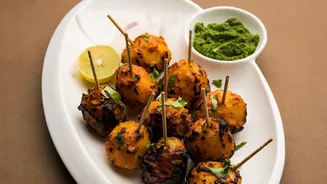
bacteria. Be wary of pre-cut fruits, raw salads, and especially chutneys or sauces left in open containers, as these are common sources of infection. A vendor maintaining visible hygiene, like using clean utensils, having covered ingredients, and displaying an FSSAI license, is a much safer bet. Roasted corn on the cob (bhutta) and freshly fried snacks like samosas or pakoras eaten immediately are generally safer choices than items like pani puri, where untreated water poses a significant risk.
The Art of Portion Control
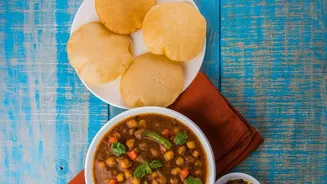
Monsoon often makes us crave heavy, fried, and oily foods. Biologically, our bodies seek warm, energy-dense foods to combat the damp, cooler weather. However, our digestion also tends to slow down during this season, making it harder to process heavy meals. Indulging is part of the joy, but moderation is key. Instead of a full plate of fried snacks, consider sharing a portion or pairing a small amount with a healthier option like a warm soup or steamed momos. At home, you can try baking or air-frying your favourite snacks to reduce oil intake significantly. Listening to your body and opting for lighter, frequent meals can prevent the bloating and lethargy that often follow a monsoon feast.
Packing for Monsoon Travel
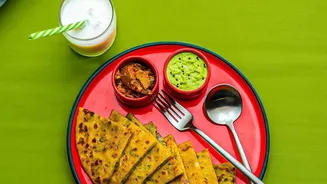
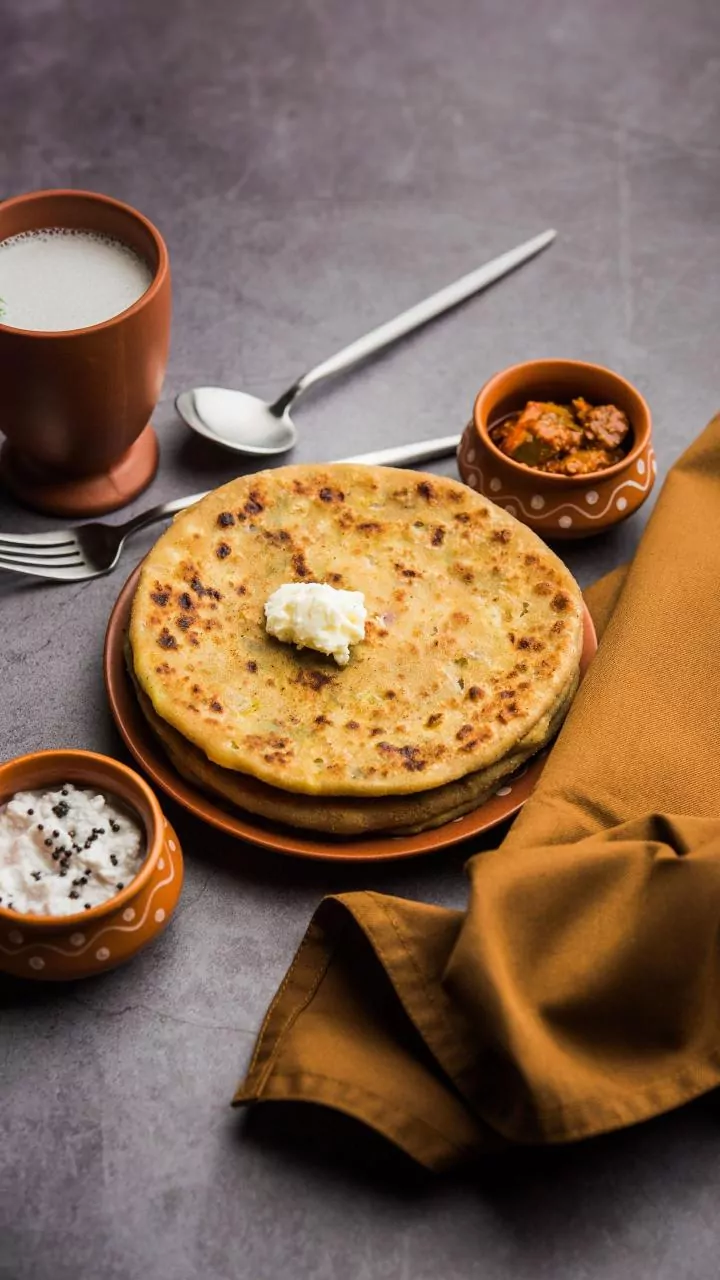
Whether it's a weekend road trip or a daily commute, packing food during the humid monsoon requires special care. Moisture is the enemy, leading to sogginess and rapid spoilage. Use airtight, leak-proof containers, preferably with screw-top or click-lock lids. A smart strategy is to keep wet and dry items separate—pack curries and dals in one container, and rotis or rice in another. For breads like parathas, wrap them in foil or butter paper before placing them in a box to prevent them from becoming damp. If you’re carrying hot food for a trip longer than a few hours, an insulated bag is a wise investment to maintain temperature and freshness. Always let food cool down completely before sealing the container to prevent condensation from making it soggy.
Immunity and Hydration Are Key
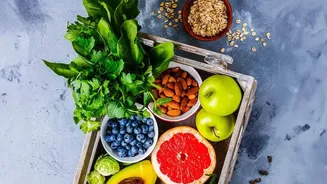
Staying healthy during the monsoon isn't just about avoiding the wrong foods; it's also about embracing the right ones. Focus on boosting your immunity. Incorporate spices like turmeric, ginger, and garlic into your meals, which have natural anti-inflammatory and anti-bacterial properties. While you may feel less thirsty, it's crucial to stay hydrated. However, stick to boiled, filtered, or sealed bottled water. Avoid ice in drinks from outside vendors. Warm beverages like herbal teas and freshly made soups are excellent choices as they not only hydrate but also help soothe the digestive system and keep you warm. Including seasonal fruits rich in Vitamin C, such as pears, pomegranates, and plums, can also help strengthen your body's defenses.
Home Kitchen Hygiene
Your kitchen is the frontline in the battle against monsoon illnesses. The high moisture content in the air can cause bacteria and mould to thrive. It's essential to wash all fruits and vegetables thoroughly. Soaking them in salt or vinegar water for a few minutes can help remove contaminants. Be extra careful with leafy greens, as they can carry a lot of dirt and germs from the soil. Avoid leaving cooked food out for long periods; refrigerate leftovers promptly in airtight containers. Ensure your kitchen surfaces, cutting boards, and utensils are cleaned and sanitized regularly, and use separate boards for raw and cooked foods to prevent cross-contamination.