



The E20 Reality and a Looming Problem
To reduce import dependency and cut emissions, India has aggressively rolled out E20 petrol, a blend containing 20% ethanol. While newer vehicles, especially those manufactured after April 2023, are built to handle this fuel, a massive fleet of older
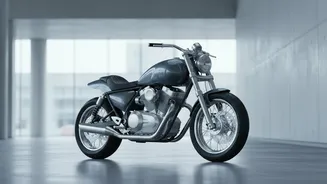
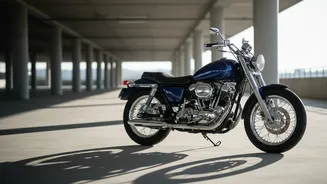
vehicles is not. This is particularly true for motorcycles made before the Bharat Stage-IV (BS-IV) emission norms became mandatory nationwide on April 1, 2017. These pre-BS-IV bikes, many of which are still in daily use across the country, were engineered for pure petrol or, at most, a 10% ethanol blend (E10). The nationwide switch to E20 as the standard fuel creates a significant compatibility challenge for these older machines.
Why E20 Is a Challenge for Older Bikes
The core issue lies in the materials and technology of pre-BS-IV motorcycles. Ethanol has different chemical properties than petrol. It is a solvent and is also hygroscopic, meaning it absorbs moisture from the air. In older bikes, higher ethanol concentrations can degrade rubber and plastic components like fuel lines, seals, and gaskets that were not designed to resist it. This can lead to fuel leaks and other safety hazards. Furthermore, most of these older bikes use a carburettor to mix air and fuel. A carburettor cannot automatically adjust for the different oxygen content in E20, causing the engine to run 'lean' (too much air, not enough fuel), which can lead to overheating and long-term damage.
The E10 Proposal: A Sensible Middle Ground
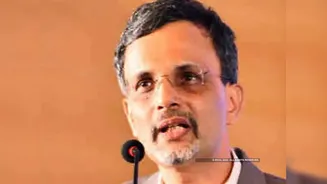
Amid growing concerns from vehicle owners, a practical solution has been proposed: reintroducing E10 fuel at petrol pumps as an option alongside E20. This suggestion, notably backed by Chief Economic Adviser V Anantha Nageswaran, acknowledges the mechanical reality facing millions of riders. The logic is simple: E10, with its lower 10% ethanol content, is far less aggressive on older components than E20. Many vehicles that struggle with E20 can tolerate E10 without significant issues. Offering E10 would not halt the country's green fuel ambitions but would create a crucial 'transition path', giving owners time before they need to upgrade their vehicle or undertake costly modifications.
What Does This Mean for Bike Owners?
If this dual-fuel strategy is adopted, it would be a major relief for owners of pre-BS-IV motorcycles. It would mean they can continue to use their vehicles safely without the immediate fear of engine damage or component failure caused by incompatible fuel. However, it is not a permanent fix. The long-term automotive trend is towards higher ethanol blends and eventually electric mobility. Even with E10, owners of very old or poorly maintained bikes should remain vigilant. It is wise to inspect fuel lines and rubber components for signs of hardening or cracking and to consult a trusted mechanic about your specific model's compatibility. Using a fuel additive designed to protect against ethanol's effects could also be a prudent measure.
The Road Ahead: A Question of Logistics
While the E10 proposal is gaining traction, implementing it presents logistical hurdles. The Ministry of Petroleum has previously pointed out that maintaining multiple fuel grades across a vast network of over one lakh petrol pumps is complex and could increase costs. However, proponents argue that providing this choice is essential to protect the existing vehicle fleet and calm public anxiety while a more robust retrofitting program is developed. For the millions of Indians who rely on their older two-wheelers for their livelihood, the availability of E10 could be the difference between mobility and being stranded by a well-intentioned but challenging fuel transition.