



Kanha's Katori: A Platter of Devotion
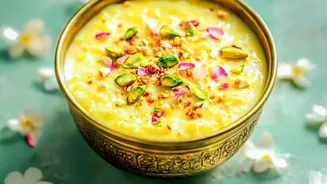
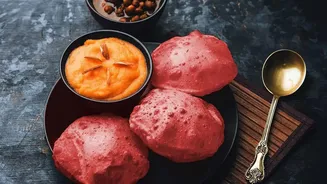
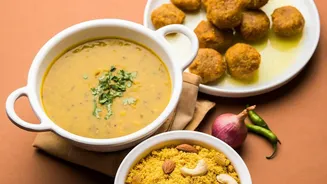
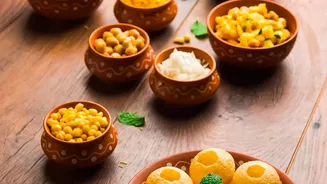
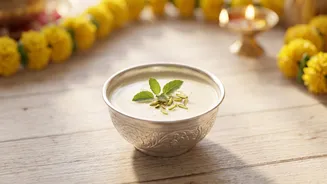
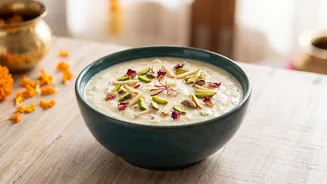
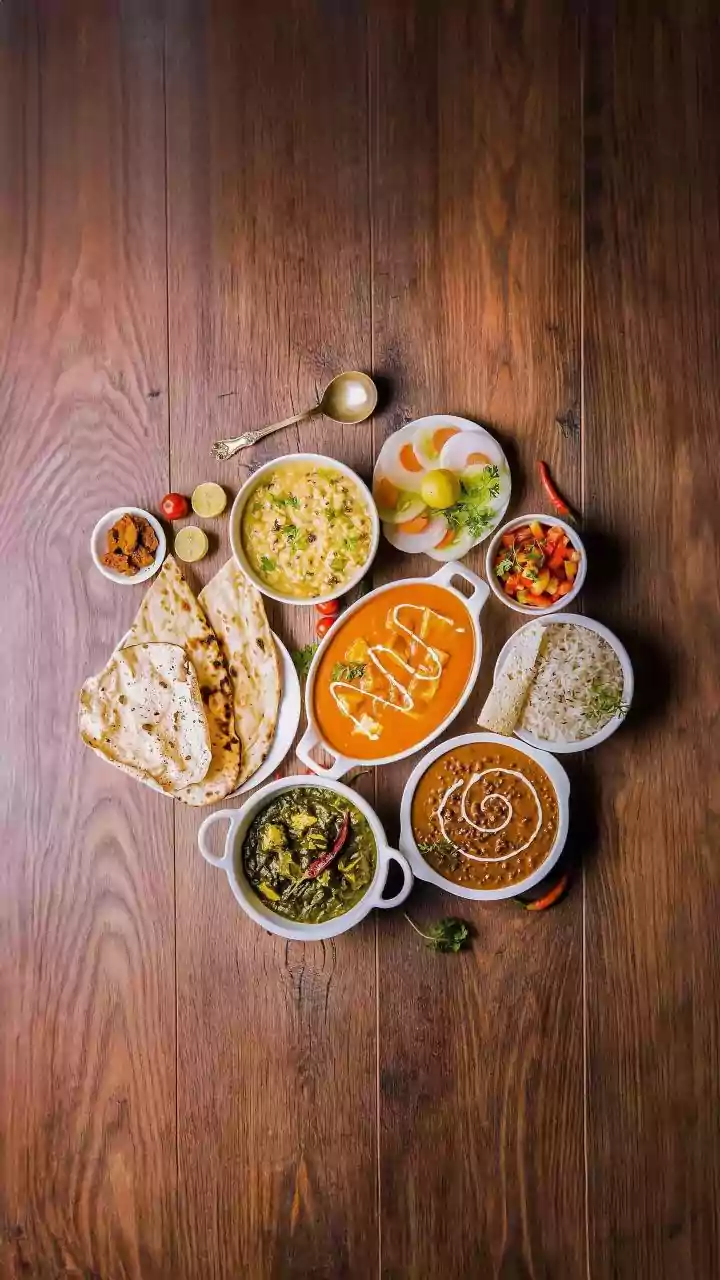
On Janmashtami, the offerings to Lord Krishna are a grand affair. While many are familiar with the 'Chappan Bhog'—a lavish spread of 56 dishes—the essence of this tradition lies in the love and devotion behind each item. The term 'Kanha Ki Katori' beautifully
captures this sentiment; it isn't one specific dish, but the symbolic bowl or platter prepared for Krishna, filled with his most beloved foods. The story of the Chappan Bhog itself is rooted in a tale of divine protection. When Lord Krishna lifted the Govardhan Hill to shield the villagers of Braj from torrential rains for seven days, he missed his usual eight meals a day. As a gesture of immense gratitude, the villagers prepared 56 dishes (seven days multiplied by eight meals) to honour him. This tradition of offering a multitude of dishes symbolizes the community's profound love and thankfulness.
Makhan Mishri: The Taste of Playful Innocence
No Janmashtami offering is complete without Makhan Mishri. This simple blend of fresh, unsalted white butter (makhan) and rock sugar (mishri) holds a special place because of its direct link to Krishna's childhood. He was affectionately known as 'Makhan Chor' or the butter thief, for his playful habit of stealing freshly churned butter from his mother Yashoda and the other gopis (milkmaids) of Vrindavan. Offering Makhan Mishri is a direct nod to these beloved stories. The ingredients themselves are symbolic. The pure, white butter represents innocence and love, while the mishri adds a touch of sweetness, signifying the bliss of devotion. It’s a simple, uncooked prasad that embodies the purity and simplicity associated with Krishna's early life. This offering is a way for devotees to connect with the playful, innocent side of the deity and seek his blessings for happiness and prosperity.
Dhaniya Panjiri: A Prasad of Purity and Healing
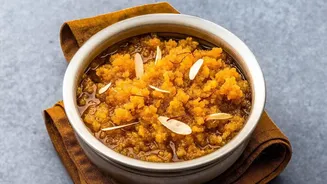
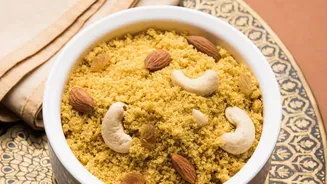
Panjiri is a staple prasad for Janmashtami, especially in North India. While many versions use whole wheat flour, the one specifically for Janmashtami is often Dhaniya Panjiri, made with roasted coriander seed powder. This is because grains are typically avoided during the fast, making coriander a 'falahari' (fast-compliant) ingredient. The significance of Dhaniya Panjiri is both spiritually and practically. Spiritually, its simple, earthy ingredients are thought to reflect Krishna's humble upbringing in Vrindavan, embodying purity and devotion. From an Ayurvedic perspective, the ingredients are deeply nourishing. Coriander seeds are known to be cooling and beneficial for digestion, which is especially helpful after a day of fasting. Ghee provides sustained energy, while nuts and seeds add nutrition. Often served with Charnamrit (a sacred drink), this wholesome prasad is not just a treat but also a restorative food that balances the body.
Gopalkala: A Symbol of Friendship and Equality
Gopalkala, a savoury dish popular in Maharashtra, tells a beautiful story of community and equality. The name itself means 'Gopal's mixture'. According to legend, when Krishna and his cowherd friends (gwalas) would take their cattle to graze, they would pool together whatever food they had brought from home. Krishna would then mix it all together, often with curd, and share it equally among everyone. This dish, made primarily with flattened rice (poha), curd, cucumber, and simple spices, represents this act of sharing. The ingredients are intentionally variable, symbolising that everyone contributes what they can, regardless of their economic status. It’s a reminder of Krishna's teachings on humility, solidarity, and the joy of community. As a prasad, Gopalkala is not just an offering of food but a celebration of friendship and the idea that everyone is equal in the eyes of the divine.