




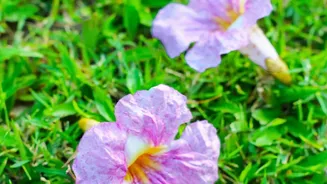
A Rare Spectacle Unfolds
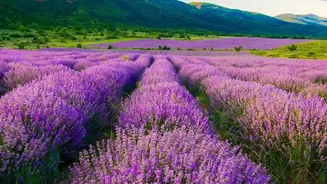
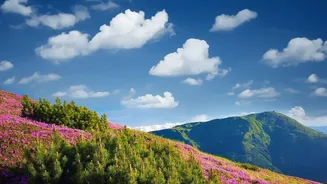
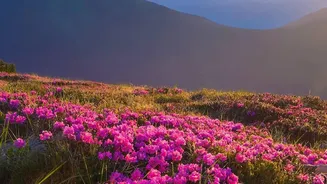
For those who wait, the Western Ghats offer a reward of breathtaking beauty. In September 2026, parts of Munnar are experiencing the mass flowering of Neelakurinji (Strobilanthes kunthiana), a shrub that paints entire hillsides in shades of violet-blue.
This natural event is famous for its 12-year cycle, a lesson in patience and natural timing. This year, the bloom is concentrated around the Chokramudi and Mattupetty-Korandakkad hills. It's important to note this is not the famous Eravikulam National Park bloom, whose last event was in 2018 and is next expected in 2030. Instead, this is a different population of the same species, a reminder of the region's complex and diverse ecology.
More Than Just a Pretty Flower
Beyond its visual appeal, the Neelakurinji is an ecological linchpin. As an indicator species, its health reflects the health of the high-altitude shola grasslands it calls home. The mass flowering provides a feast for pollinators like bees and butterflies, playing a vital role in the local ecosystem. After the bloom, the plants die, enriching the soil with nutrients. This cycle is so integral to the region that the local Paliyan tribe historically used the bloom to calculate their age. The plant's name itself is believed to have given the Nilgiri Hills, or 'Blue Mountains', their name. It’s a living part of the area's cultural and natural heritage, even finding mention in ancient Tamil Sangam literature.
The New Details: A Vulnerable Wonder
This year's bloom arrives with a sobering new context. In 2024, for the first time, Neelakurinji was officially assessed for the IUCN Red List and classified as a 'Vulnerable' species. Scientists cited an estimated 40% habitat loss due to the expansion of tea and eucalyptus plantations, unchecked urbanisation, and other infrastructure projects. The fragile shola-grassland ecosystems are shrinking. This has put a spotlight on the current bloom, which is occurring largely outside the protected area of Eravikulam National Park, making it more susceptible to damage. Botanists and conservationists have highlighted the urgent need to protect these newly flowering, unprotected sites.
The Double-Edged Sword of Tourism
The bloom’s beauty is a powerful magnet for tourism, which boosts the local economy but also brings significant risks. The influx of visitors during flowering seasons can lead to plants being trampled or flowers plucked, which is devastating for a species that reproduces only once in its lifetime. If the plants are destroyed before they can set seed, the next 12-year cycle is jeopardised. Recent events in September 2026 have shown this is not a theoretical threat. Forest officials have taken legal action against individuals who plucked the protected flowers for social media photos, highlighting the seriousness of the issue. Neelakurinji is a protected plant, and damaging it can lead to imprisonment and fines.
A Coordinated Push for Protection
The 'vulnerable' status and the pressures from tourism have spurred new conservation efforts. In response to the 2026 bloom, the local administration has convened meetings to manage the tourist flow, and there are plans for a mobile app for booking visiting slots to prevent overcrowding. Authorities are emphasizing responsible tourism, urging visitors to stay on designated paths, avoid littering, and not touch the plants. At a national level, the Environment Ministry has been in discussion with the National Green Tribunal to create annual conservation plans across Kerala, Tamil Nadu, and Karnataka to ensure a coordinated approach to protecting the remaining habitats. These new measures are a recognition that without deliberate protection, this natural spectacle cannot be taken for granted.