





The Two Faces of Cinnamon
Not all cinnamon is created equal. The spice world is dominated by two main players: Ceylon cinnamon and cassia cinnamon. Ceylon (Cinnamomum verum) is known as “true cinnamon” and hails primarily from Sri Lanka. It’s prized for its delicate, nuanced flavour.
Cassia, on the other hand, comes from related trees grown in China, Vietnam, and Indonesia. It's the bold, spicy, and overwhelmingly common variety you’ll find in most supermarkets globally because it's cheaper and easier to produce. If your spice jar just says “cinnamon,” it’s almost certainly cassia.
Visual Test: The Difference in the Stick
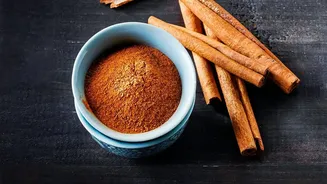
The easiest way to distinguish the two is by looking at whole cinnamon sticks, or quills. Ceylon cinnamon sticks are composed of many thin, fragile layers of bark that have been rolled together, resembling a tightly packed cigar. The texture is soft and brittle, and the quills crumble easily with light pressure. Cassia sticks are a world apart. They consist of a single, thick layer of bark that curls inward from both sides, creating a hollow scroll-like shape. They are woody, dense, and much harder to break. The colour is also a clue: Ceylon is typically a light, tan brown, while cassia is a darker, reddish-brown.
The Challenge of Ground Cinnamon
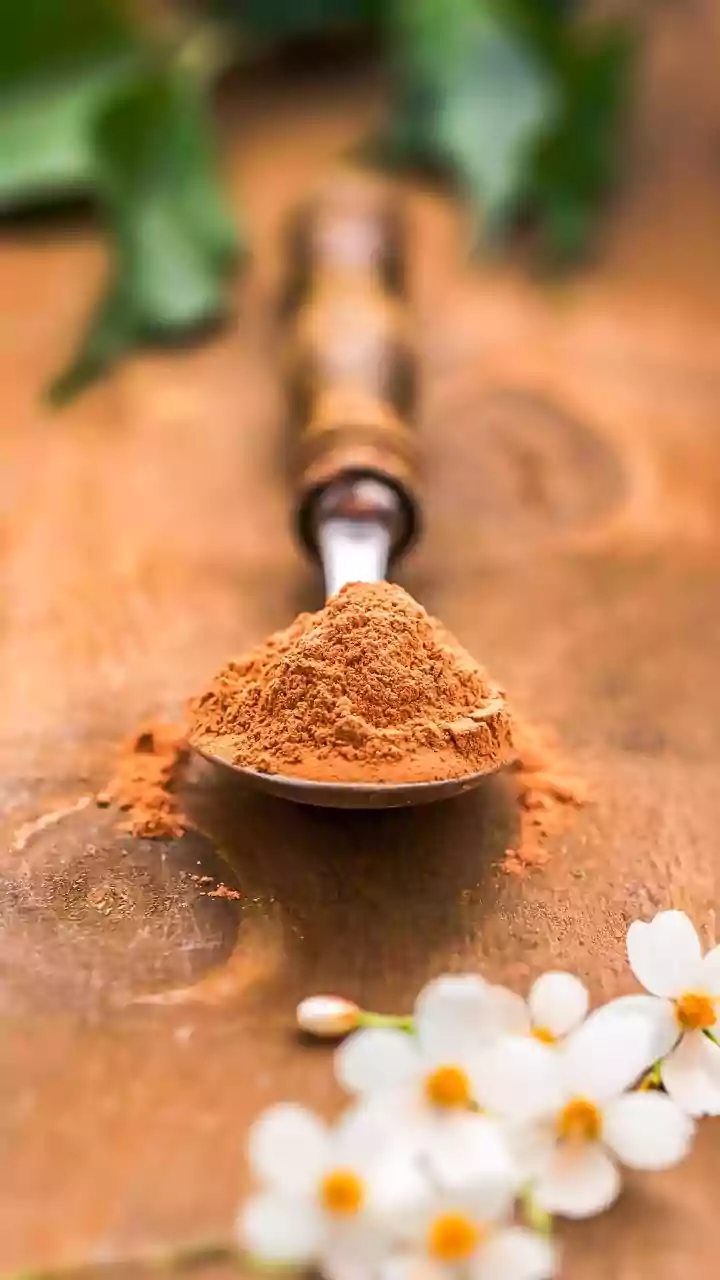
Once ground, identification becomes much trickier as the structural clues disappear. However, some differences remain. Ground Ceylon cinnamon is often a lighter, yellowish-tan colour, whereas ground cassia is a more intense reddish-brown. The texture can also differ, with Ceylon powder being finer and softer, while cassia can feel coarser. While a side-by-side comparison makes these differences more apparent, it’s difficult to judge a lone jar of powder without a reference point.
A Tale of Two Flavours
The taste profile is where the two cinnamons truly diverge. Ceylon cinnamon offers a mild, sweet flavour with complex floral and citrus notes. It enhances dishes with a subtle warmth without overpowering other ingredients, making it ideal for delicate desserts, beverages like chai, and gourmet cooking. Cassia delivers a much stronger, more pungent, and spicy kick. Its powerful, fiery flavour, sometimes with a slightly bitter aftertaste, is what most people associate with the taste of cinnamon. This robust profile allows it to stand up in hearty baked goods and savory dishes like curries.
Why Does It Matter? The Coumarin Question
Beyond culinary preference, there's a health consideration that sets the two apart: a compound called coumarin. Cassia cinnamon contains significantly high levels of coumarin, which, in large or regular doses, has been linked to potential liver damage in sensitive individuals. European health authorities have set a tolerable daily intake for coumarin, which can be exceeded by just a teaspoon of cassia powder. Conversely, Ceylon cinnamon contains only negligible or trace amounts of coumarin, making it a safer choice for those who consume cinnamon frequently or in large quantities, such as for health purposes.