


The Unexpected Common Ground
One practice takes place on solid ground, focusing on slow, deliberate forms. The other unfolds on water, requiring rhythmic, powerful strokes to glide across the surface. Tai Chi is often associated with meditative calm and internal energy, while kayaking
is seen as a vigorous outdoor pursuit. Despite these differences, they are both deeply rooted in the same biomechanical principle: efficient movement originates from a mobile and stable core. In both disciplines, beginners often make the same mistake—relying on their arms. An aspiring Tai Chi student might push and pull with their shoulders, while a novice kayaker will yank the paddle with their biceps. In both cases, this leads to rapid fatigue and limited progress. The key to advancing is learning to generate power from the body's centre, which is only possible with adequate mobility in the hips, spine, and torso.
Tai Chi: Mobility Through Grounded Flow
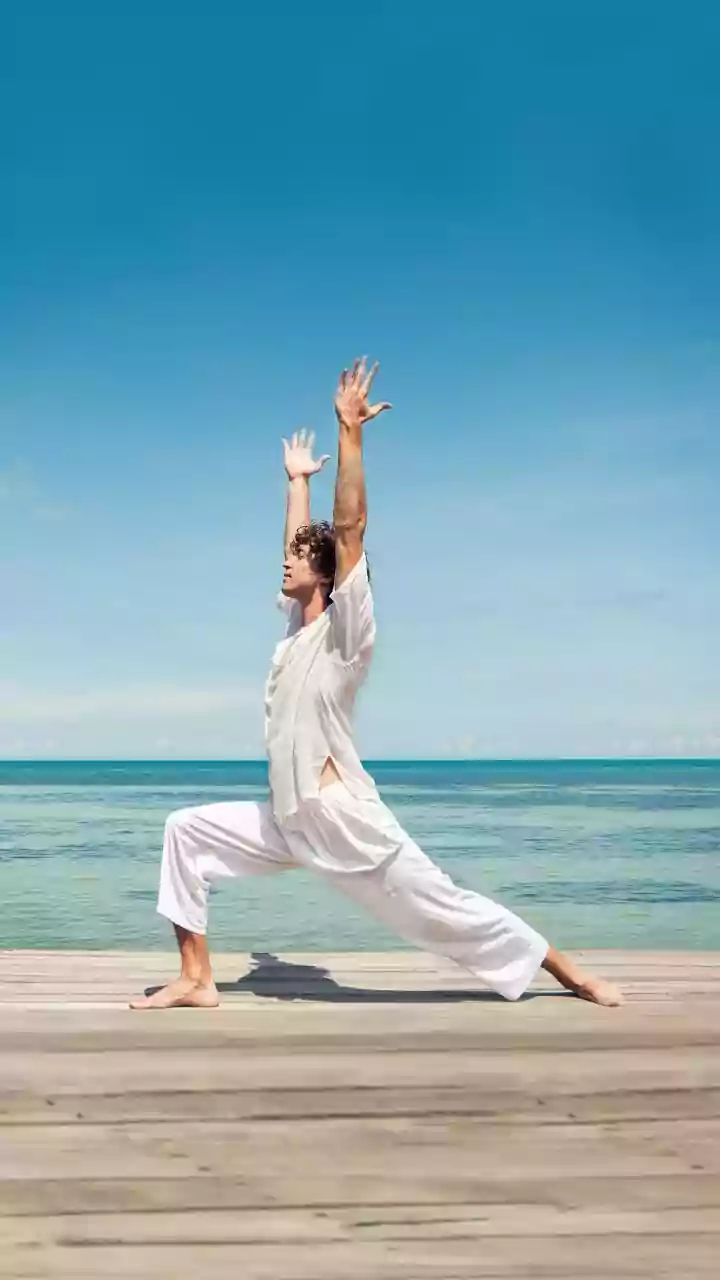
Tai Chi is often described as 'meditation in motion', but it is also a sophisticated system for developing functional mobility. Its slow, controlled movements are designed to take joints through their full range of motion without strain. Progress in Tai Chi is measured by the ability to remain 'rooted'—maintaining a stable base while the upper body flows through complex patterns. This requires significant hip and spinal mobility. For example, a movement like 'White Crane Spreads Its Wings' involves shifting weight, rotating the waist, and opening the arms, which simultaneously stretches the hips and mobilizes the spine. Without the ability to sink into a stance and rotate from the core, the movements become stiff and disconnected. Practitioners discover that true strength in Tai Chi comes not from muscle tension, but from the ability to move fluidly from a stable, mobile foundation.
Kayaking: Power Through Fluid Rotation
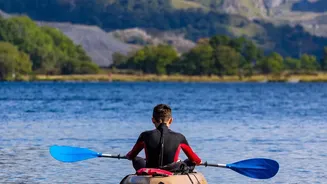
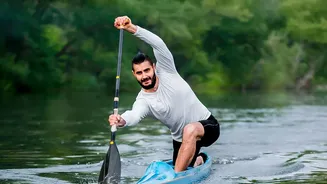
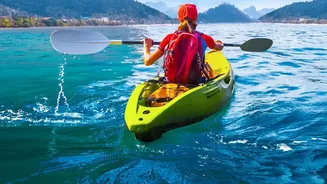
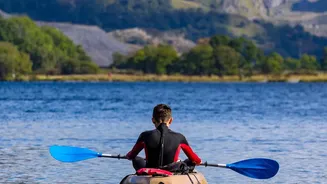
Similarly, an efficient kayak stroke has very little to do with arm strength. Expert paddlers generate almost all of their power from torso rotation. The sequence involves planting the paddle blade in the water near the feet, then using the large muscles of the core and back to rotate the torso, effectively pulling the boat past the paddle. Your arms and shoulders simply act as a frame to connect the paddle to your powerful core. This rotational movement is impossible without good mobility. A stiff lower back or tight hips will prevent a paddler from winding up the torso like a spring before the stroke. This limitation forces them to compensate by pulling with their arms, which are smaller muscles that fatigue quickly. Progress stalls not because the person lacks strength, but because they lack the specific mobility to perform the technique correctly.
The Mobility Bottleneck
In both activities, a lack of mobility creates a clear bottleneck that no amount of effort can overcome. Mobility is the ability to move a joint actively through its full range of motion. If your thoracic spine can't rotate, you cannot achieve a powerful kayaking stroke. If your hips are too tight to allow you to sink and shift your weight, your Tai Chi form will be compromised. This is why two people with similar strength levels can have vastly different rates of progress. The individual with greater mobility has access to more efficient movement patterns. They can engage the correct muscles—the powerful core and leg muscles—while the person with limited mobility is stuck using smaller, less efficient muscles in their arms and shoulders. This leads not only to slower progress but also a higher risk of strain and injury.
Unlocking Your Potential
The good news is that mobility is not a fixed trait. Both Tai Chi and kayaking are not just activities that demand mobility; they are excellent ways to build it. Tai Chi is proven to enhance flexibility, balance, and proprioception—your body's awareness of its position in space. Regular practice gently lubricates the joints and teaches the body to move as an integrated unit. For kayaking, incorporating specific stretches that target thoracic and hip rotation can dramatically improve your stroke and endurance. Thinking of these activities as a way to cultivate mobility, rather than just perform a skill, reframes the entire learning process. Progress becomes less about 'getting it right' and more about listening to your body and gradually expanding its capacity for free and easy movement.