





The Sweetener Maze
Walk down any supermarket aisle and the choices are dizzying. From classic white sugar to 'natural' alternatives like honey and jaggery, and a growing list of artificial or plant-based sweeteners like stevia and aspartame, it's easy to get lost. We're
often told to cut down on added sugars, which can contribute to weight gain and increase the risk for health issues like type 2 diabetes and heart disease. In response, many people turn to low or zero-calorie sweeteners. These can be a helpful tool, especially for those managing diabetes, as they don't typically raise blood sugar levels. But the conversation often gets stuck on which single sweetener is 'best' or 'worst', creating confusion and anxiety around our food choices.
Zoom Out: The Power of Dietary Patterns
Nutrition science is increasingly shifting its focus from single nutrients to overall dietary patterns. Think of your diet as a house. Obsessing over whether the doorknob is made of brass (sugar) or chrome (a sweetener) is pointless if the foundation is crumbling. A dietary pattern is the sum of all your food and drink choices over time. Recent scientific statements from major health bodies like the American College of Cardiology emphasize that heart health depends more on the overall quality and pattern of your diet than on the specific percentage of carbs or fats. A diet rich in minimally processed foods—vegetables, fruits, whole grains, and lean proteins—builds a strong foundation for health. Within such a diet, the specific choice of sweetener has far less impact.
The Psychology of 'Good' and 'Bad' Foods
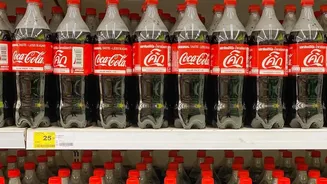
Labeling one ingredient as a villain can backfire. Adding a 'sugar-free' label to a product doesn't automatically make it healthy. This can create a 'health halo,' where we feel justified in eating an entire packet of 'diet' biscuits because they don't contain sugar, ignoring the fact that they may still be highly processed and lack nutritional value. Conversely, some studies have noted that consumers of artificial sweeteners sometimes have lower-quality diets overall, a phenomenon known as reverse causation; people who are already struggling with weight or have less healthy diets may be more likely to reach for diet products in the first place. The key is not to let one choice, like using a sweetener, give you a false sense of security or distract from the bigger picture of your eating habits.
So, How Should You Choose Your Sweetener?
Your choice of sweetener should be a practical one, based on your individual health goals and circumstances. If you are managing diabetes, a non-nutritive sweetener that doesn't spike blood sugar can be a very useful tool. If your primary goal is reducing overall calorie intake for weight management, using a low-calorie sweetener in your morning chai instead of sugar can contribute to that goal, provided the rest of your diet is balanced. However, it's important to use them in moderation. The World Health Organization (WHO) advises that non-sugar sweeteners are not a long-term solution for weight control and that people should aim to reduce the overall sweetness of their diet. Ultimately, no sweetener is a magic bullet, and its context within your whole diet is what counts.
Building a High-Quality Diet First
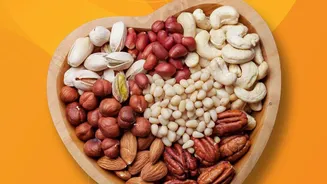
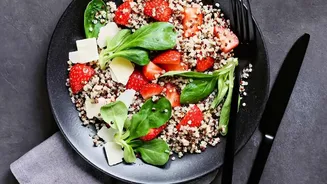
Instead of fixating on sweeteners, focus on building a diet that is nutrient-dense and satisfying. Prioritize whole foods that are minimally processed. This includes a variety of colourful vegetables and fruits, whole grains like millets, oats, and brown rice, legumes such as lentils and chickpeas, and lean protein sources. These foods provide essential vitamins, minerals, and fibre, which are crucial for good health. When you build your meals around these nourishing foods, the small amount of sweetener you might add for taste becomes a minor detail. The goal is to create a sustainable, enjoyable eating pattern that supports your well-being in the long run, rather than chasing short-term fixes or demonizing single ingredients.