







A Breath of Fresh Data
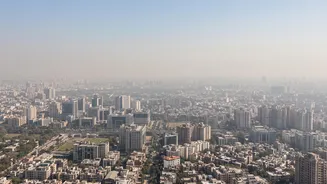
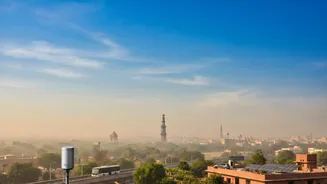
A recent report by the UN Environment Programme (UNEP) and the Climate and Clean Air Coalition offers a stark but hopeful projection for Delhi's toxic air. Titled 'Hidden Assets: The Economic and Health Case for Climate and Clean Air Action', the study
claims that if Delhi achieves its national air quality standards on schedule from 2026, it could reduce its residents' exposure to harmful PM2.5 particles by 20% by the year 2040. PM2.5 refers to fine particulate matter 2.5 micrometers or smaller in diameter, which can penetrate deep into the lungs and enter the bloodstream, causing severe health issues. This potential 20% reduction represents a significant public health opportunity, offering a tangible goal in the long-running battle against air pollution.
The High Cost of Delay
The report's optimistic forecast comes with a critical warning: time is of the essence. The study cautions that an implementation delay of about eight years—which is the expected global average for such large-scale initiatives—would have severe consequences. In such a scenario, the potential reduction in PM2.5 exposure would be halved, dropping to a mere 10%. This would translate into substantially greater health impacts and economic costs for the city and its people. The message is clear: the window for meaningful action is now. Institutional barriers are cited as the single biggest contributor to such delays, highlighting the need for streamlined governance and political will to turn plans into progress.
The 25-Step Blueprint for Action
The UNEP report is not just a warning; it's a roadmap. It identifies 25 specific, feasible solutions that can simultaneously tackle air pollution and climate change. These are not futuristic fantasies but existing, actionable measures. The recommendations span several key sectors. They include a rapid transition to renewable power, widespread energy efficiency improvements, and scaling up clean cooking and heating technologies. For a city choked by traffic, the report calls for stricter vehicle emission and efficiency standards, robust inspection and maintenance programs, and a decisive shift towards electric vehicles. Other crucial interventions target waste management, agricultural practices like crop residue burning, and industrial emissions.
Beyond Health: The Economic Case
While cleaner air means healthier lives, the report also frames the transition in compelling economic terms. The analysis estimates that globally, implementing the 25 recommended measures would yield annual economic benefits equivalent to 4.5% of the world's GDP by 2050. Conversely, every year of delay costs more than $1.5 trillion in forgone benefits. For India, this presents a dual opportunity: to protect its citizens' health while unlocking significant economic growth. Investing in green infrastructure, from electric public transport to efficient waste management systems, creates jobs and stimulates innovation, proving that a healthy environment and a robust economy can go hand in hand.