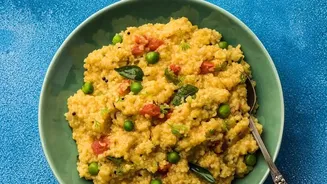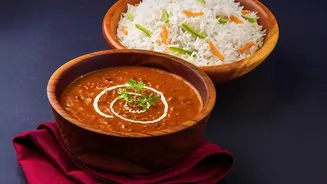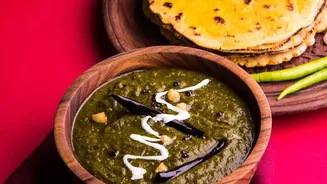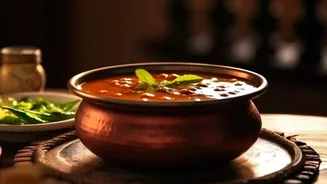







The Core Principles of Sawan Fasting
Across India, the spiritual goal of the Sawan fast is the same: to foster a sattvic or pure state of mind and body. This generally involves abstaining from non-vegetarian food, including eggs, and avoiding alcohol. Many devotees also eliminate onion and garlic,
which are considered rajasic and tamasic, meaning they are believed to create restlessness. Regular table salt is swapped for sendha namak (rock salt), a less processed alternative. Beyond these common threads, however, the Sawan plate begins to look dramatically different depending on geography and family customs.
Northern India's Vrat Staples
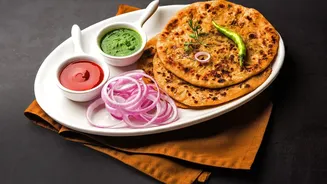
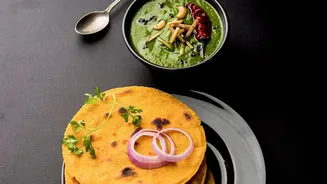
In North Indian states like Uttar Pradesh, Punjab, and Rajasthan, the fast is heavily reliant on specific flours and starches. Wheat and rice are typically avoided, making way for vrat-friendly alternatives like kuttu (buckwheat flour), singhara (water chestnut flour), and rajgira (amaranth flour). These are used to make puris, rotis, and cheelas. Sabudana (tapioca pearls) is another hero ingredient, most famously prepared as Sabudana Khichdi, a comforting dish with potatoes, peanuts, and mild spices. Samak rice, also known as barnyard millet, serves as a popular rice substitute for pulaos and kheers. Dairy products like milk, paneer, and curd are also consumed widely, providing protein and sustenance.
Western India's Monsoon Bounty
Moving west to Maharashtra and Gujarat, the Shravan diet showcases a different array of ingredients. While sabudana and samak rice (known as 'vari') are still popular, there's a greater emphasis on peanuts, fresh coconut, and various tubers. In Maharashtra, you might find Rajgira Thalipeeth, a flatbread made from amaranth flour, potatoes, and crushed peanuts. Gujarat's 'farali' (fasting) menu includes dishes like Farali Pattice, a fried potato patty stuffed with a sweet and spicy mixture of coconut and nuts. The use of ingredients like bottle gourd (lauki), sweet potato (ratali), and pumpkin is common in simple vegetable preparations.
Southern Traditions and Different Timings
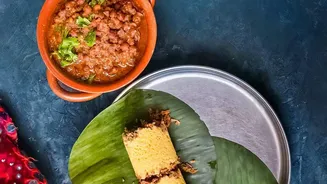
In Southern India, the month, known as Shravana Masam, often starts about 15 days later due to a different lunar calendar. Here, the dietary staples are naturally different. While the core idea of simple, vegetarian food remains, the ingredients reflect the region's agriculture. Rice is more central to the cuisine, and steamed dishes are common. Freshly grated coconut is used generously, and instead of heavy wheat-based breads, you'll find lighter preparations. Depending on community and family tradition, some may consume lentils, while others avoid them. The focus is often on fresh vegetables and simple preparations that are easy on the digestive system during the humid monsoon season.
The Practical Wisdom Behind the Rules
Many of Sawan's dietary restrictions have a practical, seasonal logic rooted in Ayurveda and pre-modern food safety. For instance, leafy green vegetables are often avoided during the monsoon because the damp conditions can lead to a higher concentration of insects and microbes, making them harder to clean. Ayurveda also suggests that our digestive fire (agni) is weaker during this season, making it wise to avoid heavy, oily, and hard-to-digest foods. The avoidance of fish in many regions also aligns with the monsoon being the breeding season for many species, a tradition that helps preserve ecological balance.