







What is E20 Fuel and Why is it Here?
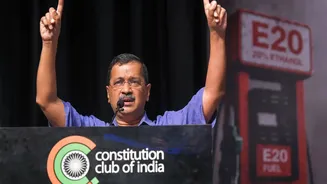
E20 is a blend of 80% petrol and 20% ethanol. India has rapidly transitioned to this blend, achieving a nationwide rollout by 2025, years ahead of the original schedule. The government's push for E20 has three main goals: reducing the country's expensive
oil import bill, lowering vehicle emissions, and providing an additional income stream for farmers who grow the crops used for ethanol production, such as sugarcane and maize. This policy is seen as a strategic move for India's long-term energy security and environmental health. While the change brings national benefits, it also introduces new considerations for individual car owners.
The Mileage Question: A 3-5% Drop Explained
The central concern for many drivers is fuel efficiency, or 'mileage'. The government has acknowledged in Parliament that E20 petrol may reduce fuel efficiency by around 3-5% in some older vehicles that were originally designed for E10 (10% ethanol) fuel. The science behind this is straightforward: ethanol has a lower energy density than petrol. This means that for every litre, E20 contains slightly less energy than older fuel blends. An engine must burn a bit more of this fuel to produce the same amount of power, resulting in a marginal drop in the kilometres you can travel on a full tank. While this dip is official, some drivers have reported higher drops, which could be influenced by other factors like driving style, vehicle maintenance, and fuel quality.
Is Your Car At Risk? Identifying Older Vehicles
The key question is whether your specific car is affected. As a rule of thumb, petrol vehicles manufactured in India from April 2023 onwards are required to be fully E20-compliant. Many manufacturers began incorporating E20-compatible materials even before this deadline. The vehicles most likely to experience the mileage dip and other potential issues are those manufactured before this period, particularly models made before 2018. For these non-compliant cars, there are concerns that prolonged use of E20 could potentially accelerate the wear of some rubber and plastic components in the fuel system, such as hoses and seals. However, the government and major car manufacturers have stated that extensive testing and real-world data from millions of vehicles have shown no evidence of widespread engine damage or breakdowns linked to E20 fuel.
How to Check Your Car’s Compatibility
Determining if your car is E20-ready is simple. The first place to look is your vehicle’s owner's manual, which should specify the recommended fuel and maximum ethanol blend. Another clear indicator is a sticker, usually found on the inside of the fuel filler cap, explicitly stating that the vehicle is E20 compliant. If you can't find this information, the most reliable method is to contact your car manufacturer's authorised service centre. They can confirm your vehicle's compatibility based on its model and manufacturing year, providing you with definitive peace of mind.
Calculating the Real-World Cost
A small percentage drop might not sound like much, but the extra cost can add up over time. Let’s take a hypothetical example. Consider a car that delivers a real-world mileage of 15 km/l. If it experiences a 5% mileage drop due to E20 fuel, its efficiency would decrease to 14.25 km/l. For an owner who drives 1,000 kilometres a month, they would need an extra 4.7 litres of petrol to cover the same distance. At a petrol price of around ₹102 per litre, this translates to an additional running cost of nearly ₹480 per month, or about ₹5,760 over a year. While this figure varies based on the car, driving habits, and exact mileage drop, it highlights a tangible increase in running expenses that owners of older cars may need to budget for.
What Are Your Options?
Since E20 is now the standard petrol available across the country, finding lower ethanol blends is not a practical option. The government has clarified there are no plans to revert to E10 or E0 (pure petrol) as it would create complex logistical challenges. For owners of non-compliant cars, the best course of action is diligent maintenance. Pay close attention to your vehicle's performance. Regular servicing, including checks of the fuel filter, fuel lines, and injectors, is more important than ever. If you notice a significant drop in mileage or any performance issues like rough idling or difficulty starting, get your car inspected by a trusted mechanic. While manufacturers assure that their cars have safety margins built in, staying proactive is the key to ensuring your older vehicle runs smoothly for years to come.