








The Myth of the Magic Ingredient
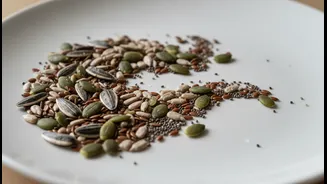
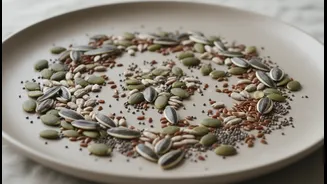
We've all seen the headlines proclaiming the latest 'superfood' that will erase wrinkles or clear up acne overnight. From chia seeds to goji berries, the wellness industry often promotes single ingredients as miraculous solutions. While many of these
foods are indeed nutritious, they aren't magic. True skin health is a complex process that relies on a wide array of vitamins, minerals, and compounds working together. Focusing on one element, no matter how potent, is like trying to build a house with only one type of material. You might have the best bricks in the world, but without mortar, wood, and wiring, you won't get very far. This single-minded approach overlooks the most crucial factor in skin health: nutrient synergy.
The Power of the Pattern
Nutrient synergy is the concept that nutrients work better together than they do in isolation. For example, Vitamin C not only functions as a powerful antioxidant but also helps regenerate Vitamin E, another key antioxidant for skin protection. It’s also essential for collagen synthesis, the protein that keeps skin firm and plump. Similarly, healthy fats, like the omega-3s found in fatty fish, help your skin stay moist and flexible by maintaining its natural oil barrier. This intricate teamwork happens when you consume a varied diet. Research increasingly points to overall dietary patterns, rather than individual nutrients, as the biggest influence on skin health and aging. The complex interplay between all the components of your diet is what provides the foundation for resilient, healthy skin.
What a Skin-Healthy Diet Looks Like
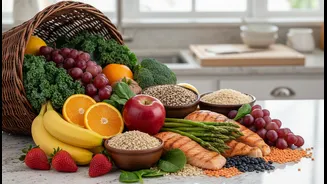
Instead of zeroing in on one 'miracle' food, aim to adopt a dietary pattern proven to support overall wellness. The Mediterranean diet is frequently cited by dermatologists as beneficial for skin. It is naturally rich in fruits, vegetables, lean proteins, whole grains, and healthy fats. This eating style helps combat two of the primary drivers of skin aging: inflammation and glycation. Glycation is a process where sugar molecules attach to proteins like collagen, making them stiff and leading to wrinkles. A diet high in refined sugars and processed foods can accelerate this process. In contrast, a diet based on whole foods provides a steady stream of antioxidants, which help neutralize damage from UV exposure and pollution, and supports a healthy gut microbiome, which is closely linked to skin conditions like acne and eczema.
Key Building Blocks for Your Plate
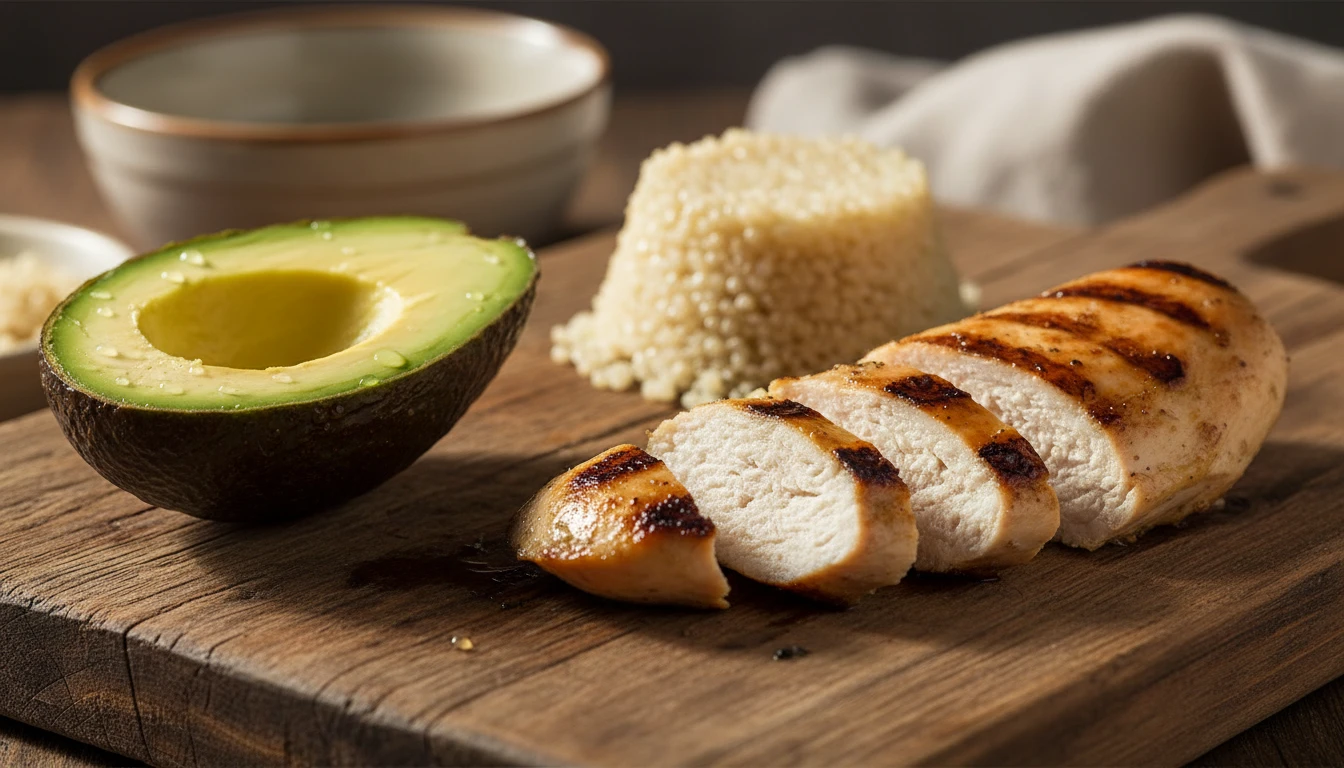
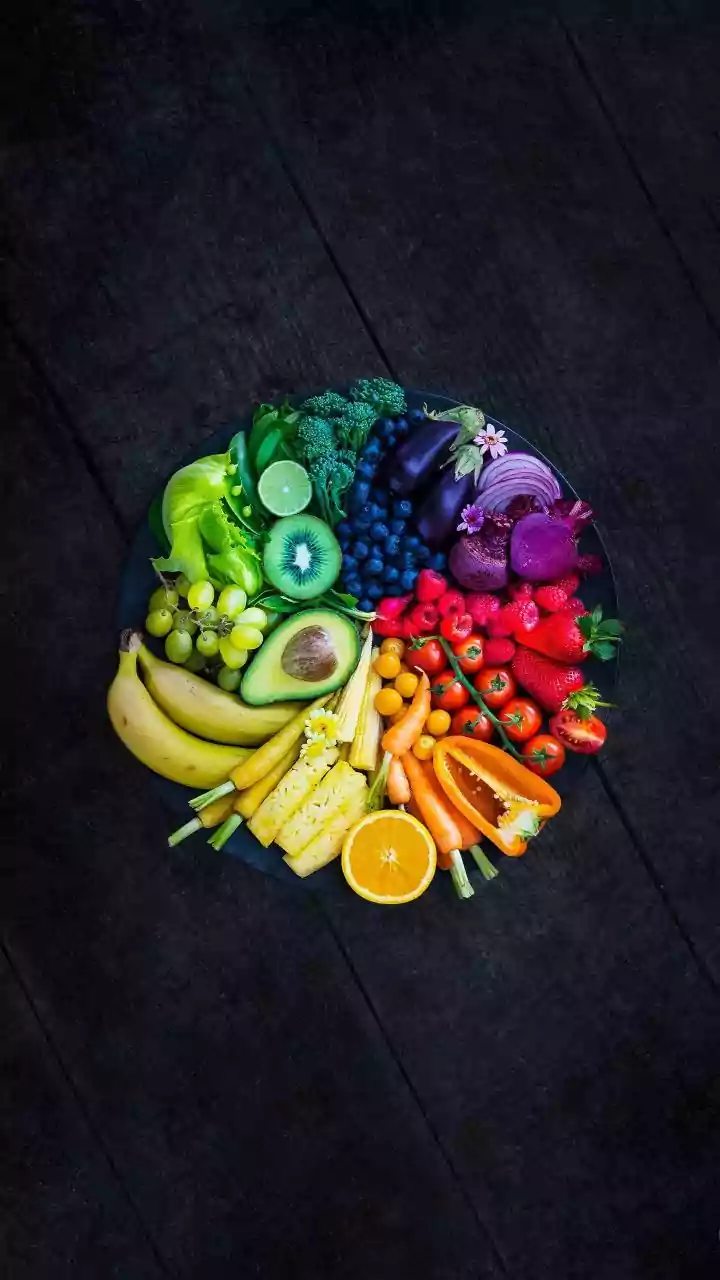
Building a skin-supportive diet means thinking in terms of food groups, not just single nutrients. Fill your plate with a rainbow of fruits and vegetables to ensure a wide variety of antioxidants. Think bell peppers and citrus for Vitamin C, leafy greens for Vitamin A, and tomatoes for lycopene. Incorporate healthy fats from sources like avocados, nuts, seeds, and olive oil. Don’t forget lean protein from fish, poultry, beans, and lentils, which provides the essential amino acids needed to build and repair skin tissues, including collagen. And finally, choose whole grains over refined carbohydrates to help stabilize blood sugar and reduce the risk of glycation.
Beyond the Diet
While nutrition is a cornerstone of skin health, it is part of a larger picture. Chronic stress, poor sleep, and inadequate hydration can all sabotage your efforts. Water is essential for maintaining skin elasticity and flushing out toxins. Aim for consistent hydration throughout the day, which you can supplement with water-rich foods like cucumber and melon. Likewise, a good night's sleep gives your skin time to repair and regenerate. Think of your diet as the fundamental building block, supported by other healthy lifestyle habits. It’s this holistic approach—combining a balanced diet with proper hydration, rest, and stress management—that truly creates lasting skin health from the inside out.