




A Government Scheme for a Street Food Icon
The Uttar Pradesh government's 'One District, One Dish' (ODOD) initiative, inspired by the broader 'One District, One Product' (ODOP) program, aims to give each district a unique culinary identity. For Prayagraj, the chosen dish is the samosa. This isn't
just a symbolic title; it comes with tangible government support. The scheme facilitates financial assistance and training for entrepreneurs to establish new units or expand existing ones, turning a beloved local snack into a more organised commercial brand. The goal is to boost local employment, standardize hygiene, improve packaging, and ultimately promote the dish on a national and even global stage. According to official estimates, this initiative is expected to benefit hundreds of manufacturers, vendors, and restaurants, potentially creating over 1,500 jobs.
What Makes a Prayagraj Samosa?
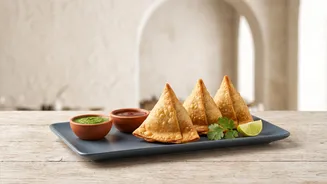
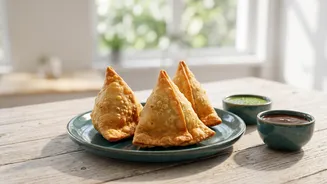
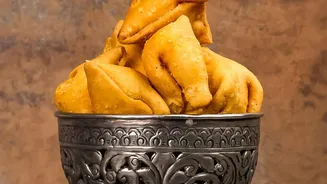
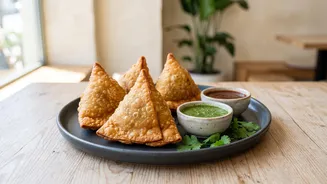
To understand why crowning a single 'best' samosa in Prayagraj would be a mistake, one must first appreciate its diversity. The city's relationship with the snack goes far beyond the standard potato-and-pea filling known across India. For instance, legacy establishments like Hari Ram and Sons, serving the city for over a century, are famous for their mini masala samosas, which omit the potato filling in favour of a unique, long-lasting spice blend. Then there are the bustling counters at places like Hira Halwai and Green Sweet House, each with their own loyal following and subtle variations in taste and texture. From tiny, bite-sized one-rupee samosas sold by street vendors to classic potato-filled versions served with a signature chutney, the 'Prayagraj samosa' is not one entity but a spectrum of flavours. The official recognition wisely encompasses all these forms, from savoury to sweet, acknowledging that the city's culinary identity is a mosaic.
More Than Just a Snack
The selection of the samosa was a deliberate, researched process involving culinary experts, historians, and local business owners. It was chosen because it represents the city's everyday food culture, a snack that transcends social and economic lines. It's a breakfast staple paired with dahi-jalebi for some, an evening tea companion for others, and a constant presence in the city's educational and cultural hubs. The snack's history itself is a story of adaptation. Originally from Persia, it arrived in India centuries ago, where it was transformed from a meat-filled pastry into the largely vegetarian delicacy it is today, with the potato filling becoming popular much later. By promoting the samosa, Prayagraj is celebrating a piece of living history that has been thoroughly Indianised and woven into the fabric of daily life.
The Wisdom of Celebrating Diversity
By refusing to anoint a single shop or a specific recipe as the 'official' best, the ODOD initiative in Prayagraj sets a powerful precedent. It acknowledges that a city's flavour lies in its variety, not in a standardised, uniform product. This approach prevents the commercial marginalisation of smaller, traditional vendors who might lose out if a single, dominant brand were promoted. Instead, it elevates the entire ecosystem—from the 136-year-old legacy shops to the humble street cart. The focus is on improving the collective quality, packaging, and market access for all, allowing consumers to discover the rich tapestry of samosas the city has to offer. It's a strategy that preserves authenticity while fostering economic growth, ensuring that the soul of the city's most beloved snack remains intact.