





An Engineering Feat Through Nature's Best
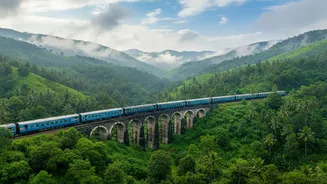
Stretching over 750 kilometres, the Konkan Railway connects Maharashtra, Goa, and Karnataka, weaving a path through some of India's most challenging yet beautiful terrain. Considered a marvel of engineering, the route features over 2,000 bridges and more
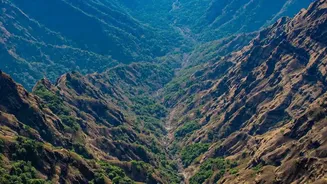
than 90 tunnels, including the 6.5 km long Karbude tunnel. This single-track line cuts through dense forests, crosses wide rivers, and skirts the Arabian Sea, setting the stage for a dramatic visual spectacle. The journey itself becomes the destination, but its character transforms completely depending on when you choose to travel.
Monsoon: A Symphony in Green and Grey
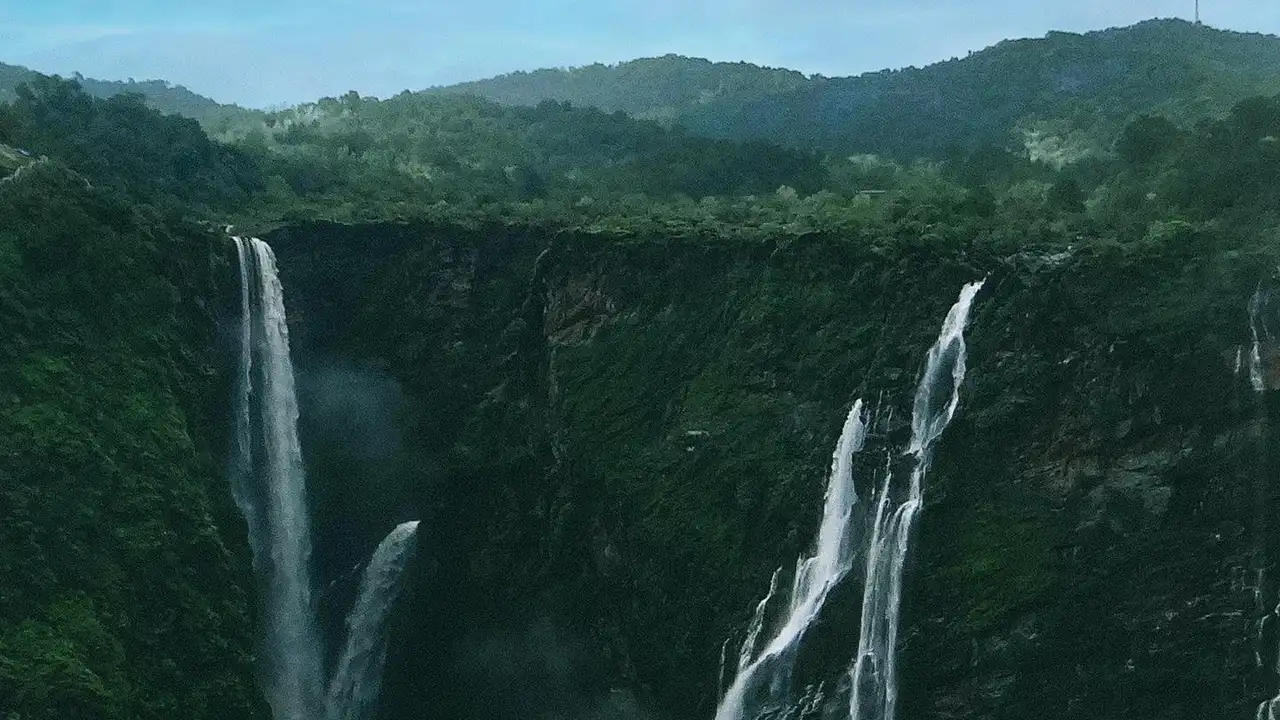
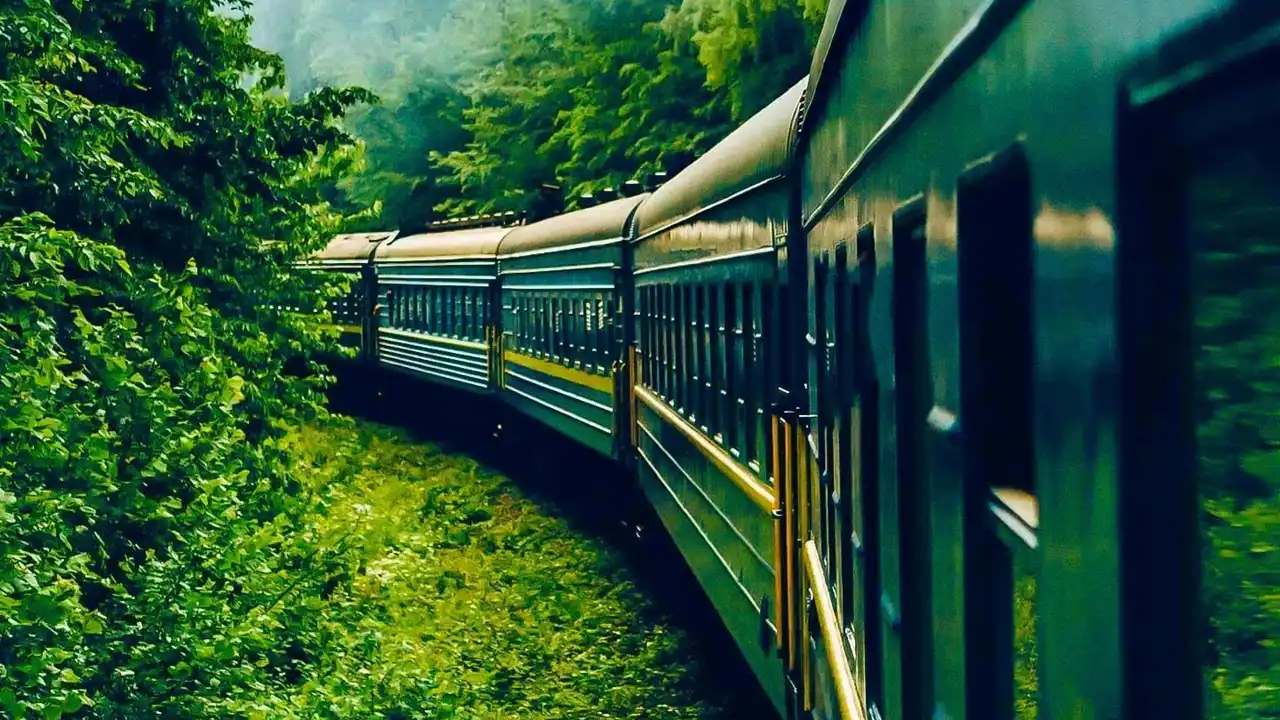
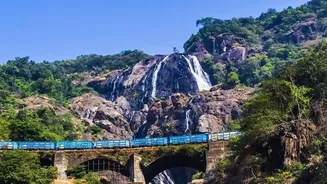
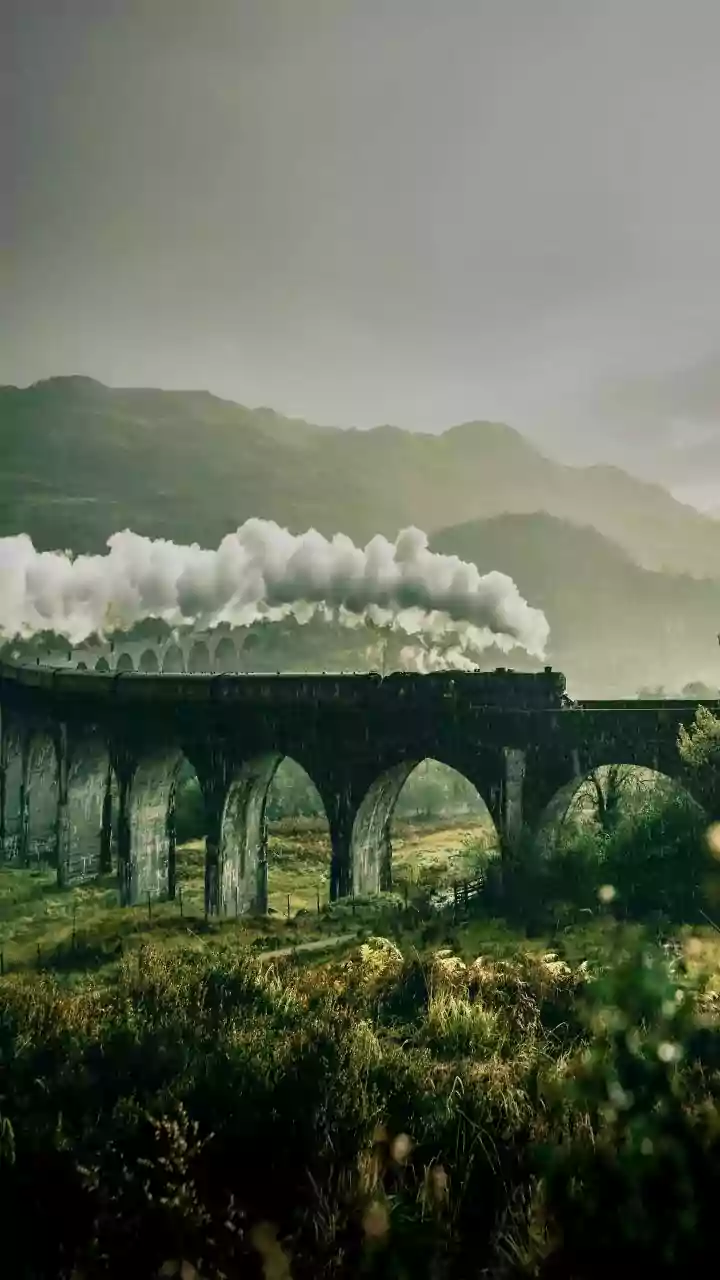
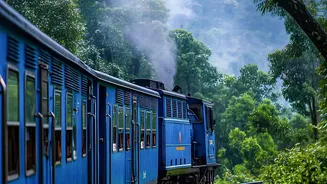
To travel the Konkan Railway during the monsoon (June to October) is to witness nature in its most dramatic and untamed form. The landscape undergoes an emerald transformation, with every shade of green blanketing the hills and valleys. The persistent rain feeds countless seasonal waterfalls, which cascade down rock faces, sometimes appearing just metres from the train tracks. Rivers like the Sharavathi and Vashishti swell, their waters churning below the viaducts the train crosses. A curtain of mist often shrouds the peaks of the Western Ghats, creating a mysterious and ethereal atmosphere. Passengers are treated to a dynamic show of low-lying clouds, dramatic grey skies, and the relentless, soothing sound of rainfall, making a simple cup of tea by the window feel like a scene from a movie.
The Thrill of a Rain-Soaked Ride
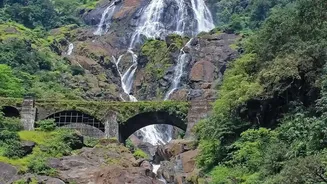
While the monsoon journey is breathtaking, it also comes with its own set of considerations. Konkan Railway implements a special monsoon timetable, often with reduced speeds, to ensure passenger safety amid challenging weather conditions. The rain can be relentless, and while it creates spectacular sights like the famous Dudhsagar Falls (a slight detour but a monsoon highlight) and countless other temporary cascades, it can also obscure distant views. However, for many, this is the main attraction. It’s a chance to feel completely immersed in the season, watching paddy fields turn into reflective pools of water and villages huddle under a fresh, green canopy. The experience is less about seeing specific landmarks and more about feeling the powerful, rejuvenating spirit of the Indian monsoon.
Winter: A Canvas of Mist and Sunshine
When the rains recede, a different kind of magic settles over the Konkan coast. The winter months, from November to February, are traditionally considered the ideal time for travel due to the pleasant weather. The oppressive humidity of the coast gives way to comfortable temperatures, clear skies, and a gentle sun. The journey is defined by crisp, clear vistas. The lush greenery left behind by the monsoon remains, but now it is bathed in a soft golden light. Early mornings are often kissed with a delicate layer of fog, especially in the valleys, creating picture-perfect moments as the sun rises, gradually burning away the mist to reveal the landscape in sharp detail.
Clarity, Comfort, and Coastal Charm
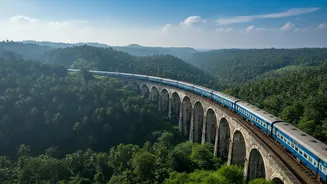
Winter travel on the Konkan Railway is an experience of clarity and serenity. Without the veil of rain and mist, the sheer scale of the engineering and the natural beauty is fully appreciable. You can gaze across sunlit rivers, see the intricate details of quaint villages, and enjoy unbroken panoramic views of the coastline. The Arabian Sea sparkles, and the backwaters of Goa and Karnataka appear calm and inviting. This season is perfect for photography, allowing you to capture the stunning architecture of bridges like the Panval Nadi viaduct against a clear blue sky. It is a more relaxed and predictable journey, focused on soaking in the vast, serene, and colourful panoramas the route has to offer.