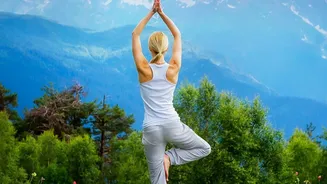




The Inward Journey: Yoga's Grip on Stress
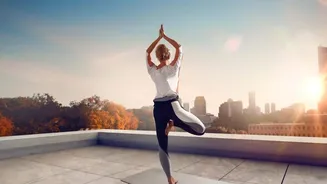
Yoga, an ancient Indian practice, is renowned for its calming effect on the mind and body. Its power lies in a holistic approach that combines physical postures (asanas), controlled breathing (pranayama), and meditation. This trio works together to regulate
the body's stress response. Scientific evidence shows that yoga helps activate the parasympathetic nervous system, shifting you from a state of 'fight-or-flight' into 'rest-and-digest'. This physiological shift can lead to a lower heart rate, reduced blood pressure, and a profound sense of calm. The practice encourages an inward focus, teaching you to observe your thoughts without judgment and become more attuned to your body's signals of tension.
The Science of Yogic Calm
The benefits of yoga aren't just a feeling; they are measurable. Numerous studies have demonstrated that a regular yoga practice can significantly lower levels of cortisol, the body's primary stress hormone. Beyond cortisol, research indicates that yoga can increase levels of gamma-aminobutyric acid (GABA), a neurotransmitter that helps calm the nervous system and is often low in people with anxiety disorders. The physical movements themselves help to release stored muscular tension, while the focus on deep, intentional breathing has been shown to improve heart rate variability, a key indicator of your body's ability to manage stress. Experts note that this combination of physical release and mental focus makes yoga an exceptionally effective tool for managing the chronic, low-grade stress of daily life.
The Outward Escape: Trekking Nature's Reset Button
While yoga turns the focus inward, trekking pulls your attention outward to the natural world. Hiking is a powerful form of 'green exercise' that provides both a physical workout and a mental reprieve. Being in nature has been shown to reduce stress, calm anxiety, and lower the risk of depression. The simple act of walking in a natural environment can decrease rumination—the pattern of repetitive negative thoughts often associated with stress. Neurological studies have found that spending time in nature can reduce activity in the parts of the brain linked to this negative thinking. The grandeur of a mountain view or the quiet of a forest trail can inspire a sense of awe, which helps put personal worries into perspective and provides a much-needed mental reset.
The Head-to-Head: Which Is Better for You?
So, which should you choose? The answer depends on your personality, resources, and the type of relief you're seeking. Accessibility: Yoga wins for convenience. It can be practiced anywhere with just a mat, and online classes are abundant. Trekking requires access to trails, more time, and potentially more gear. Physicality: Trekking is primarily a cardiovascular workout that builds lower-body strength and endurance. Yoga, while variable in intensity, generally focuses on improving flexibility, balance, and core strength through low-impact movements. Mindset: If your stress manifests as mental clutter and a feeling of disconnection from your body, yoga's inward focus can be profoundly centering. If you feel trapped by your environment and need a change of scenery to clear your head, the outward focus and sensory experience of trekking might be more beneficial. Social Aspect: Both can be solitary or social. However, group yoga classes can foster a sense of community, while trekking can be a way to bond with friends or family away from daily distractions.
The Expert Verdict: Better Together?
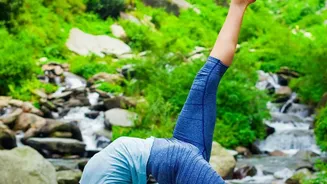
Most wellness experts don't see this as a strict either/or choice. In fact, many argue that yoga and trekking are complementary practices. Yoga builds the strength, balance, and flexibility that can prevent injuries and improve performance on the trail. Its breathing techniques are invaluable for managing exertion during a steep climb. Conversely, the cardiovascular benefits of trekking support the heart health that yoga also promotes. Some experts suggest using yoga for daily stress maintenance and reserving trekking for deeper, more restorative resets. Studies have even shown that combining mindfulness practices like yoga with physical activity in nature can be more effective for improving mental health than either activity alone.