


More Than Just Stacking Rocks
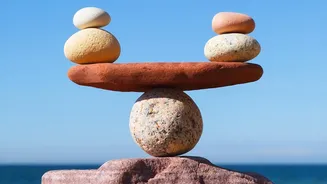
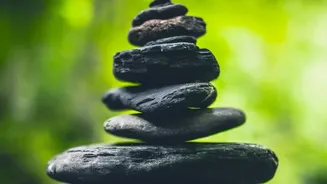
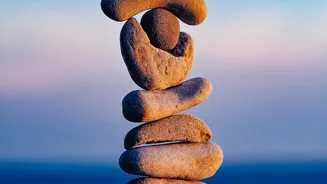
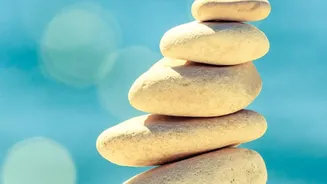
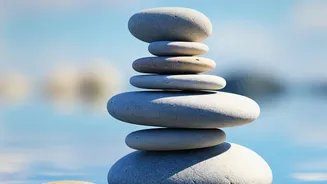
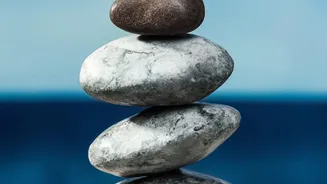
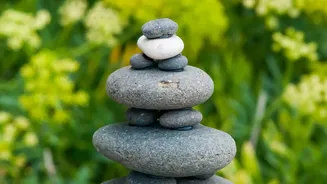
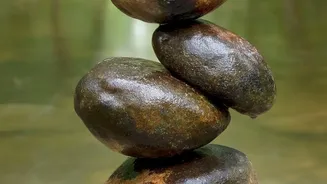
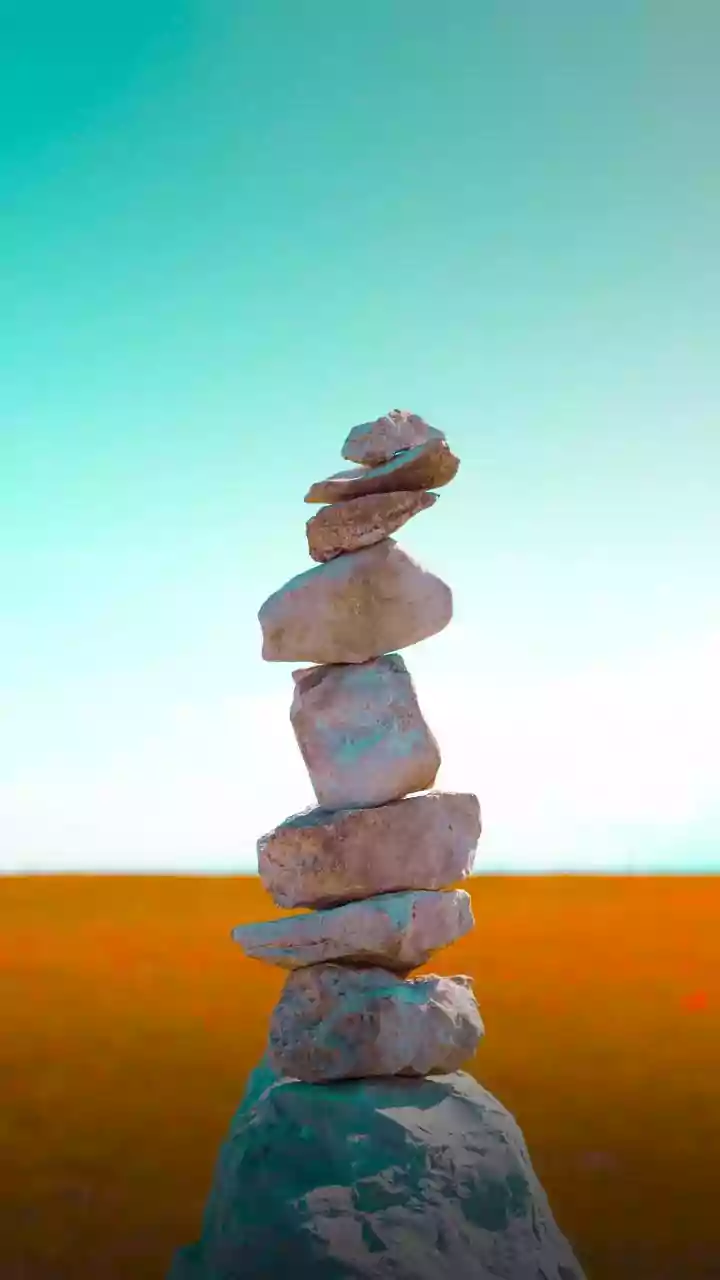
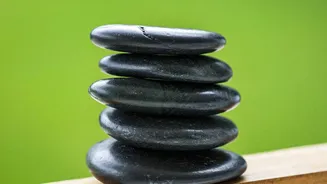
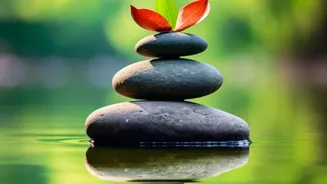
At its core, stone balancing is the practice of arranging stones in improbable, gravity-defying formations without any aids like glue or wires. It’s an art form and a meditative practice that relies purely on finding the natural balance points of each
rock. Practitioners don't just pile stones; they feel for the minute indentations and points of friction that allow one rock to lock into another. This requires finding at least three points of contact for stability, creating a structure that seems to defy logic but is rooted entirely in physics and intuition. It’s this blend of physical laws and present-moment awareness that transforms a simple pastime into a profound mental exercise.
A Dance of Focus and Coordination
To balance a stone, your mind must become exceptionally quiet. The practice demands intense concentration and precise hand-eye coordination. You have to be fully present, observing how the rock leans and feeling the tiny vibrations as it scrapes against its base. This process of making micro-adjustments silences the usual mental chatter, drawing you into a deep state of focus often described as a “flow state.” Over time, this sharpens your ability to concentrate on tasks in daily life and improves fine motor skills and dexterity. The deep engagement required is a form of moving meditation, connecting your mind and body in a singular, focused purpose.
The Inevitable Collapse and What It Teaches
In stone balancing, failure is not just a possibility; it's a certainty. A slight breeze or an unsteady hand can bring a carefully constructed tower tumbling down in an instant. Yet, this is where one of the most important lessons lies: letting go. Practitioners learn to detach from the outcome and embrace the impermanence of their creations. Many artists even make a point of knocking over their own sculptures after documenting them, reinforcing the idea of non-attachment. This process teaches resilience and perseverance, as you learn to calmly begin again, not with frustration, but with the experience gained from the previous attempt. It’s a powerful metaphor for navigating life's setbacks with grace.
Patience as an Active, Engaged State
This brings us to the true meaning of patience. Stone balancing reveals that patience isn't about passively waiting for something to happen. It's an active, engaged state of being. It’s the ability to be fully present with a challenge, to listen, and to respond with care rather than force. You cannot rush a stone into balance; you must be patient, listen to what the rock is telling you through its weight and texture, and gently guide it to its point of equilibrium. This redefines patience as a form of wisdom and perseverance, a quiet confidence that a solution will emerge through steady, mindful effort. It is the antidote to the anger and frustration that arise when things don't go according to our plans.
Bringing Balance into Everyday Life
The skills cultivated through stone balancing extend far beyond a riverbank or quiet garden. The deep focus learned can be applied to complex work projects. The hand-eye coordination gained benefits other physical activities. Most importantly, the active patience it teaches can transform how we approach our relationships and daily frustrations. When faced with a difficult situation, instead of reacting with impatience, we can learn to pause, observe, and act with the same mindful intention used to place a stone. The practice encourages you to be present, reduce stress, and find a sense of inner calm amid the chaos of modern life.