




Embracing the Pucker
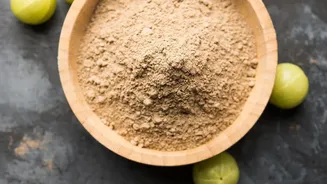
Amla is a fruit of contradictions. Revered in Ayurveda for its immense health benefits, its flavour profile can be polarizing. The initial taste is a wave of pure sourness, quickly followed by a dry, mouth-puckering astringency and a bitter undertone.
It's an intense experience that can be off-putting if you're unprepared. In fact, Ayurveda recognizes amla as one of the few substances to contain five of the six tastes: sour, astringent, pungent, bitter, and sweet. That final sweet note often reveals itself as a surprising, pleasant aftertaste, especially when you drink water after eating the raw fruit. This complexity is precisely what makes amla a dynamic ingredient in the kitchen. Instead of fighting its assertive nature, Indian culinary traditions have taught us to embrace and balance it.
The Culinary Art of Balance
Great cooking is often a balancing act. In many cuisines, sourness is a key component used to cut through richness, lift heavy flavours, and brighten a dish. A squeeze of lemon over fried fish or the tang of vinegar in a salad dressing serves this exact purpose. Amla's sourness, composed of citric acid and other compounds, functions similarly but with a unique Indian identity. The key is to not let it dominate. By pairing it with contrasting flavours, you can tame its sharp edges and allow its more complex, fruity notes to shine. The two most effective partners for amla are sweetness and spice, which work together to create a harmonious and deeply satisfying taste experience.
Sweetness: The Perfect Counterpoint
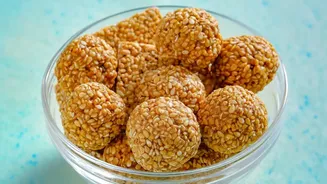
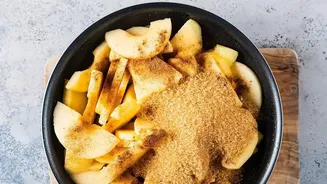
Sweetness is the most direct and effective way to mellow amla's intense sourness. When the sharp acidity of the gooseberry meets sugar or jaggery, a chemical and sensory transformation occurs. The sweetness doesn't just mask the sour; it complements it, creating a classic sweet-and-sour profile that is beloved across the world. The most famous example of this pairing is Amla Murabba, a preserve where whole or grated gooseberries are slow-cooked in a sugary or jaggery-based syrup. The process softens the fruit and allows it to absorb the sweetness, resulting in a tender, translucent, and jewel-like condiment that is both a treat and a traditional remedy.
Spice: Turning Up the Heat
If sweetness provides balance, spice provides a thrilling contrast. The pungent heat from ingredients like red chillies, black pepper, ginger, and mustard seeds creates a vibrant interplay with amla's sour tang. This combination is the foundation of countless Indian pickles (achaar) and chutneys. In an amla pickle, the fruit is often boiled until tender, then mixed with a potent combination of oil, salt, and spices like fenugreek, mustard, and chilli powder. The salt helps to preserve the fruit while also toning down bitterness, the oil carries the flavours, and the spices add layers of warmth and complexity. The result is a condiment that hits multiple notes at once: sour, spicy, salty, and pungent, making it the perfect accompaniment to a simple meal of rice and dal.
The Magic of Three: Sweet, Spicy, and Sour
The true culinary genius is revealed when sweet and spicy elements are used together to balance amla. This trifecta creates a flavour profile that is incredibly dynamic and moreish. A sweet and spicy amla chutney is a prime example. Here, boiled and mashed amla is cooked with jaggery for sweetness and a blend of spices like red chilli powder, cumin, and garam masala for heat and aroma. The jaggery tempers the sourness, while the spices prevent the chutney from becoming cloyingly sweet, adding a savoury depth. This kind of preparation is incredibly versatile; it can be spread on parathas, served alongside samosas, or used as a glaze for grilled paneer or chicken, showcasing how a challenging ingredient can be transformed into a culinary star.