


Understanding the Seasons
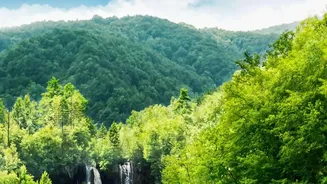
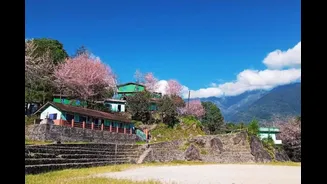
Northeast India's climate is dominated by three main seasons, each offering a vastly different experience. Winter (October to February) brings crisp, dry weather and clear skies, with snow at higher altitudes. Spring (March to May) sees the snow melt,
valleys turn a vibrant green, and rhododendrons and orchids burst into bloom. The monsoon season (June to September) brings heavy rainfall, which feeds the lakes and creates lush, misty landscapes, but can also make travel challenging due to landslides.
Tsomgo Lake, Sikkim: A Glacial Chameleon
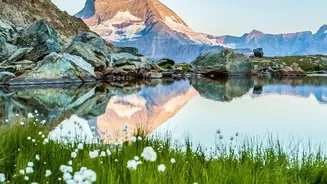
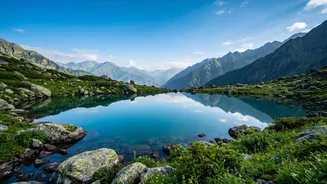
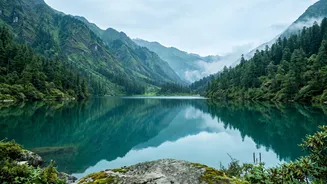
Located at an altitude of 12,313 feet, Tsomgo Lake (also known as Changu Lake) is a master of seasonal disguise. In winter, from roughly December to March, it freezes into a solid, glistening sheet of ice, offering a surreal, snow-covered landscape perfect for yak rides on its frozen shores. As spring arrives from April to May, the ice melts away to reveal stunning blue-green water. The periphery of the lake becomes dotted with colourful rhododendrons, primulas, and other wildflowers, creating a picture-perfect scene. During the monsoon, the lake is full and often shrouded in an ethereal mist. Post-monsoon, from October to December, the skies clear, offering sharp reflections of the surrounding peaks on the calm water before the deep freeze returns.
Gurudongmar Lake, Sikkim: The High-Altitude Wonder
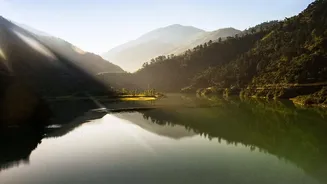
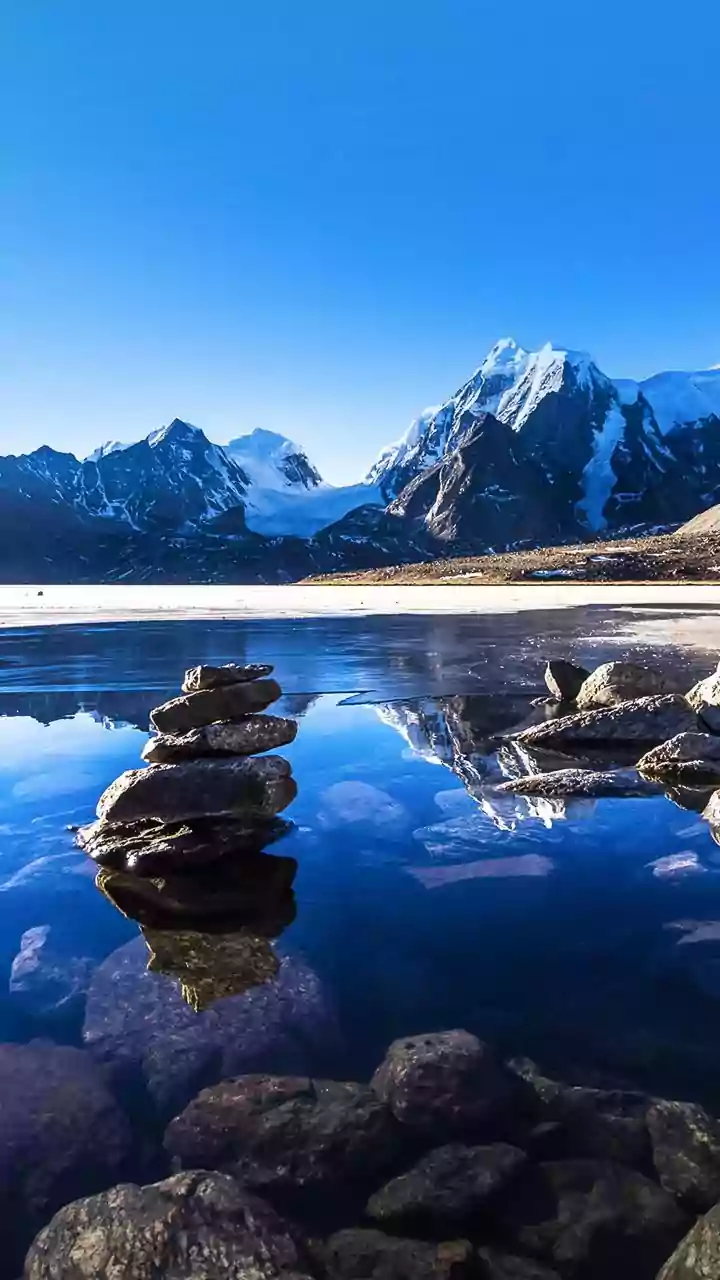
As one of the highest lakes in the world at 17,800 feet, Gurudongmar Lake's conditions are extreme and beautiful. It remains frozen for a significant part of the year, typically from November through April or even early May. Visiting in late autumn (October-November) offers the best chance to see the lake beginning to freeze under exceptionally clear skies. From April to June, the ice melts to reveal breathtakingly clear turquoise water, while the surrounding high-altitude meadows may feature alpine flowers. Travel during the peak monsoon months of July to September is generally avoided due to the high risk of landslides on the access roads from Lachen. A fascinating feature of this sacred lake is a small portion that is said to never freeze, even in the harshest winters.
Loktak Lake, Manipur: The Floating World
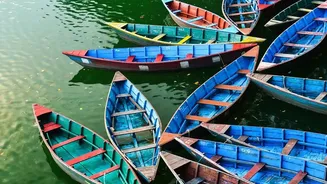
Loktak Lake offers a unique seasonal rhythm unlike any other. It is famous for its 'phumdis'—large, circular floating islands of vegetation, soil, and organic matter. The best time to visit is during the dry, pleasant winter months from October to March. During this period, the weather is comfortable for boat rides among the phumdis, and migratory birds flock to the lake. This season also offers a better chance to spot the endangered Sangai deer in the Keibul Lamjao National Park—the world's only floating national park—as the vegetation on the phumdis is shorter. The monsoon season (June to August) dramatically changes the lake as heavy rains cause the water level to rise, lifting the phumdis. While the landscape becomes incredibly lush, travel can be disrupted.
Sela Lake, Arunachal Pradesh: The Icy Gateway
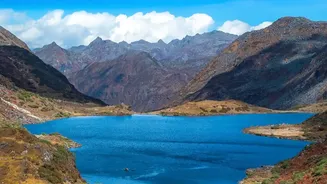
Situated near the Sela Pass at 13,700 feet, Sela Lake is often the first spectacular high-altitude lake visitors see on the way to Tawang. Its most dramatic state is in winter (October to February), when it is often partially or completely frozen and the surrounding landscape is blanketed in snow, creating a stark white wonderland. From March to May, the snow melts, unveiling crystal-clear blue waters. This spring season is ideal for photography, with vibrant landscapes and clearer access. While the monsoon (June to September) makes the region incredibly green, road conditions can be treacherous. The shoulder months of October and November are considered among the best times to visit, offering stable weather, clear Himalayan views, and accessible roads before the deep winter freeze sets in.