




The Weight of Unprecedented Crowds
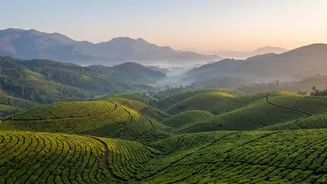
The quintessential image of a quiet, misty morning in Shimla or Mussoorie is rapidly being replaced by a far more chaotic picture: bumper-to-bumper traffic and streets teeming with people. Recent evidence points to an explosion in tourist numbers that
the infrastructure of these colonial-era towns simply cannot handle. For instance, the number of tourists visiting the Indian Himalayan region surged from 10.55 crore in 2014 to a staggering 40.78 crore in 2025, marking a 286% increase. Towns built for a population of thousands are now hosting millions annually. During peak season in summer 2026, Shimla saw thousands of vehicles entering daily, far exceeding its limited parking capacity and putting immense pressure on roads never designed for such volume. This situation is mirrored in Manali, Mussoorie, and even parts of Sikkim, where the sheer weight of numbers is turning dream vacations into exhausting ordeals.
Gridlock, Not Getaway
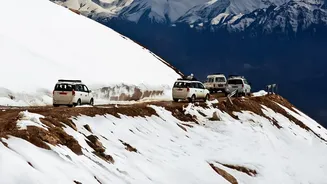
For many recent visitors, the primary experience is not the mountain air but the traffic jam. Hours-long snarls have become the norm on approach roads like the Mandi-Kullu-Manali route. A journey that should take a few hours can now stretch into a frustrating six-hour crawl. Improved connectivity, such as the Delhi-Dehradun Expressway, has ironically worsened the problem by enabling more spontaneous trips, flooding towns like Mussoorie with vehicles far beyond their carrying capacity. This isn't just an inconvenience; it has a real economic impact. Hospitality experts note that when tourists spend most of their time stuck in a car, they have less time and energy to spend at local shops, cafes, or attractions, undermining the very economy that tourism is meant to support.
The Concrete Creep and Fading Charm
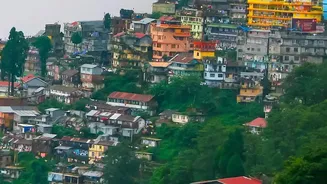
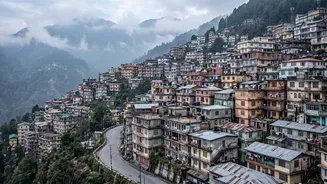
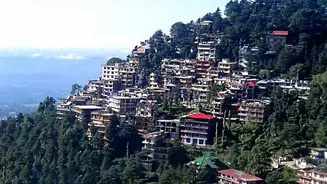
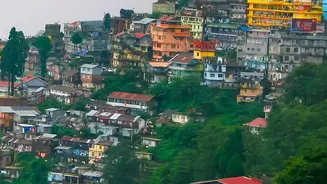
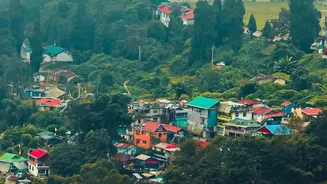
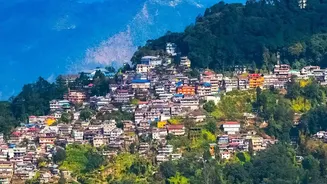
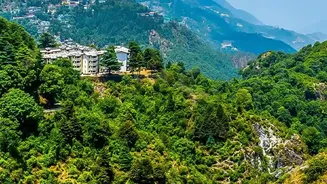
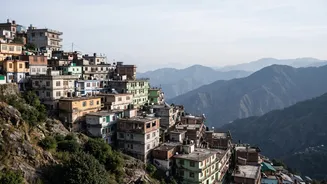
The 'lost charm' mentioned in headlines is often a direct result of unchecked construction. Hillsides that were once green are increasingly dotted with concrete hotels and homestays, often built without proper regulation. In places like Manali, agricultural land and orchards are disappearing, replaced by an urban landscape that strains the environment and dilutes the town's unique character. This physical transformation is a key part of the evidence. The famous walks of Landour, once reminiscent of a Ruskin Bond novel, are losing their tranquil appeal. The very aesthetic that draws people to the mountains is being eroded by the infrastructure built to accommodate them, creating a paradox where development for tourism ends up destroying the destination.
An Ecosystem Running on Empty
Perhaps the most alarming evidence relates to environmental degradation. Overtourism has pushed fragile ecosystems to a breaking point. Water scarcity is a critical issue. A NITI Aayog report highlighted that nearly 30% of the springs crucial for water security in the Himalayas are drying up, with 50% showing reduced flow. This isn't a future problem; it's happening now. During peak seasons, many hill stations resort to water rationing for locals while tourist facilities consume vast quantities. Waste management is another failing front. During its peak season, Manali produces around 35 metric tonnes of solid waste daily, far more than it can sustainably handle. Sewage treatment is similarly overwhelmed, with facilities processing only a fraction of the waste generated, leading to pollution of pristine water bodies.
Is There a Path to Preservation?
The evidence paints a grim picture, but it has also sparked a crucial conversation about sustainability. There is a growing consensus that the current model of unchecked mass tourism is unsustainable. Experts and government bodies are exploring solutions. NITI Aayog has floated ideas like a 'green cess' on tourists to fund environmental conservation and better infrastructure. Other proposals include regulating tourist entry, requiring confirmed hotel bookings before allowing passage, and developing new, lesser-known destinations to distribute the load. The goal is to move from a high-volume, low-value model to one that prioritises sustainability, ensuring that these destinations can survive for future generations. The challenge lies in balancing economic benefits with ecological preservation before these treasured landscapes are loved to death.