



Why Cast Iron is Back in Style
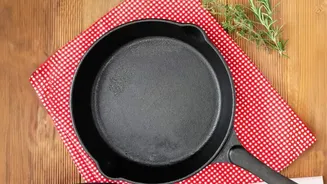
The return to cast iron isn't just about nostalgia; it’s a conscious choice for better cooking and health. Concerns over chemical coatings on modern non-stick pans have led many to seek safer, more natural alternatives. Cast iron fits the bill perfectly.
It’s incredibly durable, capable of lasting for decades and even being passed down as a family heirloom. Its ability to retain heat ensures even cooking, which is perfect for everything from searing meats to making crispy dosas and evenly cooked sabzis. Furthermore, cooking in cast iron can fortify food with small amounts of dietary iron, a significant benefit. When seasoned correctly, it develops a natural non-stick surface that improves with every use.
The Art of Seasoning a New Pan
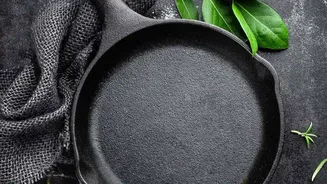
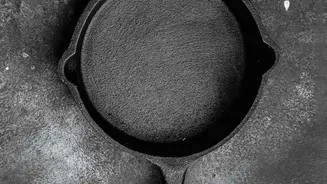
Seasoning is the most critical step in cast iron care. It's the process of baking oil onto the pan to create a natural, non-stick cooking surface. Many modern pans come 'pre-seasoned,' but an initial seasoning at home is always a good idea. Start by washing the new pan with mild soap and water to remove any factory residue, something you'll only do this once. Dry it completely, even heating it on the stove for a minute to evaporate all moisture. Next, apply a very thin layer of a high smoke-point oil—like groundnut, rice bran, or even ghee—all over the pan, inside and out. Wipe off the excess until the pan looks almost dry; a thick layer will become sticky. Heat the pan on the stovetop over medium heat for 10-15 minutes until it starts to smoke slightly, or bake it upside down in an oven at a high temperature (around 200-230°C) for an hour. Let it cool completely. Repeating this process a few times will build a strong foundation for a slick, lifelong cooking surface.
Daily Cleaning: Do's and Don'ts
Proper daily cleaning is simpler than most people think. The biggest rule is to avoid soaking the pan in water, as prolonged moisture exposure is the primary cause of rust. It's best to clean the pan while it's still warm. Use hot water and a non-abrasive brush or scraper to remove any stuck-on food. Contrary to old myths, using a small amount of mild dish soap is perfectly fine and won't ruin your seasoning, but avoid harsh detergents or steel wool. The most crucial step is drying. After rinsing, dry the pan thoroughly with a towel and then place it on the stove over low heat for a few minutes to ensure every last drop of moisture has evaporated. Before storing, you can wipe a very thin layer of cooking oil on the surface to protect it.
Avoiding Common Maintenance Mistakes
Several common errors can damage your cast iron's seasoning or cause rust. One of the biggest is not preheating the pan; placing food in a cold pan can cause it to stick. Another mistake is storing the pan while it's even slightly damp, which invites rust. Storing it with the lid on can also trap moisture and air, which may dull the seasoning or create off-odours; it's better to store it uncovered in a dry place. While cast iron is robust, using it to cook highly acidic foods like tomato-based curries for long periods can break down the seasoning, especially when the pan is new. It’s also important not to use extreme temperature changes, like plunging a hot pan into cold water, as this can cause it to crack.
How to Revive a Rusted Pan
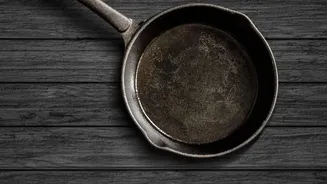
Finding rust on your beloved pan can be disheartening, but it's almost always fixable. For light surface rust, scrubbing with a paste of coarse salt and a little oil can be effective. For more significant rust, a 50/50 solution of white vinegar and water is your best friend. Soak the pan for about 30 minutes to an hour—any longer and the acid can damage the iron itself. After soaking, the rust should be loose enough to scrub off with steel wool or a stiff brush. Once all the rust is gone, wash the pan thoroughly with soap and water, dry it completely on the stove, and then perform a full re-seasoning process as if it were a new pan. Your pan will be back in service, ready for many more years of cooking.