
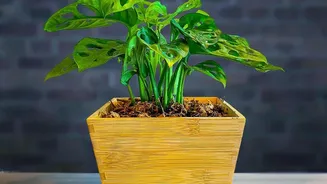


The Rotation Myth
First, let's clarify what rotating actually does. Plants are phototropic, meaning they naturally grow towards their light source. When a plant sits in the same spot for months, the side facing the window will get bushier while the back remains sparse,
causing the plant to lean. Rotating—typically a quarter turn every week or two—exposes all sides to the light, encouraging more even, symmetrical growth and preventing a lopsided look. It's an excellent habit for aesthetic reasons. However, it’s a fine-tuning technique, not a fundamental solution. If a plant is unhealthy, rotation merely spins the problem around without addressing the root cause.
The Real Issue: Inadequate Light
The number one reason a houseplant struggles is often a lack of sufficient light. Photosynthesis is how a plant creates its food, and light is the essential ingredient. When a plant doesn't get enough, it can't thrive. Signs of inadequate light include 'leggy' growth, where stems become long and stretched with large gaps between the leaves. This is a process called etiolation, where the plant is literally stretching to find more light. Other symptoms are new leaves that are smaller or paler than older ones, a variegated plant losing its distinct colours and turning more green, or a complete lack of new growth during the spring and summer. Rotating a plant in a dark corner doesn't create more light; it just forces the plant to stretch in a new direction. The solution isn't rotation, but relocation to a brighter spot or supplementing with a grow light.
The Other Culprit: Poor Watering
Improper watering is the other common plant killer. Both too much and too little can be disastrous. Overwatering is especially dangerous because it suffocates the roots, leading to root rot, from which few plants recover. Signs of overwatering often include yellowing lower leaves, mushy stems, and soil that never seems to dry out. Conversely, an underwatered plant may have crispy, brown leaf edges and wilting or drooping leaves. The key is to water based on the plant's needs, not a rigid schedule. The best method is to check the soil. For most plants, you should water thoroughly only when the top inch or two of soil feels dry to the touch. Pour water slowly and evenly until it runs out of the drainage hole, then discard any excess water from the saucer. This ensures the entire root system gets a drink without sitting in a puddle.
When and How to Rotate Correctly
Once you've ensured your plant has the right light and a proper watering routine, rotation becomes a beneficial part of its care. For most leafy houseplants, giving the pot a quarter turn in the same direction every time you water is a simple and effective routine. This helps maintain a balanced and upright structure. It’s also a great opportunity to inspect your plant for any early signs of pests or disease. However, there are exceptions. Plants that have started to form flower buds, like some orchids, shouldn't be rotated, as the change in light orientation can cause the buds to drop. And for some vining or climbing plants that have been trained on a support, rotation can disrupt their established growth pattern. For these, consistency is more important than symmetry.