

The End of Soggy Foods
The most immediate benefit of a compartment lunch box is the preservation of texture. No one enjoys a sandwich that has been softened by adjacent fruit slices or crackers that have lost their crunch from a nearby salad. Texture is a critical part of how
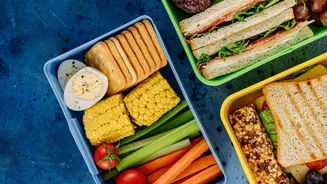
we experience and enjoy food. Combining different textures, like creamy and firm or smooth and crisp, makes a meal more satisfying. A compartment box, often called a bento box, acts as a guardian for each food item, ensuring that wet and dry ingredients remain separate until you’re ready to eat them. This simple separation keeps flavours distinct and maintains the integrity of each component, making lunch far more appetizing.
A Simple Tool for Portion Control
Beyond texture, compartment boxes are a powerful tool for mindful eating and portion control. Instead of guessing serving sizes, the divided sections provide clear visual cues. This structure encourages a balanced meal without the need for meticulous measuring. Nutritionists often recommend the 'plate method'—dividing your plate into sections for protein, carbohydrates, and vegetables—and a bento box is essentially a portable version of this concept. The compartments naturally limit how much you can pack, which can help prevent overeating and reduce food waste by encouraging you to pack only what you need.
Winning Over Picky Eaters
For parents of picky eaters, the compartment box can be a game-changer. Many children dislike it when different foods touch. A bento-style box respects this preference by creating a clean, organized space for each item, which can remove a significant barrier to eating. The visually appealing layout, with its colourful variety, can also make food seem more interesting and less overwhelming to a child. Offering small, manageable portions of different foods—some familiar favorites alongside a new item—can gently encourage exploration without pressure. Involving kids in packing their own bento box can also give them a sense of ownership, making them more likely to eat the lunch they helped create.
Inspiring Mealtime Creativity
Using a compartment box can transform the routine task of packing a lunch into a creative exercise. The empty sections serve as a prompt to build a more varied and colourful meal. Instead of defaulting to a single sandwich, you might be inspired to think in components: a grain, a protein, a vegetable, and a fruit. This approach encourages a wider range of nutrients in your diet. The format is perfect for deconstructed meals, like taco components (tortilla chips, cheese, beans), wraps with separate fillings, or a collection of interesting snacks and dips. This variety not only improves nutrition but also prevents lunch from becoming monotonous.
Practical Tips for Packing
To get the most out of your compartment box, a few simple strategies can help. Pack the compartments tightly so items don't shift during transport. Use silicone cupcake liners or small, lidded containers for sauces, dips, or particularly wet items like yogurt to prevent any chance of leakage. Edible barriers, such as lettuce leaves or cucumber slices, can also be used to keep foods neatly separated. If you're packing your lunch the night before, ensure all cooked items have cooled completely to prevent condensation from making things soggy. Thinking about a mix of colours and shapes will not only make the meal look more appealing but also helps ensure a diversity of nutrients.