

The Green Wave in a Nation of Caffeine Lovers
India's cafe culture is booming, with the national market projected to grow substantially by 2034. While coffee remains a dominant force, a noticeable shift is underway. In cities like Delhi, Mumbai, and Bengaluru, a different kind of buzz is building
around matcha, the finely ground powder of specially grown green tea leaves. This trend is not just happening in cafes; it's being driven by digital curiosity. Google Trends data from 2026 revealed a massive 1,300% surge in searches for "how to make matcha" over the past year in India. Searches for its health benefits and comparisons to coffee have also skyrocketed, indicating a move from casual interest to active consideration. This suggests consumers are looking for more than just a new drink; they are exploring a new ritual.
So, What Exactly Is This Green Powder?
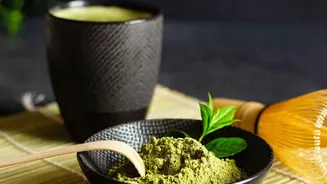
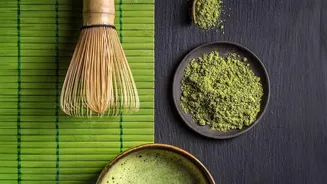
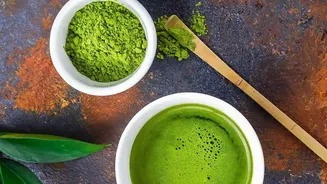
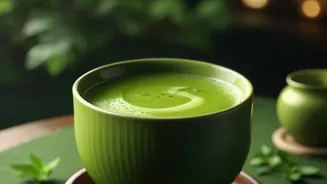
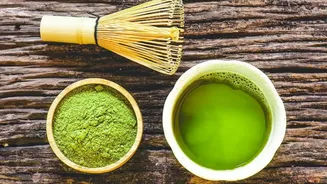
Matcha is often mistaken for regular green tea, but its production and properties are distinct. Unlike green tea, where leaves are steeped in water, with matcha you consume the entire leaf, which has been stone-ground into a delicate powder. The tea plants are shade-grown for about three to four weeks before harvest. This process boosts their chlorophyll content, giving matcha its brilliant green colour, and increases the concentration of L-theanine, an amino acid responsible for its unique flavour profile, often described as 'umami' or savoury. This careful cultivation is also why authentic matcha is more expensive than other teas.
A Calmer Buzz: The Health-First Appeal
A primary driver of matcha's growing popularity is its perceived health benefits. While coffee provides a quick, powerful jolt of caffeine, many drinkers are familiar with the subsequent energy crash and jitters. Matcha offers a different experience. It does contain caffeine, but the presence of L-theanine promotes a state of calm alertness, providing sustained energy for four to six hours without the sharp peak and fall. This has made it an attractive alternative for those sensitive to coffee. Furthermore, matcha is packed with antioxidants, particularly EGCG (epigallocatechin gallate), which has been linked to boosting metabolism and other wellness benefits.
From Lattes to Laddoos: How India Is Embracing Matcha
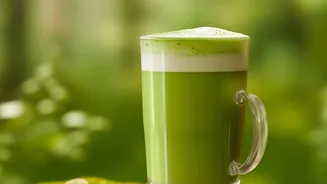
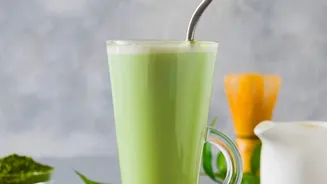
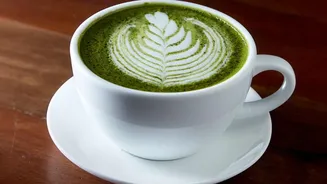
The versatility of matcha is key to its adoption in India. It's not just being served as a traditional hot tea. Third-wave coffee chains like Blue Tokai and Third Wave Coffee were among the first to popularize matcha lattes, making the drink accessible to a wider urban audience. Now, its application has expanded dramatically. You can find it in soft-serve ice creams, French toast, and financiers. Indian consumers are also adding their own twists, with searches for "mango matcha" and "strawberry matcha" growing significantly. Some cafes have even created fusion items like a matcha aam panna, blending the Japanese tea with a classic Indian summer cooler. This adaptability shows that matcha isn't just being imported; it's being integrated.
A Passing Fad or Here to Stay?
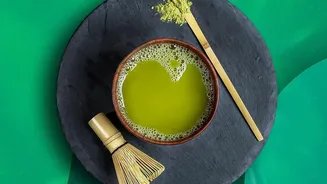
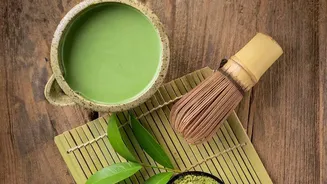
While still a niche market compared to tea and coffee, matcha's footing in India appears to be strengthening. The market, valued at approximately USD 41.9 million in 2024, is growing at a rate of 8.6% per year. The rising interest in at-home preparation, evidenced by surging searches for matcha whisks and bowls, suggests a deeper commitment from consumers. A growing number of homegrown Indian brands are now sourcing high-quality, ceremonial-grade matcha directly from regions in Japan like Kagoshima and Shizuoka, catering to a more informed customer base. While challenges like its acquired taste and higher price point remain, matcha seems to be carving out a permanent space for itself, appealing to a generation that values wellness, global trends, and an aesthetically pleasing experience.