






The Power of Pulses
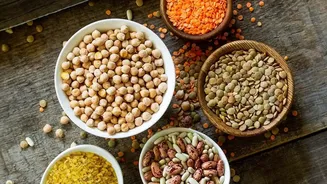
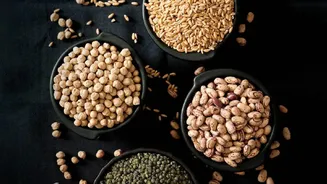
The backbone of countless Indian meals, pulses (dals, legumes, and beans) are nutritional powerhouses of protein and fibre. Their true value lies in their versatility and affordability. Stocking just a few key varieties opens up a world of culinary possibilities,
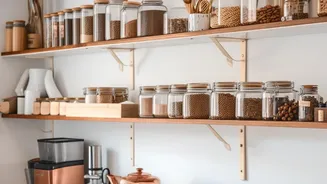
from simple dals and hearty curries to salads and snacks. Start with the essentials: toor dal (split pigeon peas) for sambar and everyday dal, moong dal (split green gram) for its quick cooking time, and chana dal (split chickpeas) for its nutty flavour in everything from stews to dry preparations. Whole legumes like chickpeas (Kabuli chana) and kidney beans (rajma) are also non-negotiable for classic weekend dishes. Storing these in clear, airtight containers not only keeps them fresh but also lets you see your inventory at a glance.
Go Beyond with Grains
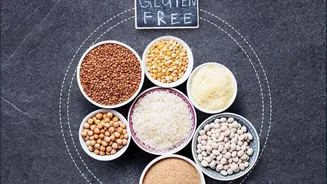
While rice and wheat flour (atta) are undisputed staples, a modern Indian pantry benefits from a wider array of whole grains. Basmati rice is essential for fragrant biryanis and pulaos, while a simple short-grain variety like Sona Masoori is perfect for daily meals. Beyond rice, incorporating millets like ragi and jowar, or grains like quinoa, adds immense nutritional variety and texture to your diet. Whole wheat flour is a must for rotis and chapatis, and having besan (gram flour) on hand is key for making quick snacks like pakoras or savoury pancakes. These grains form the canvas of your meals, providing sustained energy and forming the satisfying base upon which other flavours are built.
Versatile Everyday Basics
Pulses and grains are the stars, but the supporting cast of versatile basics is what brings a meal to life. This category includes cooking fats, aromatics, and spices. A neutral vegetable or sunflower oil for everyday cooking, ghee for its rich flavour, and mustard or coconut oil for regional specialities cover most needs. The aromatic duo of ginger and garlic, along with onions and potatoes, are foundational. A well-curated spice box (masala dabba) is crucial. Essential spices for an Indian kitchen include turmeric (haldi), cumin seeds (jeera), coriander powder (dhania), and red chilli powder. Garam masala, a finishing blend of warm spices, adds that final, fragrant touch. These are the workhorse ingredients you will reach for almost every time you cook.
The Key Qualification: Think in Meals
Here is the most important principle for a useful pantry: stop thinking in terms of individual ingredients and start thinking in terms of complete meals. A pantry isn't a museum of exotic single-use items; it should be a functional system that supports how you actually cook. Before buying a new ingredient, ask yourself: “How many different dishes can I make with this using what I already have?” This simple question is the key qualification. It prevents you from buying a jar of something for one specific recipe that will then gather dust for months. A well-stocked pantry means you should be able to make at least three to five different core meals—like dal tadka, chana masala, or a simple vegetable pulao—without a last-minute trip to the store. This mindset shift ensures that every item you stock has a clear purpose and works in harmony with others, transforming your pantry from a cluttered space into a source of daily inspiration.