





Finding Your Oasis: Planning for Shade
Guest comfort begins with protection from the sun. The success of an outdoor event hinges on providing a pleasant environment, and managing heat and sun exposure is crucial. Before you set a single table, assess your garden for natural shade. A large,
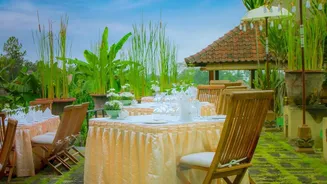
mature tree can provide the perfect canopy. If your space is more exposed, consider temporary structures. Pop-up canopies or gazebos are excellent for creating a shaded focal point for your main table. For a more modern and decorative approach, shade sails in triangular or square shapes can be strategically placed to block the sun while adding a stylish architectural element. Even a few well-positioned patio umbrellas can offer necessary relief, ensuring guests can relax without squinting or overheating.
Take a Seat: Arranging for Comfort and Conversation
The right seating arrangement encourages guests to linger and mingle. Instead of lining chairs up against a wall, create small, inviting zones that promote conversation. Circular or semi-circular arrangements for groups of four to six are ideal for allowing guests to see and interact with each other easily. For a classic, casual feel, traditional picnic benches are a great all-in-one solution for dining. If you're aiming for a more relaxed, on-trend vibe, pallet furniture paired with colorful cushions can create a charming lounge area. Don't be afraid to mix and match; combining benches, individual chairs, and even floor cushions or blankets can create a dynamic and comfortable space. The goal is to make the seating feel intentional and sociable, not like a waiting room.
Weathering the Unknown: Your Contingency Plan
No one can control the weather, but you can certainly plan for it. A good weather contingency plan starts days before the event by monitoring forecasts. If rain is a possibility, having a weather-resistant tent on standby is the best way to protect guests, food, and decor. Even a sudden breeze can be disruptive, so secure tablecloths with clips and avoid lightweight decor that can blow away. For hot weather, ensure you have plenty of water available and consider setting up a cooling station with a fan if possible. Communicate your plan. If conditions change, be ready to calmly direct guests to a sheltered area. Having a clear plan for rain, wind, or excessive heat reduces stress and allows the event to continue smoothly.
Dream in Pastels: Setting the Color Scheme
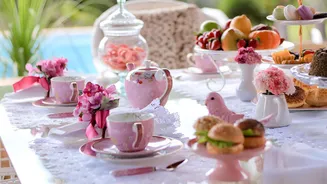
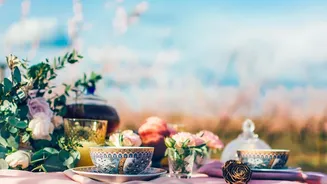
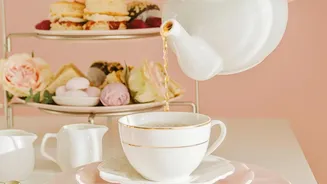
Pastel colors are the cornerstone of a classic tea party aesthetic, creating a soft, elegant, and whimsical atmosphere. Think of a palette built around soft pinks, dusty blues, mint greens, and delicate lavenders. These colors can be introduced through your linens—tablecloths and napkins set the tone for the entire table. Pair them with porcelain whites or creams in your china to create a warm and inviting look. To keep the palette from looking overly childish, use plenty of white space and anchor the soft shades with a mature neutral like charcoal or taupe, perhaps in the typography of place cards or menus. Mixing and matching complementary pastel shades can add visual interest without feeling chaotic.
The Finishing Touch: A Flourish of Flowers
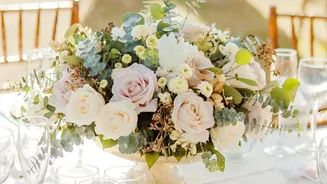
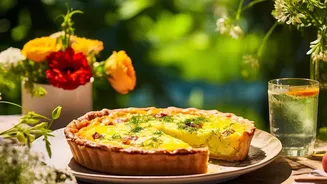
Flowers bring life and romance to a garden party. The best choices are often seasonal blooms from your own garden or a local market. Roses, peonies, hydrangeas, and sweet peas are wonderful options. For centerpieces, think low and loose. Arrangements should be beautiful but not so tall that they block conversation across the table. Get creative with your vessels; vintage teapots, mason jars, or even small teacups can be repurposed as charming vases. You can also scatter petals on the table, create a floating flower bowl for a drinks station, or string a simple flower garland to hang from a tree or fence. Adding sprigs of fresh herbs like mint or lavender will contribute a beautiful scent to the air, enhancing the sensory experience for your guests.