


Understanding Your Home's Humidity
Humidity, or the amount of water vapour in the air, is a game-changer for houseplants. Many popular varieties are tropical natives, accustomed to steamy jungle floors. An average home's humidity can be quite dry, especially in rooms with air conditioning.
Bathrooms and kitchens, on the other hand, often provide a naturally humid microclimate perfect for certain plants. Before you buy, it's wise to assess your environment. An easy trick is the ice water test: if condensation quickly forms on a glass of ice water, your humidity is likely high. For a more precise reading, an inexpensive digital hygrometer will give you an exact percentage. Most houseplants are happy with 50-60% humidity, but many tropicals prefer even more.
Top Plants for High-Humidity Havens
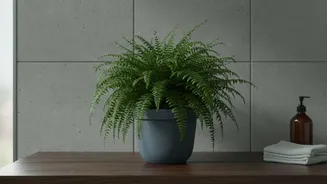
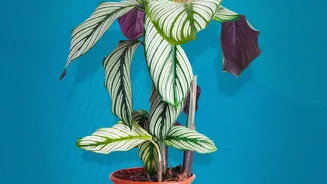
If your home is naturally humid, or you plan to place a plant in a bathroom or kitchen, you have many lush options. Ferns, like the Boston Fern, thrive in moist air and indirect light. Peace Lilies are another excellent choice, known for their ability to handle humid conditions and lower light, and they even help reduce mould spores. Other humidity lovers include the striking Calathea, the elegant English Ivy, and various Philodendrons. These plants absorb moisture through their leaves, and the humid air helps them stay hydrated and vibrant. Placing them in these damp corners of your home can create a spa-like, green retreat.
Best Bets for Drier Environments
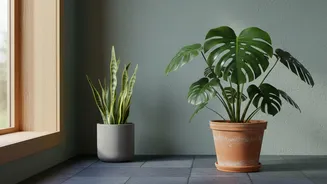
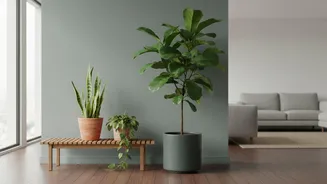
For rooms that are less humid, it's best to choose plants adapted to drier air. Succulents, like Aloe Vera and Jade Plants, are champions of low-humidity living, as they store water in their leaves. The nearly indestructible Snake Plant (Dracaena trifasciata) and the ZZ Plant (Zamioculcas zamiifolia) are also fantastic choices. They are not only tolerant of dry air but also low light, making them perfect for beginners or less-than-ideal spots in the home. The versatile Pothos is another forgiving option that adapts well to a range of conditions, including lower humidity. These resilient plants won't require constant misting to stay healthy.
Making the Most of Your Available Space
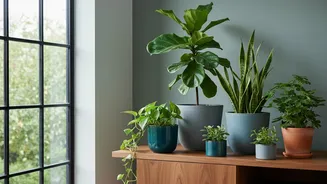
Beyond climate, simple square footage is a vital consideration. Overcrowding a small room with a large plant can feel chaotic, while a tiny plant can get lost in a large living area. Think vertically to maximize your space. Trailing plants like Pothos, Spider Plants, or English Ivy are perfect for hanging baskets or placing on high shelves, drawing the eye upward and freeing up floor space. For tight corners or desktops, compact plants are ideal. Their smaller footprint provides a touch of green without getting in the way.
Plant Picks for Compact Living
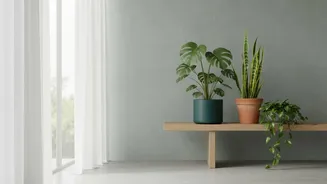
Living in a smaller apartment doesn't mean you have to forgo greenery. The key is to choose plants with a manageable size and growth habit. The Snake Plant is an excellent choice for small spaces because its leaves grow vertically, giving it a small footprint but a strong presence. Small succulents and Aloe Vera are perfect for windowsills or desks. The Spider Plant, with its cascading plantlets, works wonderfully in a hanging pot, while a compact Heartleaf Philodendron can brighten a small table or bookshelf. These plants prove that you can create a vibrant indoor garden no matter the size of your home.
Go Big with Statement Plants
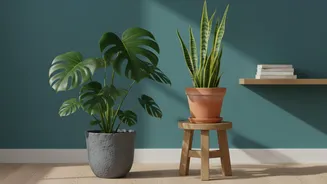
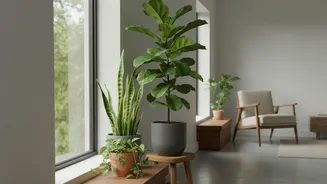
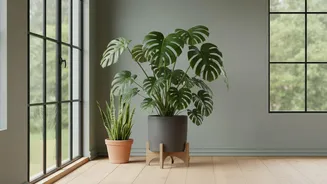
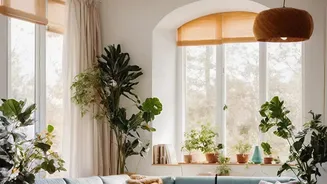
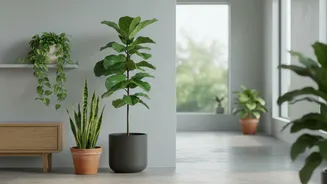
If you have the luxury of space, a large statement plant can become a stunning living sculpture and a focal point of your decor. The Areca Palm, with its feathery, arching fronds, brings a tropical feel and can grow up to seven feet indoors. The popular Monstera Deliciosa, with its iconic split leaves, adds a bold, jungle-like vibe. For a touch of elegance, a tall Fiddle Leaf Fig or a majestic Bird of Paradise can transform a room, though they often require more specific care and brighter light. These larger plants make a significant impact, turning an empty corner into a lush, green feature.