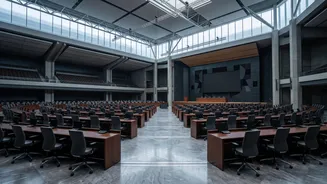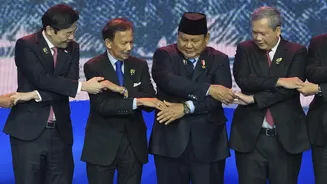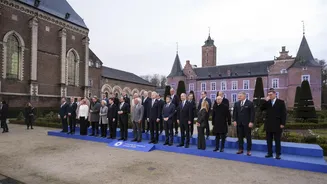

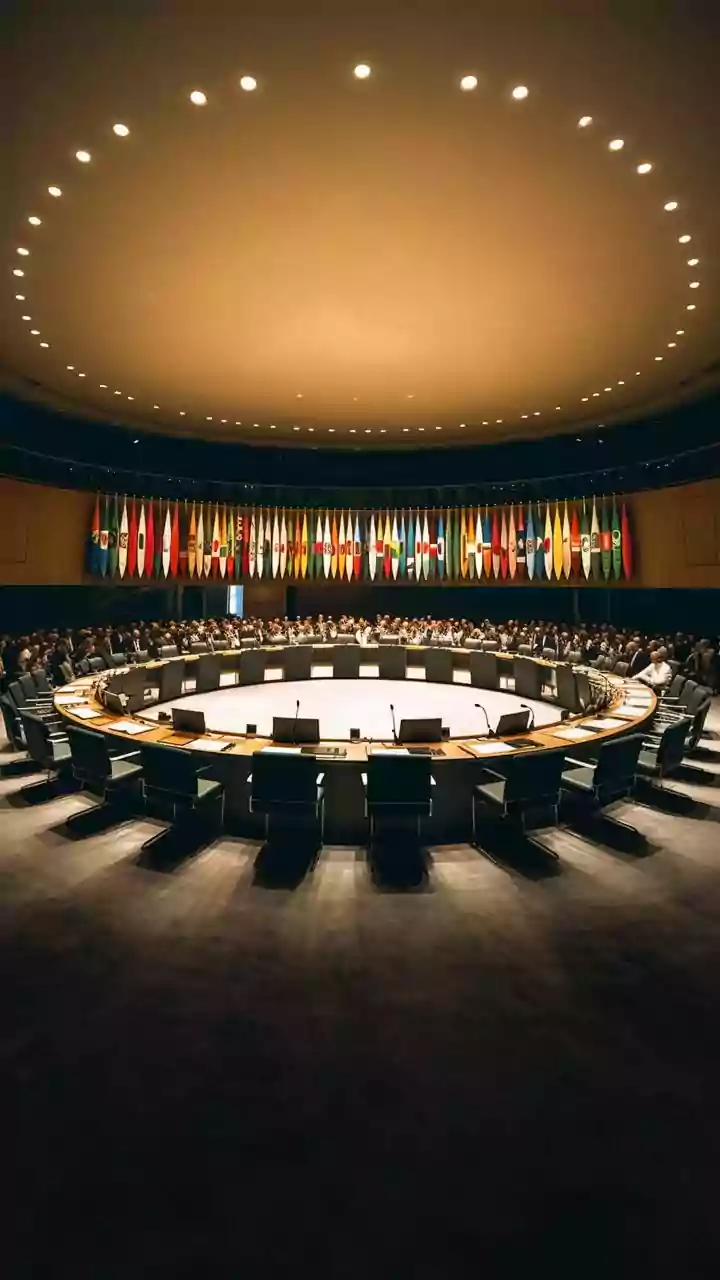




After running into 40 hours of overtime, the COP31 climate summit in Antalya, Turkey, has collapsed. For the first time since 2009, nations failed to agree on a final political text, leaving the world's climate action plan in disarray.
Why the Talks Fell Apart
The summit, which
ran for two extra days, ended in failure after a large coalition of countries rejected the proposed final agreement, the 'Antalya Pact'. The European Union, along with many Latin American and climate-vulnerable nations, refused to endorse a text that did not include a clear commitment to phase out fossil fuels — the primary driver of climate change. The draft was seen by many as a step backward, with a dangerous emphasis on unproven carbon capture technologies instead of direct emissions cuts. This rejection of a weak deal was seen by some as better than accepting an agreement that would not meaningfully address the climate crisis. Still, the result is a major blow to international climate diplomacy.
The Core Conflict: Climate Finance
At the heart of the deadlock was the unresolved issue of climate finance. This refers to the money provided by wealthy, industrialised nations to developing countries to help them adapt to climate impacts and transition to greener economies. Developing nations, including India, have long argued that developed countries have a historical responsibility to pay, given they have contributed the most to historical emissions. India, negotiating as part of blocs like the G77, BASIC, and the Like-Minded Developing Countries, has consistently pushed for predictable and accessible public finance, not loans that create more debt. However, developed countries, facing their own economic pressures, came to Antalya unwilling to make significant new financial commitments, with some EU officials calling fresh demands 'dead in the water' before the talks even began. The result was a massive gap between the trillions needed and the billions on offer.
The Great Divide Between Nations
The failure in Antalya starkly exposed the deep and persistent chasm between the Global North and the Global South. Developing countries stood firm, arguing that they cannot be expected to decarbonise their economies without substantial financial and technological support. They point to the principle of 'Common But Differentiated Responsibilities', a cornerstone of UN climate talks, which acknowledges that different nations have different capacities and historical roles in the climate crisis. For countries like India, climate action is inseparable from the right to development and poverty eradication. Developed nations, however, resisted being locked into specific, large-scale financial targets for adaptation and loss and damage, leading to a complete breakdown of trust and the ultimate collapse of the main political agreement.
What Happens After a Failed Summit?
While the main political text was rejected, some smaller agreements were made on issues like the 'Just Transition Work Programme', which aims to protect workers and communities during the energy transition. However, the failure to agree on the big picture leaves global climate efforts in a precarious position. Key unresolved issues, particularly the wording on fossil fuels and a new target for adaptation finance, will now be carried over to COP32 in Addis Ababa, Ethiopia. The collapse does not nullify existing commitments under the Paris Agreement, but it represents a significant loss of momentum. The climate crisis does not pause for negotiations, and this failure in diplomacy places an even heavier burden on future talks to deliver the action required by science.