




The Science Behind Barley and Blood Sugar
Barley’s power lies in its unique nutritional profile. It is packed with a type of soluble fibre called beta-glucan. When you eat barley, this fibre forms a thick, gel-like substance in your gut. This gel slows down digestion and, crucially, the absorption
of carbohydrates and sugar into the bloodstream. The result is a slower, more gradual rise in blood sugar levels after a meal, preventing the sharp spikes that can be problematic for those managing diabetes or insulin sensitivity. Studies have shown that barley can be remarkably effective; in one study, it reduced blood sugar and insulin levels by 59–65%, a significantly greater reduction than that seen with oats. This effect can even last for hours, helping to improve your body's response to your next meal as well.
Barley vs. Other Breakfast Grains
In the world of breakfast grains, barley is a standout performer, especially when it comes to its Glycemic Index (GI), which measures how quickly a food raises blood sugar. Hulled barley has a GI score as low as 28, which is the lowest among all grains. In comparison, rolled oats typically have a GI between 42 and 55, while common Indian breakfast staples like poha (flattened rice) or upma made with semolina have a much higher GI. While oats are a healthy choice and also contain beneficial beta-glucan fibre, barley generally has more fibre overall and a lower GI. This makes barley a superior option for anyone looking to achieve tight glycemic control and sustained energy throughout the morning.
Hulled vs. Pearl Barley: Which Is Better?
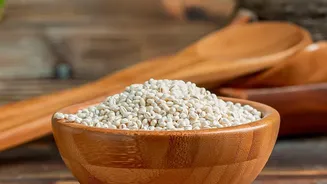
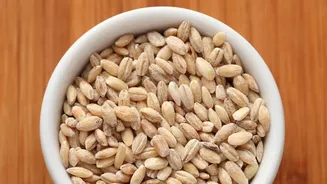
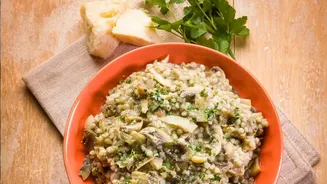
When you shop for barley, you'll likely see two main types: hulled and pearl. Hulled barley is the whole-grain version, with only the tough, inedible outer husk removed. This means it retains its bran and germ, offering the maximum amount of fibre, vitamins, and minerals. Pearl barley has been polished to remove the bran layer, which makes it cook faster and gives it a softer texture. While pearl barley is still a healthy choice with a low GI and significant fibre, hulled barley is the more nutritious option for blood sugar management due to its higher fibre content. If you're new to barley, pearl barley can be an easier starting point, but aiming to incorporate hulled barley will provide the most health benefits.
Crafting Your Blood-Sugar-Friendly Barley Bowl
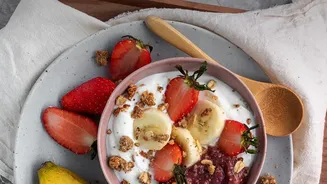
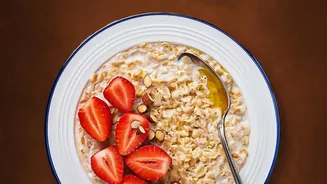
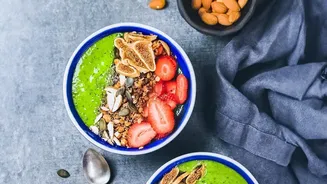
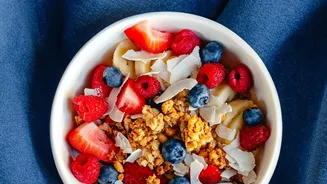
Making a barley breakfast bowl is simple and versatile. Think of it as a heartier, chewier alternative to oatmeal porridge. Start by cooking the barley until tender; hulled barley takes about 50-60 minutes, while pearl barley takes around 40 minutes. You can cook it in water, milk, or a mix of both for a creamier texture. Once cooked, the possibilities for toppings are endless. For a savoury bowl, consider adding a fried or poached egg, sliced avocado, sautéed spinach, and a sprinkle of nuts or seeds for healthy fats and protein. For a sweet-tasting yet low-sugar option, top your bowl with berries, a dollop of plain curd (dahi), a pinch of cinnamon, and some chopped almonds or walnuts. The combination of barley’s fibre with protein and healthy fats from toppings further slows sugar absorption and enhances satiety, keeping you full and energised for hours.