





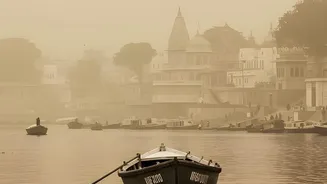
We know air pollution is bad for our lungs, but what is it doing to our largest organ? Doctors are increasingly highlighting the silent damage pollutants inflict on our skin, from city smog to indoor irritants.
The Invisible Attack on Your Skin
Your skin is your body's first line of defence
against the outside world, but it's not invincible. When airborne pollutants like particulate matter (PM2.5), ozone, and nitrogen dioxide land on your skin, they don't just sit there. These particles are often small enough to penetrate the skin's outer layers, where they generate unstable molecules called free radicals. This process, known as oxidative stress, is a primary driver of skin damage. It breaks down collagen and elastin, the proteins that keep skin firm and youthful, and weakens your skin's protective barrier, leaving it vulnerable to moisture loss and irritation.
Signs of Pollution-Stressed Skin
The effects of pollution on skin often build up gradually, making them easy to miss at first. Dermatologists point to several common signs that your skin is reacting to environmental stressors. One of the first things people notice is a sudden dullness or loss of glow. You might also experience more frequent breakouts, blackheads, and clogged pores as pollutants mix with your skin's natural oils. Over time, this constant oxidative stress can lead to more serious concerns like premature aging, including fine lines and wrinkles. Other tell-tale signs include increased sensitivity, where products that were once fine now cause stinging or redness, and the appearance or worsening of dark spots and uneven pigmentation.
Your Defensive Skincare Routine
While you can't avoid pollution entirely, you can build a defensive skincare routine to mitigate the damage. The single most important step is thorough cleansing. Washing your face every evening removes the particulate matter and grime that has accumulated during the day. For those who wear makeup or live in heavily polluted areas, a double cleanse—starting with an oil-based cleanser followed by a water-based one—is highly effective. After cleansing, the next crucial step is applying a serum rich in antioxidants. Antioxidants are molecules that neutralize free radicals, acting as a shield for your skin cells. Look for ingredients like Vitamin C, Vitamin E, and ferulic acid. Vitamin C is particularly celebrated for its ability to brighten skin and support collagen production.
Strengthen Your Barrier and Protect It
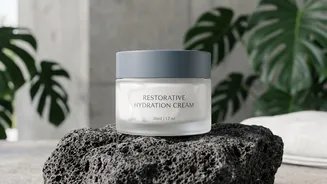
A strong skin barrier is better equipped to handle environmental assaults. A good moisturizer is key to maintaining this barrier. Look for products containing ingredients like ceramides, hyaluronic acid, and glycerin, which help lock in hydration and reinforce your skin's natural defences. Finally, no anti-pollution routine is complete without daily sunscreen. While sunscreen doesn't block pollution particles directly, it is essential because UV radiation and pollution create a double threat when combined, intensifying oxidative stress on the skin. Applying a broad-spectrum sunscreen with an SPF of 30 or higher every morning is a non-negotiable step to protect against this combined damage.
Beyond the Bathroom Cabinet
Protecting your skin isn't just about the products you apply. Certain lifestyle choices can provide additional support. A diet rich in antioxidants, found in colourful fruits and vegetables, can help your body fight free radical damage from the inside out. Staying hydrated and getting adequate sleep are also crucial, as the skin's repair processes are most active overnight. When air quality is particularly poor, you can also consider simple measures like wearing protective clothing or using an air purifier indoors, as indoor pollutants can also affect the skin.