

An Adventurous New Palate
The Indian beverage market is in the middle of a dynamic shift. While chai and filter coffee remain beloved staples, a growing number of consumers, particularly younger urbanites, are developing a taste for global flavours. This trend is driven by a desire
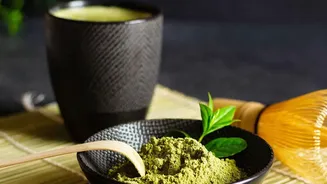
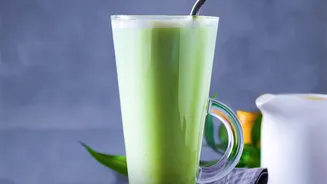
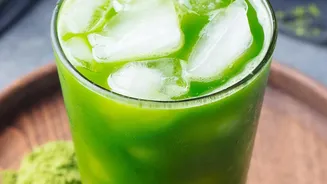
for novelty and experimentation, with social media feeds fuelling curiosity about what the world is drinking. After embracing trends like Dalgona coffee and embracing matcha lattes, it was only a matter of time before the next big things arrived. Recent Google Trends data from September 2026 shows that while matcha is more popular than ever, two new names are seeing significant spikes in search interest: ube and hojicha. It signals a clear willingness among Indian consumers to move beyond the familiar and explore a more diverse and colourful world of drinks.
Meet Ube: The Vibrant Purple Yam
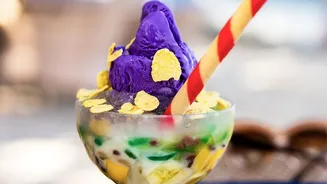
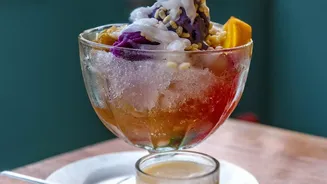
Ube, pronounced 'oo-beh', is a purple yam native to the Philippines. Its most captivating feature is its stunning, deep violet colour, which is entirely natural. But its appeal goes far beyond aesthetics. Ube has a unique flavour profile that is both sweet and complex, often described as a creamy, nutty taste with gentle notes of vanilla, coconut, and even pistachio. Think of it as a more floral and nuanced version of a sweet potato. Traditionally used in Filipino desserts like ube halaya (a rich jam), it has found a new life in global cafe culture. Its photogenic nature makes it perfect for Instagram, and its approachable, sweet flavour makes it an easy entry point for those seeking something new. In India, online searches for ube hit an all-time high in August 2026, with people looking for 'ube lattes' and 'ube drinks', indicating a curiosity that is translating into real-world demand.
Discover Hojicha: Matcha's Toasty Cousin
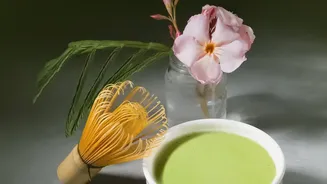
For those who find matcha a bit too intense or grassy, hojicha is a welcome alternative. Hojicha is a Japanese green tea, just like matcha, but with one crucial difference: it is roasted. This roasting process, which was originally developed in Kyoto in the 1920s to make use of leftover tea leaves and stems, completely transforms the tea. The leaves turn a reddish-brown and the flavour becomes warm, nutty, and toasty, with hints of caramel and cocoa. The process also significantly lowers the tea's caffeine content, making it a gentler, more soothing option that can be enjoyed later in the day. As Indian consumers become more discerning tea drinkers, hojicha offers a comforting and sophisticated alternative. Search interest for the tea peaked in India in March 2026, with breakout searches for 'hojicha vs matcha' and 'what is hojicha', suggesting that people are actively learning about and comparing these nuanced flavours.
Why Now? The Shift in Sipping Habits
The rise of ube and hojicha is not happening in a vacuum. It reflects a broader shift in consumer behaviour in India, where beverages are increasingly seen as a form of exploration and self-expression. Young Indians, in particular, are looking for drinks that offer not just refreshment, but an experience. This 'flavour-forward' mindset is driving demand for beverages that are visually appealing, have an interesting backstory, and offer a unique taste profile. The data shows people aren't just trying these drinks in cafes; they're bringing them home. Searches for 'how to make matcha' have surged, indicating a move towards DIY preparation. This growing confidence and curiosity are paving the way for more experimental flavours like ube and hojicha to find a loyal following. It's a sign of a maturing market where taste is becoming more personalised and diverse.