

Teff: The Tiny But Mighty Super-Grain
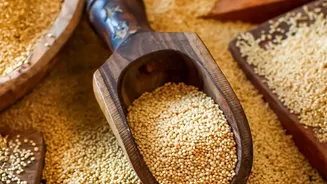
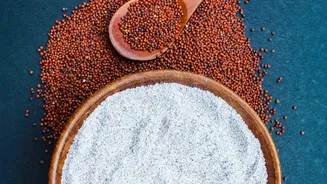
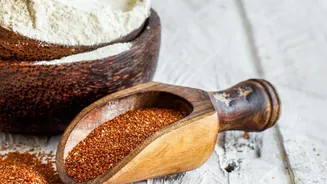
If there's one grain synonymous with Ethiopia, it's teff. The name comes from the Amharic word for “lost” because the grains are so tiny—about the size of a poppy seed. But don't let its size fool you. Teff is a nutritional powerhouse, celebrated by Ethiopians
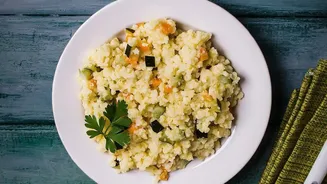
for centuries and now gaining global fame as a superfood. It’s naturally gluten-free and packed with protein, fibre, and essential minerals like iron, calcium, and magnesium. In fact, it has more calcium and iron than many other common grains. Its flavour is mild and nutty, making it incredibly versatile. Teff is the star ingredient in injera, the spongy, sourdough-like flatbread that's a staple of every Ethiopian meal, used as both a plate and a utensil. Beyond injera, teff flour is excellent in baked goods like cookies and pancakes, while the whole grain makes a wonderful breakfast porridge, similar to cream of wheat or polenta.
Sorghum (Mashela): The Familiar Face
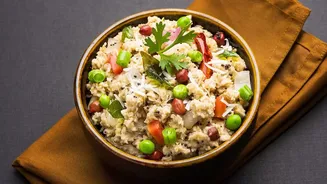
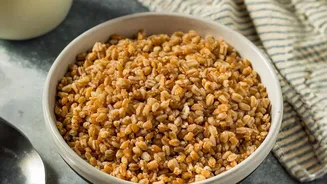
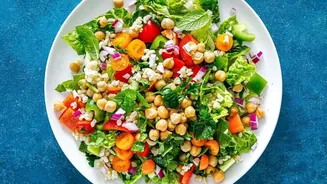
Sorghum, known as mashela in Ethiopia, might already be in your kitchen under a different name: jowar. This grain, which originated in Ethiopia, is a staple across many parts of Africa and India for good reason. It's incredibly resilient, able to thrive in dry conditions where other crops might fail, making it a climate-friendly choice. In Ethiopia, sorghum is the third most important cereal crop and is used in many ways. Like teff, it's often used to make injera or other flatbreads, especially in regions where teff is less common. It’s also cooked into a hearty porridge, roasted as a snack, and even used to brew traditional beverages. For Indian households, its familiarity as jowar makes it an easy entry point into Ethiopian-inspired cooking. You can use its flour for flatbreads or enjoy the whole grain in salads and stews, appreciating its global significance.
Barley (Gebs): The King of Crops
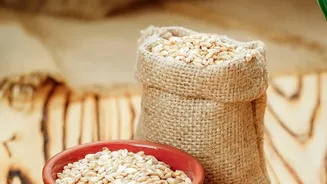
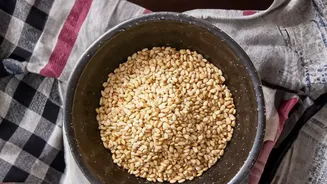
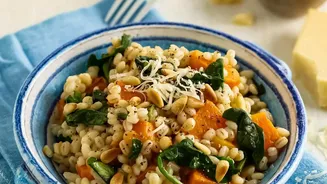
While barley is grown worldwide, it holds a special place in Ethiopian cuisine, where it's affectionately called “the king of crops”. It is one of the country's most important food sources, particularly in the highlands. Ethiopians use barley in a vast array of traditional foods. Roasted whole barley grains, known as kolo, are a popular and crunchy snack. The flour is used to make breads (dabo and kita) and a thick, nourishing porridge called genfo, which is often served to new mothers to help with recovery and lactation. Barley is also the base for traditional drinks, including a nutritious beverage made from roasted barley flour called beso, which is like a traditional energy shake. Another well-known dish is tihlo, which features small barley dough balls served with a spicy dipping sauce. This demonstrates the incredible versatility of a grain that many of us only associate with soups or malt.
How to Get Started
Embracing these grains doesn't require a complete overhaul of your kitchen. Sorghum, or jowar, is already widely available. You can start by simply trying new recipes with the jowar flour or grain you already know. Teff is becoming easier to find in India through online retailers and in speciality health food stores, sold as both whole grain and flour. You can begin by adding a small amount of teff flour to your regular baking recipes for an added nutritional punch. Try making a simple teff porridge for breakfast by cooking one part teff with three parts water for about 20 minutes until creamy. Experimenting with these grains opens up new flavours and textures, adding a healthy and interesting twist to your everyday meals.