




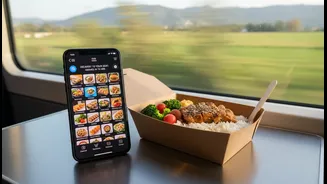



The New Age of Train Dining
Gone are the days when your only food options on a train were the pantry car or whatever vendors were selling at station halts. The rise of e-catering has transformed how passengers eat. IRCTC’s official eCatering service, along with authorized partners
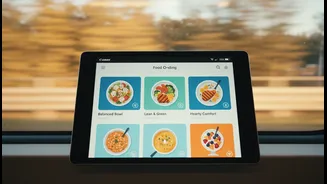
like Zoop, RailRestro, and others, allows you to order from a wide variety of local restaurants and have it delivered directly to your seat. This convenience is a game-changer for long-distance travel, offering more choice and potentially better quality than traditional options. However, this new ecosystem also introduces new questions about food safety and hygiene that every passenger should consider.
Vet the Vendor Before You Order
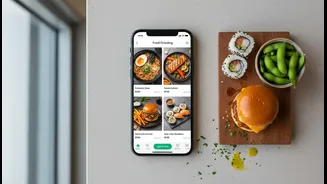
The first step to a safe meal is choosing a reliable restaurant. When using a food app, don't just pick the first option. Look for vendors that are explicitly listed as FSSAI-certified. The Food Safety and Standards Authority of India (FSSAI) mandates hygiene protocols for businesses that prepare and sell food, including those serving railway passengers. Apps partnered with IRCTC usually highlight these certified restaurants. Beyond official certifications, take a moment to read recent customer reviews, paying special attention to any complaints about food quality, hygiene, or delivery issues. Choosing established restaurants with consistently high ratings can significantly reduce your risk. Some stations are even FSSAI-certified as 'Eat Right Stations', indicating higher overall hygiene standards.
Choose Your Meal Wisely
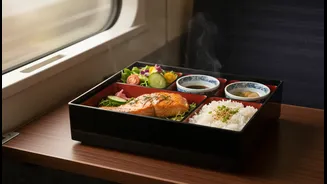
Not all foods are created equal when it comes to travel. During long journeys with limited physical activity, digestion slows down. It's best to avoid very oily, heavy, or spicy dishes that can cause acidity and discomfort. The safest options are simple, freshly prepared hot meals. Think along the lines of dal and rice, rotis with a light vegetable curry, or idlis. These are generally easier to digest. Be cautious with items that spoil quickly or are high-risk for bacterial growth. This includes pre-cut salads, creamy sauces, and dishes with mayonnaise. Even fried snacks can become a problem if they're not fresh. Hot food is generally safer as the heat helps kill most bacteria.
Timing and Packaging Are Crucial
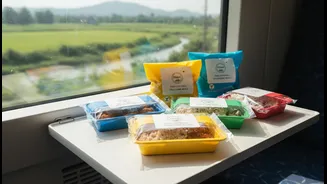
Pay attention to where your food is coming from. Order from a restaurant at a station that is reasonably close to ensure the meal spends minimal time in transit. Poor storage and temperature control during delivery are major risk factors for contamination. When your food arrives, inspect the packaging. Reputable vendors and official IRCTC partners ensure food is packed in sealed, tamper-proof containers. If the packaging looks damaged, loose, or unhygienic, it's best to reject the order. Some vendors have also started using QR codes on packages, which can provide more information about the kitchen where the food was prepared.
The Final Check Before You Eat
Once the food is in your hands, take a moment for a final check before digging in. First, check the temperature; the meal should still be hot. Lukewarm food is a potential breeding ground for bacteria. Next, use your senses. Does the food look and smell fresh? If you have any doubts about its quality or freshness, it is safer not to eat it. While incidents of finding insects or other contaminants are alarming, they highlight the importance of being vigilant. If you do encounter a problem, you can file a complaint through official channels like the RailMadad portal or by calling the helpline number 1800-111-321.
Beyond the Apps
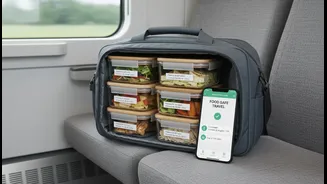
While apps offer great variety, they aren't the only option. Packing your own food remains the safest choice, giving you complete control over hygiene and quality. Simple, non-perishable items like whole-grain sandwiches (avoiding mayonnaise), parathas, fresh fruits, and nuts are excellent for train travel. If you haven’t packed food, the pantry car can be an option for freshly cooked hot meals. However, the quality can be inconsistent. The key is to make informed choices no matter where your meal comes from.