









Decoding India’s Efficiency Mandate
The new roadmap is officially known as the third phase of Corporate Average Fuel Economy norms, or CAFE-III. Set to take effect from April 2027, these regulations don’t target individual car models. Instead, they require each manufacturer to meet a fuel
efficiency target averaged across their entire fleet of vehicles sold in a year. Think of it as a report card for the whole company, not just one star student. The goal is to make the entire fleet progressively more efficient, thereby reducing India's overall fuel consumption, cutting down on oil imports, and lowering carbon emissions. The rules will get stricter each year until 2032, putting pressure on manufacturers to innovate or face penalties.
The Expanding World of Powertrains
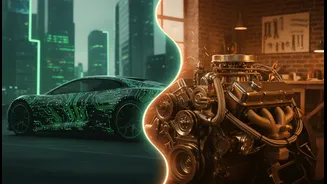
For decades, the choice for Indian car buyers has largely been between petrol and diesel. A "powertrain" is simply the collection of components that make a car move, and it's no longer just about the internal combustion engine (ICE). The new efficiency rules are designed to push automakers to embrace a wider variety of options. These include Strong Hybrids, which use both an engine and an electric motor to power the wheels; Plug-in Hybrids (PHEVs), which have larger batteries that can be charged externally for a significant electric-only range; and all-electric vehicles (EVs). Other alternatives like CNG, Flex-Fuel, and even Auto LPG are also part of this multi-energy future, giving manufacturers more tools to meet their targets.
The Automaker’s Strategic Shuffle
Under CAFE-III, a manufacturer can’t simply rely on selling a high volume of popular but less-efficient SUVs without a plan. To meet the stringent fleet average, they must balance their sales. Selling more EVs and strong hybrids, which have very low or zero emissions, helps offset the higher emissions from their traditional petrol and diesel models. This regulatory pressure forces a strategic shift. Companies that are heavily reliant on conventional engines face the biggest challenge. It incentivises them to invest in, manufacture, and actively market their more efficient models. This could mean adding hybrid options to existing popular cars or launching new EV models to earn valuable compliance credits.
What This Means for Your Next Car
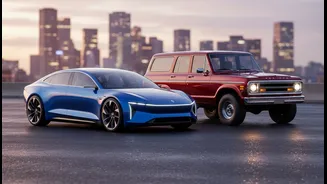
For the consumer, this regulatory push translates into one major benefit: more choice. Instead of a certain hatchback or SUV being available only with a petrol engine, you are more likely to find a strong hybrid or even a plug-in hybrid version in the showroom. This diversification is already beginning, with companies like MG introducing platforms that can support multiple powertrain types, from hybrids to full EVs. The goal of the regulations is to make cleaner technologies more mainstream, moving them from a niche offering to a standard option across various segments and price points. It also means manufacturers will be rewarded for adding smaller, fuel-saving tech like start-stop systems and regenerative braking to more models.
The Road Ahead for Buyers
The transition will bring both opportunities and considerations for car buyers. On the one hand, greater availability of hybrids and EVs could lead to significant savings on fuel costs over the lifetime of the vehicle, with one report estimating cumulative savings of ₹38,000 crore for the country between 2028 and 2032. On the other hand, the advanced technology in these vehicles often comes with a higher upfront purchase price. Automakers will have to balance the cost of compliance with the price-sensitivity of the Indian market. However, by pushing the entire industry forward, the CAFE norms aim to accelerate innovation and eventually make these cleaner, more efficient technologies more affordable for everyone.