


The Case for a Guided Session
A guided astronomy tour is like having a backstage pass to the cosmos. The biggest advantage is access to expertise and powerful equipment. Guides are often passionate astronomers who can bring the sky to life, pointing out constellations, planets, and distant
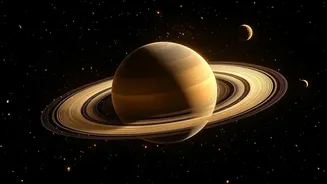
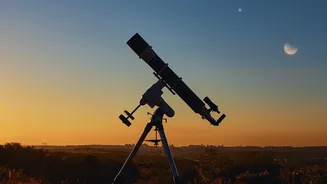
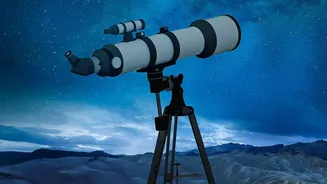
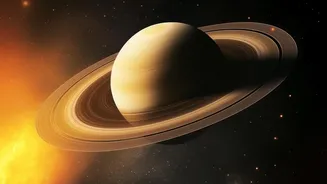
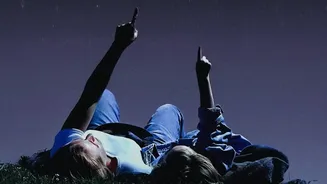
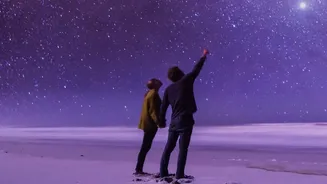
galaxies you would likely miss on your own. They use high-powered telescopes that can reveal stunning details, like the rings of Saturn or the moons of Jupiter, transforming faint smudges into structured objects. Many tours use astronomy-grade laser pointers to trace constellations, making the celestial map instantly legible. This educational component is invaluable for beginners, as guides can explain complex concepts in an accessible way, turning a simple viewing into a memorable lesson. Operators also handle the logistics, such as finding the best dark-sky locations away from city lights and ensuring you're safe and comfortable, often providing chairs, blankets, and even hot drinks.
Potential Drawbacks of a Tour
While guided tours offer a wealth of benefits, they do come with a few trade-offs. The most obvious is cost, as professional guides and high-end equipment come at a price. These sessions are also structured, running on a fixed schedule that might not align with your own. Group sizes can be large, meaning your time at the telescope eyepiece might be brief as you wait in line. This structured format offers less freedom and solitude; if your goal is quiet contemplation or astrophotography that requires long, uninterrupted camera setups, a group tour might feel restrictive. Finally, like any outdoor activity, they are dependent on the weather. While some private operators offer rescheduling flexibility, a cloudy night can lead to a cancelled event.
The Freedom of Independent Stargazing
Independent stargazing offers a completely different kind of magic: freedom. You get to choose your own adventure—when and where you go, and how long you stay. This flexibility is perfect for those who prefer solitude or want to experience the night sky on their own terms. The biggest advantage is that it’s free. All you really need to get started are your eyes, a bit of curiosity, and a dark location. You can enhance the experience with simple tools like a pair of binoculars, a star map or a smartphone app, and a comfortable chair. For many, the process of learning the constellations and discovering celestial objects on their own is a deeply rewarding hobby that fosters a personal connection to the night sky.
Challenges of Going It Alone
The freedom of solo stargazing comes with its own set of challenges, especially for beginners. Without a guide, a sky full of 7,500 visible stars can feel magnificent but completely overwhelming and illegible. Identifying constellations and deep-sky objects can be difficult, even with a star chart or app. You are also responsible for all the logistics, from finding a safe and truly dark spot to dressing appropriately for a significant temperature drop after sunset. Perhaps the biggest hurdle is equipment. While you can see a lot with the naked eye, viewing planets and galaxies in detail requires a quality telescope, which can be expensive and complicated to set up and use correctly.
How to Make Your Choice
The right choice depends on your goals, experience level, and budget. If you are a beginner, want to look through a powerful telescope, or are keen on learning as much as possible in one night, a guided tour is an excellent investment. It’s also a great option for families or those who prefer having the logistics handled for them. However, if you are on a tight budget, already have some astronomical knowledge, or simply crave the peace and solitude of being alone under the stars, independent stargazing is the way to go. It allows you to move at your own pace and savour the personal sense of discovery. For those with multiple nights to spare in a dark-sky area, a hybrid approach can be perfect: take a tour on the first night to get oriented, then use that newfound knowledge to explore on your own for the rest of your trip.