

Mount Etna, Italy: The Monitored Giant
As Europe's largest and most active volcano, Mount Etna is surprisingly accessible. Visitors can take a cable car and then a 4x4 bus to reach elevations around 2,900 meters, getting remarkably close to the summit areas. However, access is not a given;
it's a constantly managed process. Local authorities and volcanological guides enforce a tiered system: lower elevations are open for independent hiking, but ascending to the summit craters requires a certified guide and is subject to daily conditions. This approach is a prime example of flexible regulation. On days with increased explosive activity or poor weather, access to the highest altitudes is immediately restricted. This dynamic model ensures that tourism can thrive without compromising safety, allowing thousands to experience the volcano while respecting its unpredictable nature.
Kīlauea, USA: A Lesson in Real-Time Adaptation
Hawaiʻi Volcanoes National Park is open 24/7, offering incredible views of Kīlauea, one of the world's most active volcanoes. Its accessibility is its main draw, with roads leading to stunning crater overlooks. But the park is a masterclass in 'dynamic access'. Eruptive activity can start, stop, and change locations with little warning. In response, park management constantly opens and closes specific roads, trails, and viewing areas based on real-time data on lava flows and, crucially, hazardous volcanic gases like sulfur dioxide. Visitors are urged to check the park's website for daily updates before even getting in the car. This system allows the public to witness creation itself, but only within boundaries that shift daily for their own protection.
Poás Volcano, Costa Rica: The 20-Minute Window
Poás is one of Costa Rica's most popular volcanoes, largely because you can drive almost to the crater's edge. However, after a significant eruption in 2017, the park reopened with a much stricter, more flexible set of rules. Now, visits are highly structured: tickets must be bought online for a specific time slot, visitor numbers are capped, and time at the main crater overlook is limited to just 20 minutes to minimize exposure to toxic sulfur gases. Gas sensors provide live data, and if levels become dangerous, the park closes immediately. This model, while restrictive, is a necessary adaptation that allows access to a volatile area that would otherwise be permanently closed. It shows that even with significant risk, creative and flexible rules can keep a natural wonder open to the public.
Mount Fuji, Japan: Rigidity in the Face of Nature
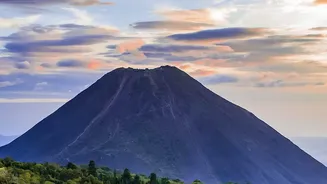
Mount Fuji stands in contrast to the dynamic models of Etna or Kīlauea. Japan's iconic peak has a very rigid and short official climbing season, typically from early July to early September. Outside this window, trails and huts are closed, and climbing is strongly discouraged. While this ensures that most people attempt the ascent in the safest possible weather, it creates immense crowding issues during the open season. The inflexibility means everyone is funnelled into the same few weeks, putting a strain on the environment and infrastructure. This highlights a different kind of challenge: when rules are too rigid, they can create secondary problems like overcrowding, which detract from the natural experience the rules were designed to protect.
Stromboli, Italy: Tiers of Access
Known as the "Lighthouse of the Mediterranean," Stromboli has been erupting almost continuously for 2,000 years. Access is strictly regulated based on a tiered altitude system that changes with volcanic activity levels. Typically, visitors can hike freely up to an elevation of 290 meters. Reaching the 400-meter viewpoint requires a certified guide. The trek to the summit, when deemed safe by authorities, is also only possible with a guide and in limited numbers. These rules are not static; if activity increases, all guided treks might be halted or limited to lower altitudes. This system provides a clear, scalable framework that allows authorities to adjust public access quickly, ensuring that both thrill-seekers and casual observers can enjoy the volcano's spectacle safely.
Mount Bromo, Indonesia: Managing Mass Tourism
Part of the Tengger massif in East Java, Mount Bromo is famous for its ethereal landscapes, often viewed at sunrise from a nearby viewpoint. Access is relatively easy via organized jeep tours that take visitors across a sea of sand to the base of the crater, from where they can walk up. The sheer volume of tourists presents the main regulatory challenge here. The focus of flexibility is less about volcanic danger (though it is an active volcano) and more about managing crowds, traffic, and environmental impact. Rules often involve rotating access points, managing the number of jeeps, and preserving sacred areas for the local Tenggerese people. Bromo demonstrates that flexibility isn't just for safety from eruptions, but also for ensuring a destination doesn't collapse under its own popularity.