


The Matcha Mystique
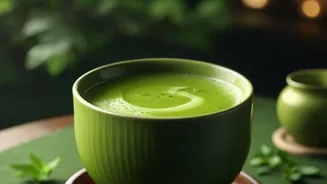
For centuries, matcha has been a cornerstone of Japanese tea ceremonies, a finely ground powder made from specially grown green tea leaves. Unlike regular green tea where leaves are steeped and discarded, with matcha, you consume the entire leaf, resulting
in a more potent concentration of nutrients, caffeine, and flavour. This delivers a distinct umami quality—a savory, brothy note—and a grassy flavor that can be challenging for newcomers. While tea connoisseurs cherish this complexity, others find the taste intense. This is where the modern café culture has stepped in to innovate, creating a bridge for the matcha-curious.
A Sweet and Colorful Invitation
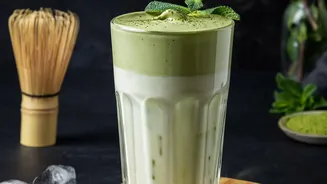
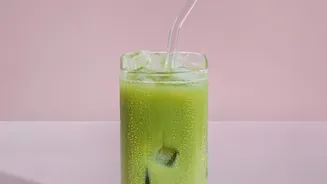
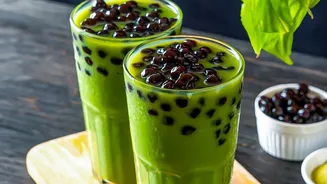
Enter the fruit-forward matcha latte, a drink that is as much a feast for the eyes as it is for the palate. Typically served iced and layered in a tall glass, these drinks feature a base of vibrant fruit purée, followed by milk, ice, and a final float of freshly whisked matcha on top. The result is a visually stunning gradient of colors—often bright pink or orange at the bottom, shifting to a creamy white middle and a rich green top. This aesthetic appeal has made the drink a viral sensation on social media platforms, where its photogenic nature has driven widespread curiosity and popularity.
Balancing Bitter with Brightness
The magic of these drinks lies in their flavour dynamics. The natural sweetness and acidity of fruits like strawberry, mango, peach, or blackberry cut through matcha's inherent bitterness, creating a more balanced and approachable taste. Strawberry matcha lattes, in particular, have become a global phenomenon, with the sweet-tart fruit purée softening the earthy green tea notes. Mango and other tropical fruits also pair beautifully, their juicy sweetness brightening matcha's deeper, more vegetal character. The choice of milk, often a creamy plant-based option like oat milk, further mellows the drink, adding to its smooth, refreshing quality.
A Modern Twist on an Ancient Ritual
This new wave of matcha drinks represents a significant cultural shift. The solemn, mindful preparation of traditional matcha is replaced by the fun, creative, and customizable nature of modern café culture. While purists might argue that adding fruit and sugar detracts from the authentic matcha experience, others see it as a welcome evolution. These drinks aren't trying to replace the ceremonial tradition; instead, they are introducing matcha to a much broader audience who might otherwise have been intimidated. By presenting it in a familiar and indulgent format, like a fruity latte, cafés are making green tea culture more inclusive and accessible.
Your Gateway to Green Tea
Think of a strawberry or mango matcha latte as a 'starter matcha'. It allows your palate to become acquainted with the unique flavour of green tea in a gentler, sweeter context. Many who start with these fruit-forward creations find themselves growing to appreciate the taste and may eventually graduate to trying a simple matcha latte or even the traditional, unadulterated tea. While these drinks often contain more sugar than a plain matcha, the tea itself still offers benefits, being rich in antioxidants. However, the primary role of these fruity versions is less about health and more about initiation—a delicious and unintimidating first step into a larger world of tea.