




The Golden Rule: Check the Soil First
The most common mistake in caring for a potted lemon tree is watering it on a strict calendar schedule. A plant's thirst changes based on its environment. Instead of watering every Wednesday, adopt the 'finger test' as your guide. Push your finger about
two inches into the soil. If it feels dry at that depth, it’s time to water. If it feels moist, wait another day or two before checking again. This simple method prevents both over- and underwatering, the two biggest threats to your plant's health.
How to Water: Deep and Infrequent
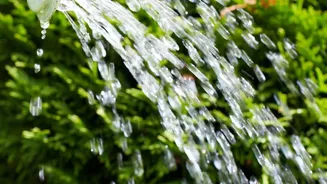
When it's time to water, do it thoroughly. The goal is to mimic a heavy downpour, not a light sprinkle. Pour water slowly and evenly over the soil surface until you see it running out of the drainage holes at the bottom of the pot. This 'drench method' ensures that the entire root ball gets hydrated. After watering, make sure to empty any excess water from the saucer beneath the pot. Letting the plant sit in standing water is a direct invitation for root rot, a condition where roots suffocate and decay due to a lack of oxygen.
Signs of Thirst: Spotting an Underwatered Plant
An underwatered lemon tree will give you clear signals. The most obvious sign is drooping or wilting leaves. The leaves may also start to curl inward. If the dryness persists, you will notice the leaves turning yellow, eventually becoming brittle and falling off the plant. The soil itself will feel hard and may pull away from the sides of the pot. These signs are your plant's cry for help. A deep watering will usually cause a quick recovery if addressed promptly.
Too Much Love: The Dangers of Overwatering
Ironically, overwatering is a more common and more dangerous problem than underwatering. The signs can be confusingly similar, often starting with yellowing leaves. However, a key difference is that with overwatering, leaves may yellow but remain soft, and the tips of branches might turn black. The soil will feel consistently soggy or waterlogged, and you might even notice a musty smell, which indicates decaying roots. Chronic overwatering suffocates the roots, preventing them from absorbing nutrients and leading to the plant's decline.
Key Factors That Influence Watering Frequency
Several factors determine how quickly your lemon tree's pot will dry out. Pots made from porous materials like terracotta allow soil to breathe and dry faster than plastic or glazed ceramic pots. A larger tree with more leaves will transpire more water and require more frequent watering than a small, young tree. The type of soil is also crucial; a well-draining citrus-specific mix is essential to prevent waterlogging. Finally, a plant in a hot, sunny, or windy location will need water much more often than one in a cooler, more humid spot.
Seasonal Adjustments for Indian Climates
Your watering routine must adapt to the seasons. During the intense heat of the Indian summer, your potted lemon tree may need watering every day, especially if it's on a sun-drenched balcony. The increased heat and light cause rapid moisture loss. Conversely, during the monsoon season, natural rainfall may be sufficient, and you should significantly reduce manual watering to avoid waterlogged soil. In the cooler, dormant winter months, the plant's water needs decrease dramatically. You might only need to water once every 10-14 days, always checking the soil first.