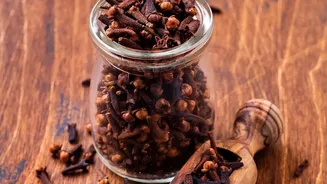








1. Perfume Your Rice and Grains
The most classic use for whole cloves in Indian cuisine is to create fragrant, layered rice dishes. Adding a few whole cloves to the pot when making vegetable biryani or pulao is a game-changer. As the rice cooks, the cloves release their essential oils,
imparting a subtle, sweet, and peppery warmth that permeates every grain. For best results, lightly fry the whole cloves along with other whole spices like cinnamon sticks and cardamom pods in ghee or oil before adding your rice and water. This small step blooms the spices, intensifying their aroma and ensuring a dish that smells as incredible as it tastes. The cloves soften during cooking and can be eaten or simply set aside.
2. Deepen Lentil and Legume Curries
Whole cloves can add a surprising depth and complexity to humble lentil (dal) and legume dishes. When preparing a tadka (tempering) for dal or a base for chana masala, adding two or three whole cloves to the hot oil along with cumin seeds and other spices creates a more robust flavour profile. The clove’s intensity is mellowed by the cooking process, blending beautifully with the earthiness of lentils and chickpeas. In a simple spiced lentil soup or stew, a few whole cloves simmered with the broth, tomatoes, and onions will lend a comforting warmth that feels both nourishing and sophisticated. It’s an easy way to elevate a simple weeknight meal into something truly special.
3. Build Aromatic Vegetable Broths
Store-bought vegetable broths can be convenient, but a homemade version is vastly superior in flavour. Adding whole cloves to your broth pot is a simple way to create a rich, aromatic base for soups, stews, and sauces. When simmering your vegetable scraps—like onion peels, carrot ends, and celery tops—toss in four to five whole cloves along with a bay leaf and some peppercorns. The cloves contribute a warm, spicy note that complements the sweetness of root vegetables like carrots and parsnips. Let the broth simmer for several hours to allow the flavours to fully meld. Strain everything out before using. This clove-infused liquid gold will give your vegetarian cooking a professional-level depth of flavour.
4. Spice Up Pickles and Chutneys
The preserving power and potent flavour of cloves make them a natural addition to pickling brines and fruit chutneys. When making quick refrigerator pickles with vegetables like cucumbers, carrots, or red onions, adding a few whole cloves to the pickling liquid along with mustard seeds and peppercorns adds a layer of warm spice to the tangy brine. The cloves infuse the vegetables with a subtle, festive flavour that develops over a few days in the fridge. Similarly, in a sweet and sour apple or tomato chutney, whole cloves provide a beautiful counterbalance to the sweetness of the fruit and the sharpness of the vinegar, creating a more complex and satisfying condiment.
5. Brew Warming, Spiced Beverages
Beyond food, whole cloves are fantastic for creating cozy, aromatic drinks. The simplest method is to create a basic clove tea by simmering a few whole cloves in hot water for about 10 minutes. For a more complex flavour, you can create your own masala chai blend by simmering whole cloves with cinnamon sticks, cracked cardamom pods, and fresh ginger before adding black tea and milk. During colder months, whole cloves can be used to mull apple juice or cranberry juice for a non-alcoholic, family-friendly warm beverage. Just simmer the juice gently with a handful of cloves, a cinnamon stick, and a slice of orange for a drink that fills the house with a wonderfully comforting aroma.