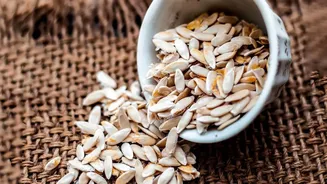









What Is Seed Cycling?
Seed cycling is a dietary practice that involves eating specific seeds during the two main phases of the menstrual cycle to theoretically support hormonal balance. The protocol is straightforward: during the first half of the cycle, the follicular phase (days
1-14), followers consume about a tablespoon each of raw, ground flax and pumpkin seeds daily. The theory is that the phytoestrogens in flax seeds can help modulate estrogen levels. During the second half, the luteal phase (days 15-28), the regimen switches to sunflower and sesame seeds, which are thought to support progesterone production. For those with irregular or absent periods, the practice is often synched with the phases of the moon as a guideline. The appeal lies in its simplicity and natural approach to managing complex hormonal symptoms.
The Alluring Promise of Hormonal Harmony
Advocates for seed cycling claim it can deliver a wide range of benefits. These include regulating irregular menstrual cycles, reducing PMS symptoms like bloating and mood swings, easing cramps, and even improving fertility. For women suffering from conditions like Polycystic Ovary Syndrome (PCOS) or endometriosis, the idea of a gentle, food-based solution is incredibly attractive. The trend taps into a growing desire for natural remedies and a sense of personal control over one's health, particularly when conventional medical treatments can feel invasive or come with side effects. The narrative is powerful: a simple, daily ritual using affordable ingredients from your kitchen to restore your body’s natural rhythm.
Science vs. Social Media
While the theory is neat, the scientific evidence supporting seed cycling as a specific practice is limited and largely anecdotal. Most experts agree that while the individual seeds are highly nutritious, there are no robust, large-scale clinical trials that prove the cycling aspect effectively balances hormones. A 2025 systematic review noted that while some small studies showed promise for improving menstrual regularity and metabolic markers in women with PCOS, it called for larger, more rigorous trials. The nutrients in the seeds—lignans in flax and sesame, zinc in pumpkin seeds, and vitamin E and selenium in sunflower seeds—are indeed beneficial for overall health and have roles in hormonal pathways. However, whether consuming them in a rigid, two-phase cycle offers benefits beyond simply including these healthy fats and minerals in your regular diet remains unproven. Many gynecologists view it as a harmless nutritional boost, but not a standalone treatment.
The Real Risk: Delaying Diagnosis
The primary danger of seed cycling isn't in the seeds themselves, which are generally safe and healthy for most people. The risk lies in using it as a substitute for professional medical care. Hormonal symptoms like irregular periods, severe acne, excessive hair growth, or persistent pelvic pain are not just inconveniences; they can be signs of serious underlying medical conditions. These include PCOS, thyroid disorders, endometriosis, high prolactin levels, or in rare cases, even certain types of cancer. Relying solely on a wellness trend like seed cycling could lead to a significant delay in getting an accurate diagnosis and effective, evidence-based treatment. This delay can allow a manageable condition to become more severe, potentially impacting long-term health and fertility.
A Safe and Sensible Approach
The most responsible way to approach seed cycling is to view it as a supportive nutritional strategy, not a medical intervention. The seeds involved are rich in fibre, healthy fats, and essential minerals that can be a valuable addition to any balanced diet. If you find the ritual helpful and enjoy it, there is likely no harm in continuing, provided you have already consulted a doctor. The key is to make seed cycling a partner to medical advice, not a replacement for it. If you are experiencing persistent or severe hormonal symptoms, the first and most crucial step is to speak with a gynecologist or endocrinologist. They can perform the necessary tests to identify the root cause of your issues and develop a treatment plan that is proven to be safe and effective for your specific needs.