





From Coffee Stop to All-Day Destination
Not long ago, the quintessential Indian cafe experience was defined by standardized chain outlets offering a predictable menu. Today, that model is giving way to a more fluid and multifaceted concept. Cafes are increasingly designed as 'third places'—a
social environment separate from home and the office where people can relax and connect. This evolution is driven by changing urban lifestyles and consumer demands. Many establishments now transition seamlessly from a morning coffee spot to a bustling brunch location and, by evening, a relaxed bar. This hybrid model reflects a shift in social habits, where patrons might come for a meeting at noon and stay for drinks with friends at 7 pm, all within the same versatile space.
The New Unofficial Co-Working Space
The rise of remote work and the gig economy has cemented the cafe's role as an informal workspace. For freelancers, students, and hybrid workers in cities like Bengaluru, Pune, and Mumbai, cafes offer a welcome escape from the isolation or distractions of home. They provide a structured environment without the formality of a traditional office or the commitment of a co-working subscription. Recognizing this trend, many cafes are now designed with the remote worker in mind, offering abundant power outlets, reliable Wi-Fi, and comfortable seating arrangements that accommodate longer stays. This symbiotic relationship benefits both sides: professionals get a productive space, and cafes build a loyal customer base that provides steady business throughout the day.
A Taste for the Artisanal and Authentic
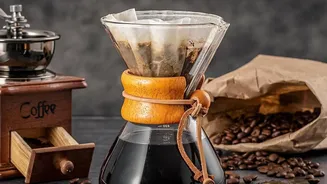
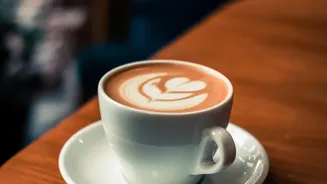
A significant driver of this new culture is the growing appreciation for specialty and artisanal products. The Indian specialty coffee market is experiencing impressive growth, with projections showing its value will increase significantly by 2031. Consumers are moving beyond generic cappuccinos and embracing single-origin beans, complex flavour profiles, and manual brewing methods like V60 drippers. This 'third wave' coffee movement prioritizes quality and transparency, educating consumers about where their coffee comes from. Beyond coffee, menus are also evolving to feature healthier, locally sourced ingredients, and even niche specializations like sourdough baking or in-house fermentation, catering to a more discerning and health-conscious palate.
Brewing Community and Culture
Modern cafes are increasingly positioning themselves as community hubs that foster connection and creativity. Instead of being passive retail spaces, they are becoming active cultural participants. Many host events like open mic nights, book swaps, art exhibitions, and workshops on everything from pottery to upcycling. These activities provide a platform for local artists and creators while building a sense of belonging among patrons. In cities like Pune and Kolkata, specific cafes have become known as safe, inclusive sanctuaries for various communities, including queer-friendly spaces that offer more than just coffee but a sense of psychological safety and acceptance. This focus on community transforms a simple cafe into a vital part of a neighbourhood's social fabric.