





1. Amla (Indian Gooseberry)
Amla rightfully earns its place at the top of any monsoon wellness list. It is one of the richest natural sources of Vitamin C, a powerful antioxidant essential for a strong immune system. This nutrient helps the body produce white blood cells that fight
off the common colds, flu, and other infections prevalent during the rainy season. Beyond immunity, amla's high fibre content supports digestion, which can become sluggish in the humid weather, and its antioxidants help maintain clear, healthy skin by combating issues like acne that can flare up during this time.
2. Turmeric (Haldi)
This golden spice, a cornerstone of Indian cooking, is a potent immunity booster. Turmeric contains curcumin, a compound with strong anti-inflammatory and antioxidant properties. Including turmeric in your daily meals—whether in dals, vegetables, or warm milk—can help your body fight inflammation and protect against seasonal illnesses. It supports a balanced immune response, making your body's defences more efficient against the viral and bacterial threats that are common during the monsoon.
3. Ginger (Adrak)
Ginger is another kitchen staple with powerful health benefits perfect for the rainy season. Its anti-inflammatory and antimicrobial properties can help fight infections and soothe a sore throat. A warm cup of ginger tea is not just comforting on a cool, rainy day; it also aids digestion and helps reduce the bloating and indigestion that many experience during this season. Ginger’s ability to provide warmth makes it an excellent addition to soups and curries.
4. Garlic (Lehsun)
Known for its distinct flavour, garlic also possesses impressive antiviral and antibacterial properties. Incorporating garlic into your cooking can help protect your body from common infections. It supports overall immune health and is a simple, effective way to fortify your meals against seasonal germs. For best results, use freshly chopped or crushed garlic in your dishes to maximize its health-promoting compounds.
5. Probiotics (Yoghurt/Curd)
Gut health is intrinsically linked to immunity, and the monsoon can be a challenging time for digestion. Including probiotic-rich foods like fresh, homemade curd (yoghurt) in your diet is highly beneficial. Probiotics are good bacteria that help maintain a healthy balance in your gut, improving digestion and strengthening your body’s ability to fight off pathogens. Enjoy it plain, as raita, or in buttermilk (lassi) but ensure it's fresh and avoid it at night if you are prone to colds.
6. Seasonal Fruits (Jamun, Pears, Pomegranates)
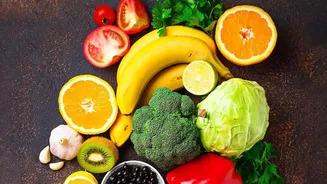
While it's wise to be cautious with pre-cut fruits, seasonal offerings are packed with essential vitamins and antioxidants. Jamun (black plum), pears, plums, and pomegranates are excellent choices for the monsoon. These fruits provide a wealth of nutrients that support overall health and immunity. It's best to consume whole fruits rather than juices to get the added benefit of dietary fibre, which aids digestion. Always wash them thoroughly before eating.
7. Bitter Vegetables (Karela, Methi)
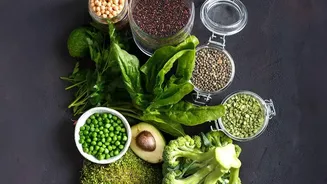
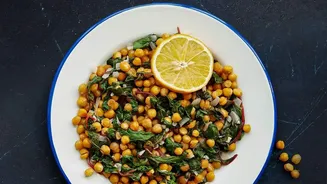
Bitter is better, especially during the monsoon. Vegetables like bitter gourd (karela) and fenugreek (methi) have traditionally been recommended for their medicinal properties. Bitter gourd, for example, has antiviral and antibacterial capabilities that can help cleanse the system. These vegetables are packed with essential vitamins and antioxidants that improve digestion and help the body get rid of harmful gut bacteria that can enter through contaminated food or water.
8. Nuts and Seeds
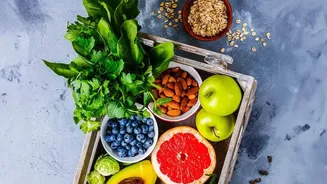
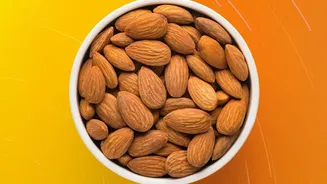
A handful of nuts and seeds can provide a powerful nutritional punch. Almonds, walnuts, and pumpkin seeds are rich in vitamins, minerals, and healthy fats that support immune function. Pumpkin seeds are a great source of zinc, a mineral crucial for producing and activating the body's defence cells. Walnuts provide omega-3 fatty acids, which help manage inflammation. They make for a healthy, filling snack, reducing the temptation to reach for fried and unhealthy street food.